 My Roofing Tech
Section 179 Expensing and Commercial Roofing: What Property Managers Need to Know
Quick Answers for Property & Facility Managers
How does Section 179 expensing affect the cost of my commercial roofing projects?
Section 179 lets roofing firms immediately deduct the full cost of qualifying equipment and technology instead of depreciating it over many years.[2][8] When contractors have this tax benefit, their after‑tax cost of capital is lower, helping them hold down bid prices and invest in safer, more efficient commercial roofing operations.
Why is NRCA urging Congress to preserve enhanced Section 179 expensing?
NRCA notes that enhanced Section 179 expensing, including higher caps for nonresidential property such as roofs, was a key win under prior tax law.[7] Proposed rollbacks would raise after‑tax costs for roofing equipment and technology, so NRCA is mobilizing members to press Congress to maintain these provisions that support investment and capacity in commercial roofing.
As a property or facility manager, why should I care about federal changes to Section 179?
If Section 179 limits are reduced, roofing contractors and distributors may face higher effective costs for equipment, vehicles, and software.[2][3] That can translate into higher bids, less modernization, and longer schedules on your TPO, PVC, EPDM, metal, or roof coating projects, especially for large portfolios and capital renewal programs.
Section 179 Expensing and Commercial Roofing: Why This Policy Matters to Your Buildings
The National Roofing Contractors Association (NRCA) is urging Congress to preserve enhanced Section 179 expensing, a federal tax provision that allows roofing businesses to deduct the full purchase price of qualifying equipment and software in the year it is placed in service.[2][8] While this may sound like a contractor issue, it directly affects how quickly and affordably capital projects are delivered on your commercial roofs.
For property managers, facility leaders, and building owners overseeing TPO, PVC, EPDM, modified bitumen, BUR, metal, and coating systems, understanding Section 179 helps you anticipate market pricing, contractor capacity, and the level of technology and safety your roofing partners can deploy.
What Section 179 Expensing Does for Roofing Contractors and Distributors
Section 179 of the Internal Revenue Code allows businesses to immediately expense the cost of qualifying equipment, software, and certain improvements instead of spreading deductions over many years through standard depreciation.[2][8] That accelerates tax benefits and reduces taxable income in the year of purchase.
Key points for the commercial roofing sector include:
- Full write-off of qualifying assets: Roofing firms can deduct the entire cost of eligible equipment and technology in the year it is placed in service, subject to annual limits and business income thresholds.[2][3]
- High deduction caps: Recent law enhancements increased Section 179 caps to the multimillion-dollar range for qualifying property.[1][3][7] NRCA notes that these enhanced caps specifically benefited nonresidential property, including roofs.[7]
- Qualifying property types: Section 179 can apply to equipment and machinery, computers, off‑the‑shelf software, office furniture and equipment, and certain improvements to business property.[3] In roofing, this often means tear‑off and hoisting equipment, safety systems, fleet vehicles (subject to separate limits), drones, estimating and CAD software, and warehouse handling equipment.
- Business use requirement: Property must be used predominantly for business (more than 50% use) to qualify.[2][3] This fits typical commercial roofing assets, which are used almost exclusively on job sites and in logistics operations.
For roofing contractors and distributors, these provisions lower the after‑tax cost of capital investments. In practice, that makes it easier to purchase safer fall‑protection systems, more efficient tear‑off machines, better moisture‑scan technology, and project management software—all of which affect the quality and reliability of work performed on your buildings.
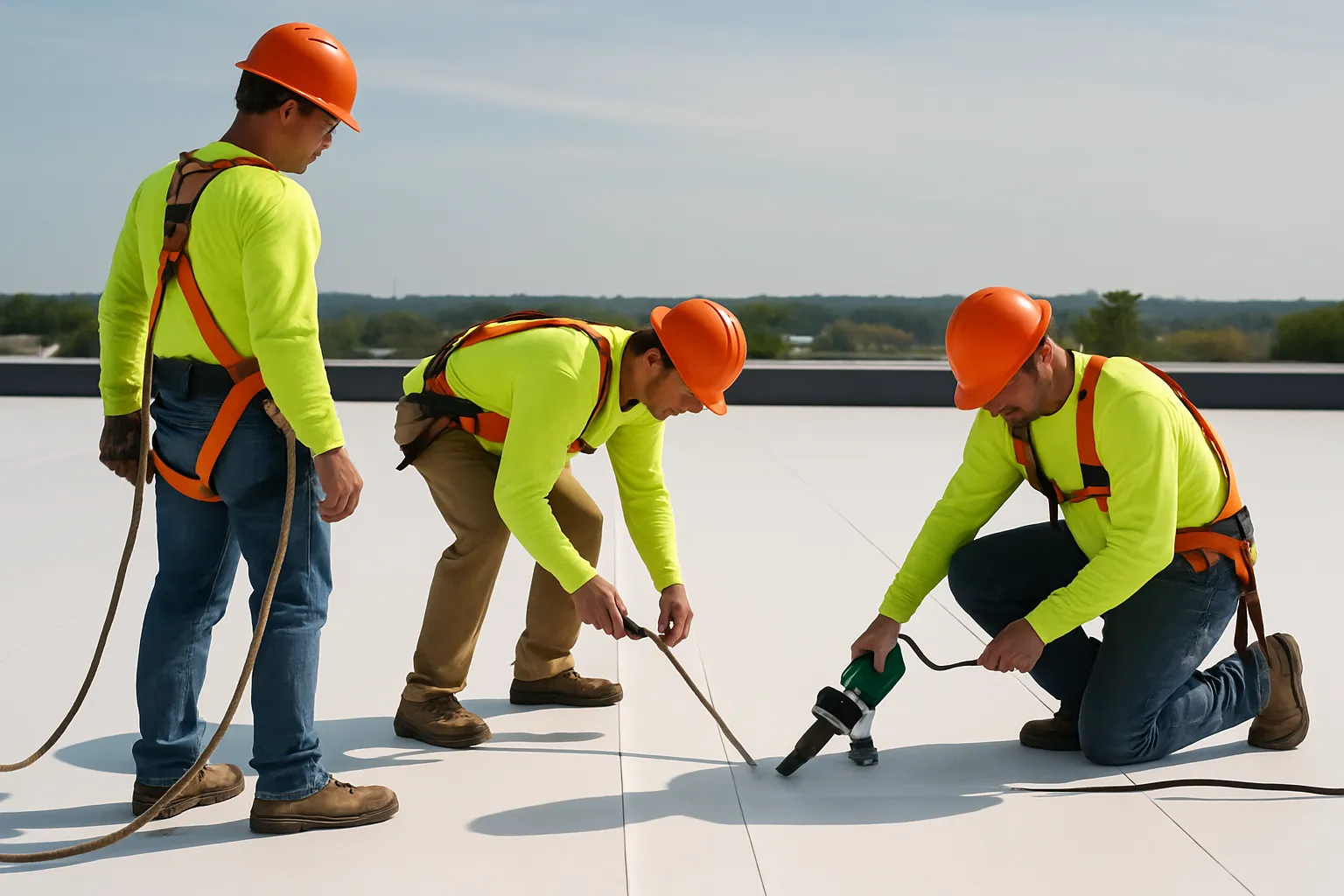
NRCA’s Advocacy: Preserving Enhanced Section 179 for Nonresidential Roofing
NRCA lists the enhancement of the Section 179 expensing cap to higher levels for nonresidential property, including roofs, as a major advocacy accomplishment tied to the Tax Cuts and Jobs Act.[7] Those enhancements expanded how much qualifying property roofing businesses could expense annually, supporting larger-scale investment.
NRCA is now warning that proposed federal changes could roll back elements of this enhanced expensing, which would:
- Increase the after‑tax cost of equipment, technology, and facility improvements used in commercial roofing operations.
- Make large capital purchases more difficult for small and midsize roofing firms that already operate on tight margins.
- Potentially slow adoption of advanced safety and diagnostic tools that help protect your tenants and assets.
To counter this, NRCA is mobilizing members for targeted outreach to Congress, emphasizing that Section 179 is not a niche tax perk but a practical tool for maintaining a robust, modern commercial roofing industry.
How Section 179 Influences Your Capital Roof Programs and Project Costs
From a property management standpoint, tax treatment for contractors may seem remote, but Section 179 materially shapes the market you buy services from. When expensing limits are high and stable:
- Contractor capacity improves: Firms can invest in crews, safety systems, and logistics needed to handle large portfolios, multi‑building campuses, and time‑sensitive reroofing before seasonal weather shifts.
- Pricing pressure is contained: Lower after‑tax capital costs help roofing companies avoid passing as many equipment and technology expenses through to owners in the form of higher bid numbers.
- Schedule reliability increases: Modern equipment and fleet investments reduce downtime and delays, critical when coordinating tenant moves, crane permits, and inspections under the International Building Code (IBC) roofing provisions.
- Quality and compliance strengthen: With better access to testing equipment and design tools aligned with FM Global approvals, ASTM roofing standards, wind‑uplift requirements, and state energy codes (such as Title 24 for cool roofs), contractors can more consistently meet warranty and code requirements.
If enhanced Section 179 expensing is reduced, many roofing businesses—particularly regional contractors serving office, industrial, warehouse, healthcare, and multifamily properties—may slow or scale back investments. Over time, that can translate into higher unit pricing, less competition in complex project types, and fewer firms with deep expertise in IBC, insurance, and warranty documentation.
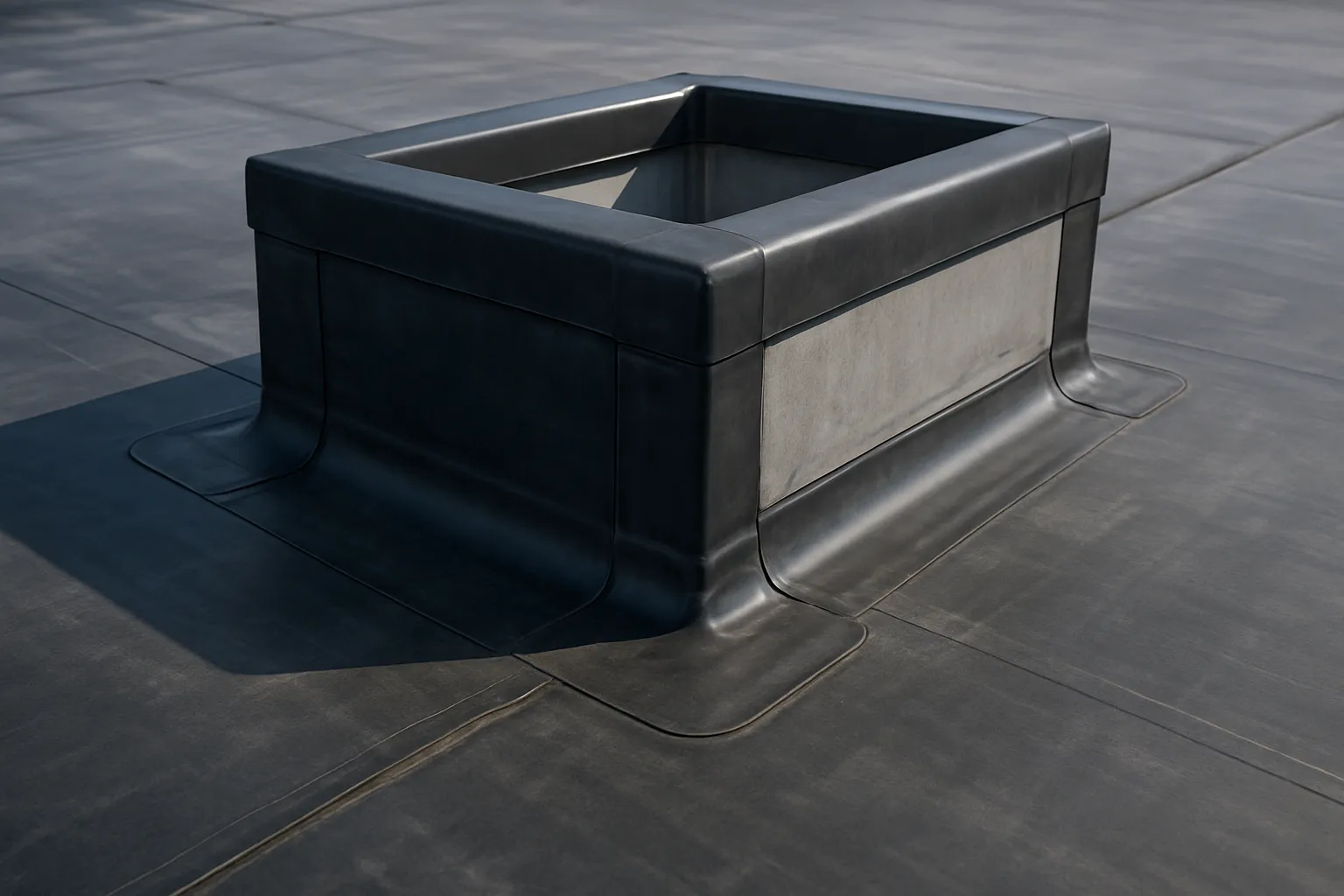
Connections to Codes, Risk Engineering, and Manufacturer Warranties
Commercial roofing projects must navigate a dense framework of standards and stakeholders: IBC structural and roofing provisions, FM Global wind‑uplift and fire testing, ASTM material standards, and energy‑code requirements for reflectivity and insulation, including cool‑roof provisions in regions like California’s Title 24.
Section 179 expensing indirectly supports compliance with these requirements by making it economically easier for roofing firms to:
- Acquire high‑quality testing and diagnostic tools that verify insulation R‑values, membrane conditions, and attachment adequacy to meet IBC and FM Global criteria.
- Invest in software that tracks manufacturer warranty terms and installation details for TPO, PVC, EPDM, modified bitumen, and metal systems, reducing the risk of voided warranties.
- Use advanced design platforms to model wind‑uplift resistance, drainage layouts that minimize ponding water, and phased work sequences that maintain temporary weather protection in line with code and insurer expectations.
Manufacturer warranties on major commercial roof systems increasingly assume that installers follow specified details, fastener patterns, and substrate preparation steps. When contractors can purchase the right tools and training, they are better positioned to deliver warrantable assemblies that protect your long‑term asset value.
Practical Actions for Building Owners and Facility Managers
While you do not claim Section 179 for a contractor’s equipment, you can incorporate awareness of this policy into your capital planning and procurement processes. Practical steps include:
- Ask about your contractor’s investment profile: During qualifications and RFPs, ask roofing firms how they leverage Section 179 and other incentives to invest in safety, technology, and equipment that support large or complex commercial projects.
- Consider timing of large projects: Because Section 179 applies when property is placed in service during a tax year,[2][3] contractors may prefer certain timeframes for significant equipment mobilizations. Aligning roof replacement schedules with their capacity planning can yield better pricing and manpower availability.
- Evaluate long‑term portfolio impacts: If federal policy reduces Section 179 benefits, factor potential upward pressure on project costs into multi‑year roof asset management plans, including reserves for lifecycle replacements of TPO, PVC, EPDM, modified bitumen, BUR, and metal systems.
- Coordinate with your own tax and accounting team: Section 179 can also apply to certain improvements you place in service directly, depending on ownership and tax structure.[3][8] Your advisors can assess whether roof‑related building improvements qualify and how they interact with bonus depreciation and other incentives.[5]
- Support industry advocacy where appropriate: Engaging with NRCA‑member contractors, local BOMA or IFMA chapters, and industry coalitions can help amplify the message that preserving Section 179 supports safe, code‑compliant roofing on essential commercial infrastructure.

Looking Ahead: Monitoring Policy Changes and Protecting Your Roofing Assets
Section 179 limits are periodically adjusted and can change through new legislation.[1][2][3] Specialized tax guidance for 2025 and 2026 already highlights updated deduction caps and phase‑out thresholds for qualifying property.[1][2][3] NRCA’s current advocacy signals that further changes are under discussion and that the roofing industry’s ability to expense critical investments is not guaranteed.
For owners and facility managers, monitoring these developments is part of strategic asset stewardship. When tax policy supports strong capital investment by roofing firms, you are more likely to see:
- Better-equipped contractors who can manage large campuses under tight occupancy constraints.
- Improved compliance with IBC, FM Global, ASTM, and energy codes without excessive cost escalation.
- More reliable execution of warranty‑compliant installations on complex commercial roof systems.
Conversely, if Section 179 benefits are scaled back, you may need to plan for higher construction costs, greater scrutiny of contractor qualifications, and more deliberate phasing of large roof replacements and recover projects.
In summary, NRCA’s push to preserve enhanced Section 179 expensing is ultimately about maintaining a resilient, well‑capitalized commercial roofing sector. As the steward of your buildings’ roof assets, understanding this link between tax policy and field capabilities can help you make more informed decisions about timing, budgeting, and contractor selection for critical roofing work.
Frequently Asked Questions
Can Section 179 expensing directly apply to roof improvements on my commercial buildings?
Section 179 primarily targets qualifying equipment, software, and certain real property improvements.[3][8] Depending on ownership structure and IRS rules in a given year, some building improvements may qualify. Owners should consult tax advisors on whether specific roof-related upgrades meet Section 179 and bonus depreciation criteria, and how those interact with long-term capital plans.[5]
Does preserving Section 179 lower my total cost of ownership for TPO, PVC, or EPDM roof systems?
Indirectly, yes. When roofing contractors can expense major equipment purchases under Section 179, their after-tax capital costs decrease.[2][3] That supports competitive pricing, safer installations, and better technology for leak detection and quality control, which helps maintain warranties and reduces lifecycle risk for membrane roof systems on commercial properties.[7]
How do tax incentives like Section 179 interact with FM Global and code compliance on my roofs?
Tax incentives do not change FM Global, IBC, ASTM, or energy-code requirements. However, they can make it easier for roofing firms to buy tools and software needed to model wind uplift, design drainage, verify R-values, and document installations to manufacturer and insurer standards. That improves compliance and reduces risk of loss or warranty disputes.
Should I adjust my capital roofing budget if Congress reduces Section 179 limits?
If Section 179 limits are reduced, roofing contractors may face higher effective costs for equipment and technology, which can eventually feed into project pricing.[2][3] For multi-year roof renewal plans, it is prudent to review cost assumptions, consider early execution of critical projects, and discuss market impacts with preferred contractors and your financial advisors.
Is Section 179 more important for small or large roofing firms working on my buildings?
Section 179 is valuable to both, but the impact is often most significant for small and midsize firms that rely on immediate expensing to finance equipment and technology.[2][3] Those firms frequently handle regional portfolios and specialized commercial projects, so preserving enhanced expensing supports a healthy, competitive contractor base for your properties.
Related Reading on My Roofing Tech
Find a Qualified Commercial Roofing Contractor
Need help acting on this? Browse roofing contractors in your area, or explore commercial roofing services like preventative maintenance, inspections, and emergency response. Are you a contractor? List your business on My Roofing Tech to reach property and facility managers actively searching for help.
Sources
Originally sourced from NRCA Roofing News