 My Roofing Tech
Commercial Roofing Lawsuit Highlights Insurance Risk for Property Managers
Quick Answers for Property & Facility Managers
How can a commercial roof insurance dispute turn into a legal and financial risk for building owners and managers?
In the NRCA-reported case, a church’s dispute with its insurer over about $1.1 million in roof claim payments and code-coverage led to litigation that became a counterclaim against the contractor, with a potential judgment exceeding $2 million. Poor documentation, scope changes, and code disputes can pull owners and managers into similar risk.
What should property managers require from roofing contractors to reduce insurance and litigation risk?
Require written scopes aligned with insurer approvals, clear change-order processes, and proof of compliance with IBC roofing provisions, FM Global recommendations, and relevant ASTM standards. Ensure contracts address code-upgrade coverage, documentation, and dispute resolution so claim disagreements are less likely to escalate into costly litigation.
Does building code compliance affect how insurers handle commercial roof claims?
Yes. Insurers often distinguish between basic repair/replacement and costs required solely for code compliance. If code-upgrade coverage, such as for IBC, energy or cool-roof requirements, is not clearly addressed in the policy and project scope, disputes can arise over what is covered, increasing the risk of litigation for all parties.
Commercial roofing lawsuit turns into counterclaim: why this NRCA story matters
The NRCA recently reported a case where a lawsuit against an insurer over a roof claim became a significant counterclaim against the roofing contractor, underscoring the legal and insurance-risk pressures facing the commercial roofing market.[1][9] A church pursued litigation against its insurer, Church Mutual Insurance Company, after a claim dispute exceeding $1 million involving roof-related damage and code requirements coverage.[1] During the dispute, the insurer had already paid about $1.1 million on the claim before refusing to pay additional amounts tied to code requirements.[1] The matter escalated to trial, where the jury ultimately issued a verdict that not only awarded damages to the church but also imposed substantial liability on the roofing contractor, Skyyguard Corp.[1]
According to the report, the jury awarded $115,000 to the church, $282,000 to the insurer for fraud, and $823,000 in punitive damages, along with an order requiring repayment of the $1.1 million previously paid by the insurer.[1] This means the total judgment could exceed $2 million, creating severe financial exposure for the contractor and deepening the overall risk landscape for everyone involved in commercial roofing projects.[1] Skyyguard reportedly plans to appeal, but the case already serves as a cautionary example for building owners, property managers, and facility managers who rely on insurance to manage roofing losses and code-driven upgrades.[1][9]
For commercial stakeholders, the core takeaway is that roof claims are no longer just technical or administrative issues; they can transform into complex litigation involving allegations of fraud, misrepresentation, and non-compliance. As insurance markets tighten and courts scrutinize roofing contracts, documentation, and claim behavior, the risk that a straightforward claim could evolve into multi-party litigation is growing.
Understanding where roofing claims go wrong: scope, code coverage, and documentation
To understand how a claim dispute reached this level, it helps to examine the pressure points common in commercial roofing insurance claims. In many cases, disagreements arise over:
- Scope of work for the roof – Whether the loss involves partial repair, full replacement, or additional work to meet current building codes.
- Code-upgrade coverage – How much of the work required to comply with modern codes and standards is actually covered by the policy.
- Documentation and communication – Whether the contractor, owner, and insurer have consistent, verifiable records of damage assessments, proposals, approvals, and change orders.
The NRCA-covered case highlights these fault lines. The insurer initially paid approximately $1.1 million before refusing to pay code requirements coverage, a common area of dispute when building codes have changed since the roof was originally installed.[1] Many commercial policies include specific endorsements for ordinance or law coverage, which address increased costs to comply with code when rebuilding or repairing a damaged structure. When expectations between insurer, contractor, and owner are not aligned, disagreements about what is covered can escalate quickly.
For building owners and facility managers, the lesson is that roof projects touching insurance, especially on complex commercial buildings, must be tightly aligned with policy language and code requirements from the outset. Key references include the International Building Code (IBC) roofing provisions, which govern structural loads, fire resistance, wind uplift, and roof coverings on commercial structures, and ASTM standards that define performance and testing requirements for systems like TPO, PVC, EPDM, modified bitumen, and built-up roofing. FM Global’s property loss-prevention recommendations also influence many insurers’ expectations for roof design and installation, particularly for industrial and warehouse facilities.
When a claim is filed after wind, hail, fire, or water damage, differences in interpretation of these requirements can become flashpoints. If the contractor’s proposed solution goes beyond what the insurer believes is covered, or if documentation is incomplete or inconsistent, disputes can arise over whether work was necessary, properly represented, or adequately supported.
Implications for common commercial roof systems and building types
Commercial roofing risk is not confined to one roof type or occupancy. The systems and buildings most frequently involved in insured claims include:
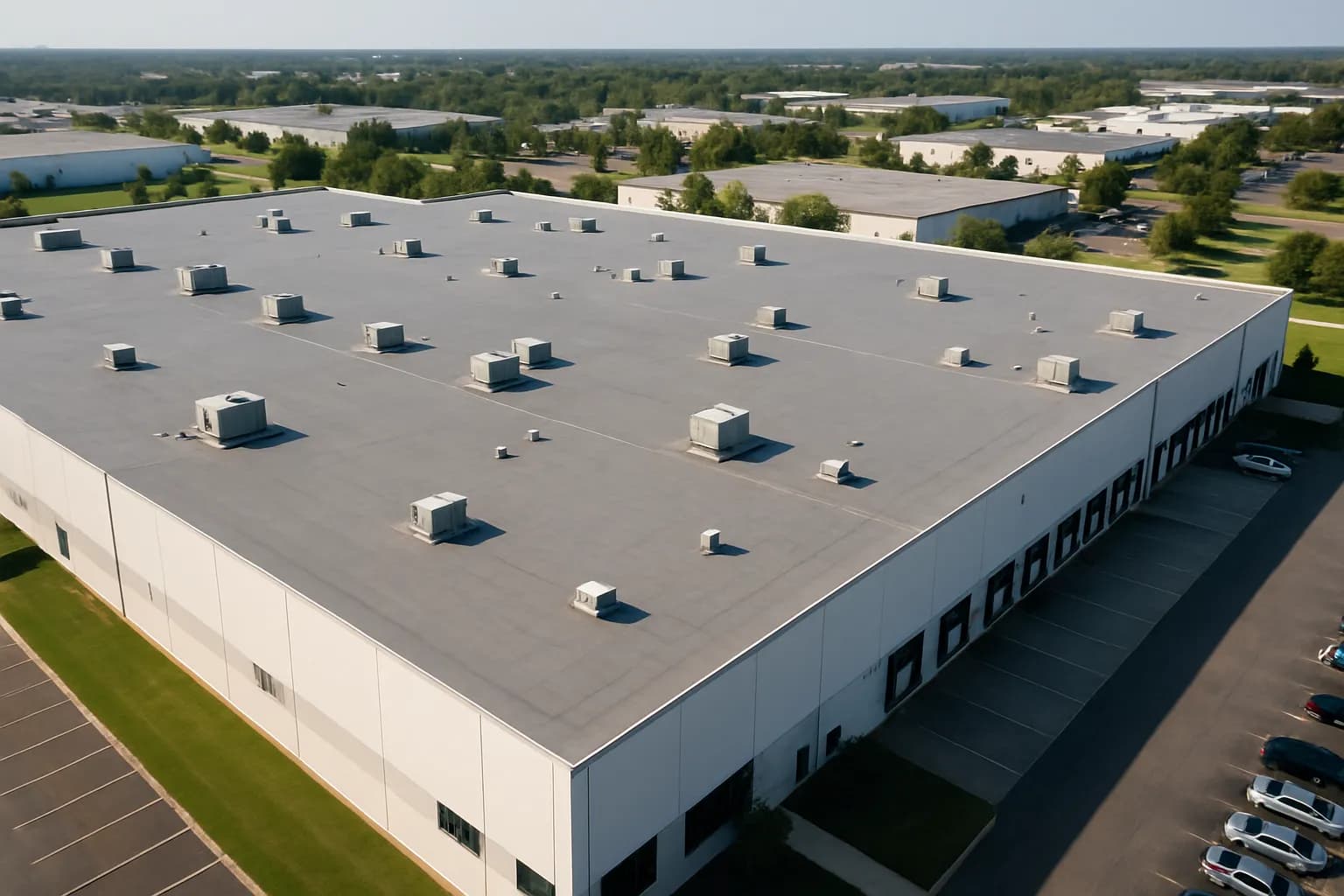
- TPO, PVC, and EPDM single-ply membranes on office complexes, retail centers, medical facilities, and multifamily buildings with low-slope roofs.
- Modified bitumen and built-up roofing (BUR) on older institutional buildings, schools, and government facilities where code upgrades and energy performance requirements have evolved over time.
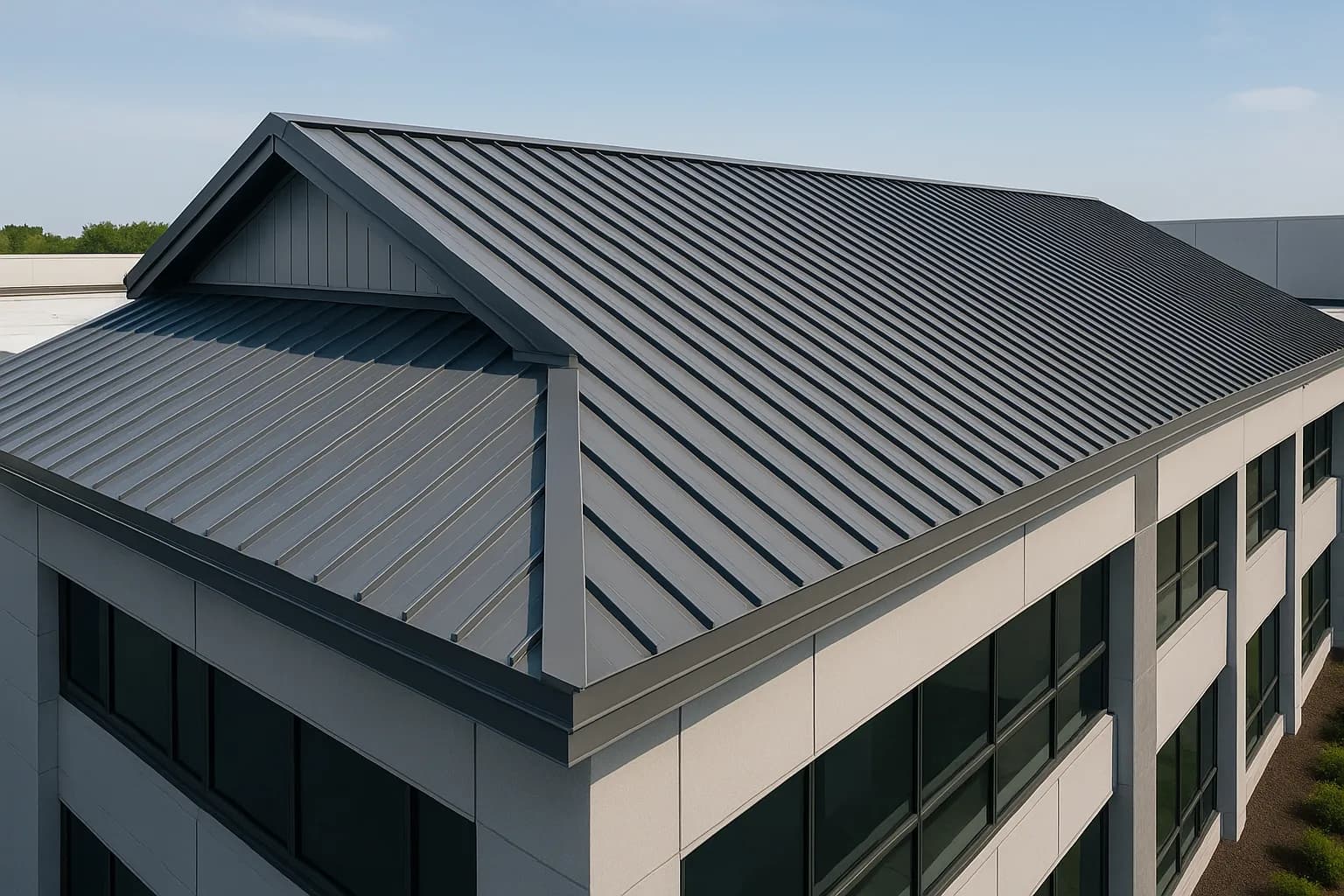
- Metal roof systems on industrial buildings and warehouses, often subject to stringent wind-uplift and water-intrusion performance expectations.
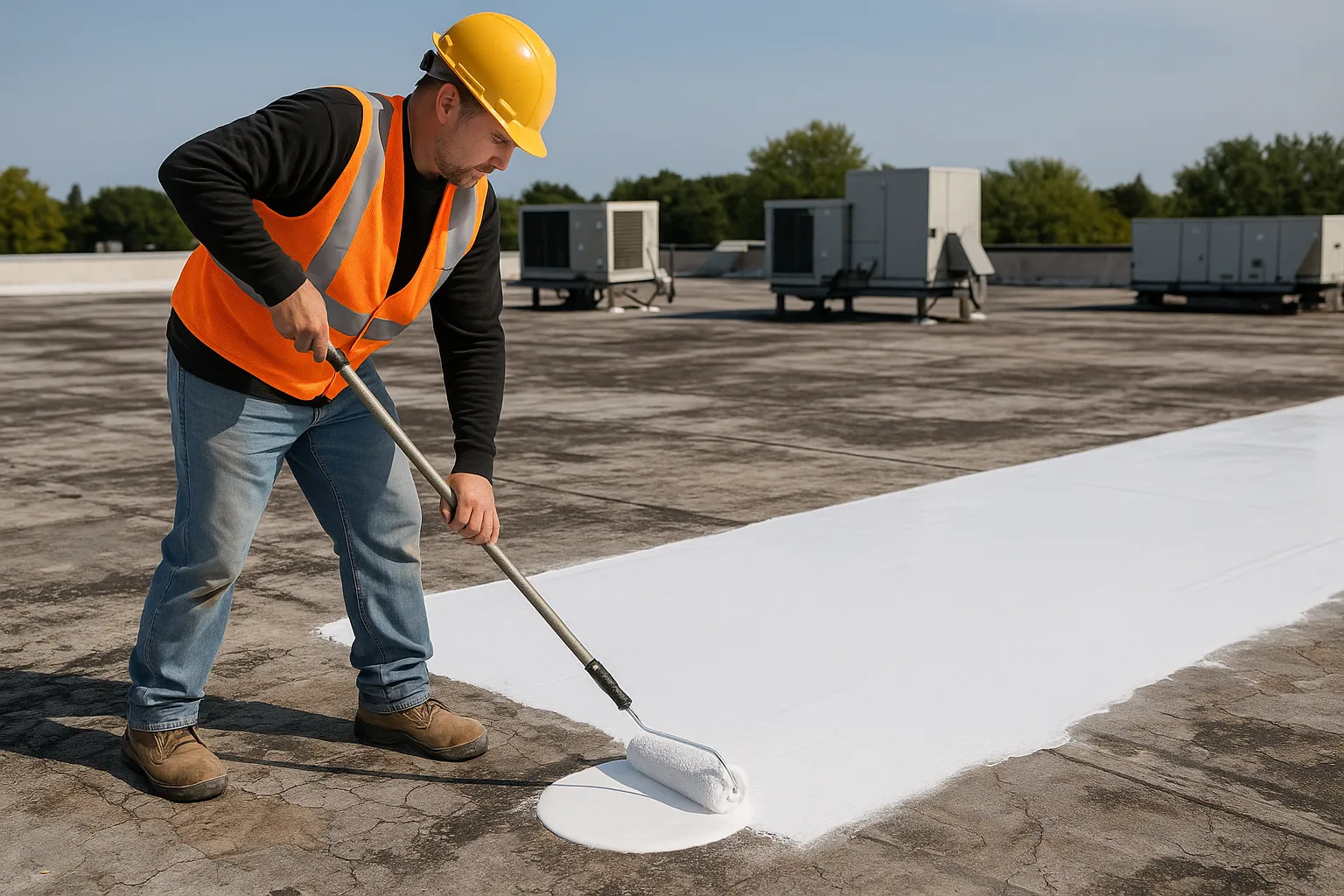
- Elastomeric and cool-roof coatings used to extend roof life or meet energy codes and programs such as Title 24 or other regional cool-roof requirements.
In each case, insurance adjusters must evaluate whether damage is covered, distinguish between pre-existing conditions and storm-related losses, and determine whether replacement must meet current code. For older roofs, this can mean significant added costs to comply with updated wind-uplift standards, fire ratings, or energy-code requirements. If ordinance or law coverage is limited or absent, insurers may resist paying for these upgrades, as occurred when the insurer in the NRCA report refused to pay code requirements coverage.[1]
For property managers overseeing portfolios of office, retail, industrial, or institutional buildings, this creates a substantial planning challenge. Roofs approaching the end of their service life may be more difficult to adjust and insure at full replacement value, and insurers may be particularly cautious about claims that appear to expand the scope beyond straightforward damage repair.
Risk management steps for building owners and facility managers
To reduce the likelihood that a roofing claim becomes a legal dispute or counterclaim, owners and managers can take a more structured risk management approach long before a loss occurs:
- Align policies with roof realities
Work with brokers and risk managers to make sure property policies appropriately reflect roof condition, system type, and replacement cost. Verify limits and endorsements for ordinance or law coverage, including code upgrades, partial demolition, and increased construction cost. - Pre-loss roof assessments
Conduct regular roof condition assessments across your portfolio, documenting membrane type, age, flashing conditions, ponding areas, and any known deficiencies. Detailed documentation helps distinguish pre-existing conditions from storm or accident losses and supports fair claim handling. - Contractor selection and contract language
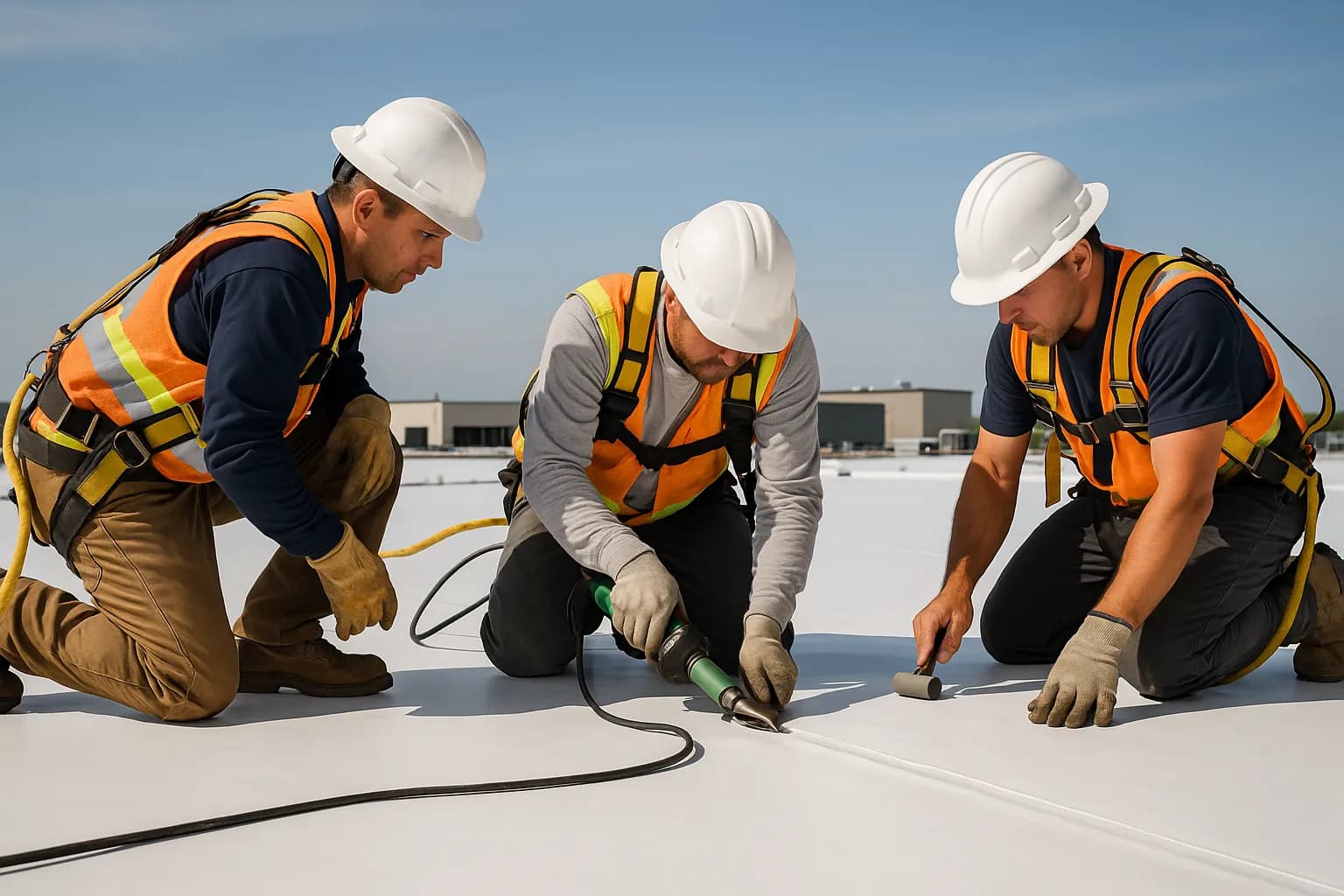
Choose roofing contractors who follow NRCA best practices and are familiar with current IBC roofing provisions, FM Global guidelines, and ASTM standards relevant to your roof system. Contracts should clearly define scope, materials, code compliance obligations, documentation requirements, and how insurance proceeds are handled. - Claims communication protocols
Create a process for how roof damage is reported, assessed, and communicated to insurers. Require contractors to provide measured drawings, photographs, test results, and written justifications for recommended scope so adjusters can evaluate claims against policy language. - Change-order and code-upgrade control
Ensure any scope changes or code-driven upgrades are documented, priced, and explicitly tied to policy provisions or separate owner-paid work. This reduces claims of misrepresentation or fraud concerning what was necessary or covered.
These steps do not eliminate the possibility of disputes, but they materially improve the defensibility of claim positions and reduce the chance that allegations of fraud or misrepresentation arise, as seen in the NRCA case.[1]
Legal and compliance trends impacting commercial roof claims
The NRCA news item sits within a broader trend of heightened legal scrutiny around roofing-related insurance claims. Courts are frequently asked to interpret policy language, enforce or deny coverage, and evaluate contractor conduct. For example, other cases have addressed whether insurers properly cancelled policies, whether policy exclusions bar coverage in specialized contexts such as cyber-related losses, and whether contractor assignments of benefits are enforceable.[3][4][5]
Even when cases involve residential structures or specific state laws, they reveal patterns that matter to commercial stakeholders. Legislatures and regulators are increasingly attentive to contractor practices and insurance claim behavior, sometimes imposing disclosure requirements and conduct limits. At the same time, insurers are more willing to challenge claims they view as inflated or unsupported, and to pursue recovery from contractors or other parties when they believe they paid amounts not owed.
For commercial property portfolios, this means roof risk is now as much a compliance and governance issue as a maintenance concern. Owners and facility managers should stay familiar with NRCA resources, evolving IBC roofing provisions, and local energy codes to ensure projects are designed and executed in ways that align with both insurance expectations and regulatory requirements.
Practical steps when a commercial roof claim is disputed
Even with strong prevention efforts, disputes sometimes arise. When an insurer questions the scope or cost of a commercial roof claim, property managers can take practical steps to keep the process structured and reduce escalation risk:
- Clarify policy language early
Request a written explanation from the insurer referencing specific policy sections. Understand how the carrier interprets coverage for code upgrades, partial versus full replacement, and related items such as debris removal or temporary repairs. - Engage technical expertise
Consider bringing in an independent roofing consultant or engineer versed in NRCA guidelines, IBC roofing provisions, ASTM standards, and FM Global recommendations to provide an impartial assessment of what is required. - Reconcile contractor and insurer scopes
Where differences exist between the contractor’s proposal and the insurer’s estimate, work item-by-item to reconcile quantities, methods, and code requirements. Document agreements and disagreements clearly. - Maintain ethical and transparent communications
Ensure that all representations of damage, cost, and necessity are accurate and supported. Avoid aggressive tactics that could be construed as misrepresentation or fraud, which were central issues in the NRCA case.[1] - Seek legal guidance when stakes are high
If disagreements exceed a material threshold relative to the roof and building value, consider engaging counsel experienced in property insurance and construction to advise on negotiation, appraisal, or litigation options.
These steps provide a framework for managing disputes that respects both insurer concerns and the operational needs of the facility. While some disputes may still reach court, structured documentation and ethical conduct make adverse findings less likely and improve the odds of a fair resolution.

What this NRCA case signals for future commercial roofing projects
The NRCA-reported judgment, which could exceed $2 million, is a stark reminder that commercial roofing projects exist in a complex ecosystem of insurance, codes, and legal risk.[1][9] For building owners, property managers, and facility managers, it reinforces several forward-looking priorities:
- Treat roof projects as risk events from planning through completion, not just maintenance tasks.
- Invest in documentation, compliance, and contracts that align with NRCA, IBC, ASTM, FM Global, and applicable energy-code requirements.
- Coordinate closely with insurers before and after losses to ensure shared understanding of coverage for code upgrades and replacement strategies.
- Select contractors with strong governance and transparency, not just technical skill, because their conduct and documentation can materially influence claim outcomes.
Ultimately, the story is less about one contractor or insurer and more about how easily misaligned expectations can transform a roof claim into litigation with significant financial consequences. By approaching roofing through a risk-informed, compliance-aware lens, commercial property stakeholders can better protect their buildings, budgets, and long-term resilience.
Frequently Asked Questions
How does a case like this affect the cost and ROI of commercial roof projects?
Cases where roof claims escalate into multi-million-dollar judgments highlight the hidden cost of poor documentation, code ambiguity, and misaligned expectations. While quality design and compliance add upfront cost, they improve long-term ROI by protecting against uninsured code upgrades, litigation expense, and premature roof failure across a portfolio.
What should a property manager look for in a roofing contractor to reduce insurance risk?
Seek contractors who follow NRCA best practices, understand IBC and local energy codes, and can demonstrate experience working with insurers on complex claims. Require detailed scopes, documented inspections, and clear change-order processes. Strong governance and transparency are as important as technical expertise in protecting your organization.
Can building code changes increase my exposure during a roof insurance claim?
Yes. When codes evolve—affecting wind uplift, fire ratings, or cool-roof and energy performance—repairing damage may trigger mandatory upgrades. If your policy’s ordinance or law coverage is limited, those costs can fall back on the owner. Proactively aligning coverage with current codes reduces this exposure.
How do different commercial roof systems influence insurance and claim outcomes?
Single-ply membranes (TPO, PVC, EPDM), modified bitumen, BUR, metal roofs, and coatings have different performance, durability, and failure modes. Insurers evaluate damage and repair options based on these characteristics and relevant standards. Selecting systems that meet or exceed code and insurer expectations lowers claim friction and long-term risk.
What governance practices help facility managers navigate high-stakes roof claims?
Effective practices include portfolio-wide roof condition assessments, standardized documentation protocols, pre-approved contractor panels, and clear escalation paths for disputed claims. Integrating risk management with facilities planning—so roofs are tracked like other critical assets—helps ensure that when a loss occurs, the organization is prepared to respond.
Related Reading on My Roofing Tech
- EV Charging Station Installation for Commercial Properties: Roof & Site Planning Guide
- 2024 IECC Commercial Roofing Impacts for Property Managers
Find a Qualified Commercial Roofing Contractor
Need help acting on this? Browse roofing contractors in your area, or explore commercial roofing services like preventative maintenance, inspections, and emergency response. Are you a contractor? List your business on My Roofing Tech to reach property and facility managers actively searching for help.