 My Roofing Tech
EnergySmart Roofing Membranes Upgraded for 2026 Cool-Roof Codes
Quick Answers for Property & Facility Managers
How do the upgraded EnergySmart roofing membranes help my building comply with new cool-roof energy codes?
Holcim’s enhanced EnergySmart roofing membranes are engineered with higher solar reflectance and improved performance to meet demanding cool-roof criteria such as California Title 24 and LEED-related requirements.[1][4][3] For property and facility managers, this directly supports compliance on low-slope commercial roofs as codes tighten in 2026.[1][2]
What practical benefits can property managers expect from installing EnergySmart cool-roof membranes?
EnergySmart membranes use high-reflectivity white or light-colored TPO/PVC surfaces to reduce rooftop heat gain, which can lower cooling loads and help stabilize interior temperatures in commercial buildings.[1] This can support energy-cost control, ease Title 24 compliance, and strengthen LEED or ESG reporting for office, industrial, and institutional facilities.[1][3]
Should I prioritize EnergySmart-type cool roofs on upcoming capital roofing projects?
For upcoming reroofs over large roof areas, many jurisdictions now require insulated cool roofs that meet specific aged SRI or reflectance/emittance thresholds.[2][4][3] Selecting high-reflectance membranes like EnergySmart can reduce compliance risk, streamline permitting, and position your portfolio ahead of 2026 energy code changes.[1][2][4]
EnergySmart Roofing Membrane Upgrades: Why They Matter for Commercial Portfolios
Holcim’s Elevate brand (formerly Firestone) has announced performance upgrades to its EnergySmart single-ply roofing membrane line, targeting the next wave of cool-roof and energy-efficiency standards on commercial buildings.[1] These high-reflectivity TPO and PVC membranes are designed to deliver higher solar reflectance and overall rooftop performance on low-slope roofs.[1]
The refreshed EnergySmart lineup is engineered to comply with demanding cool-roof criteria, including California Title 24, Cool Roof Rating Council (CRRC) requirements, and LEED-related energy objectives.[1][3][4] For property managers, facility managers, and building owners, this product move is less about a minor spec tweak and more about staying ahead of tightening energy codes that will affect reroofing and capital plans in 2026 and beyond.
In practical terms, the news means that one of the major single-ply brands is proactively aligning its membranes with stricter minimum Solar Reflectance Index (SRI) and aged reflectance/emittance thresholds that are being incorporated into modern energy codes.[1][3][4] That has direct implications for compliance, energy cost control, and future resale value of commercial assets.
Cool-Roof Compliance: Title 24, CRRC Ratings, and SRI Targets
Cool-roof rules for commercial buildings, particularly in California, are highly prescriptive and increasingly strict. Under the state’s energy code framework, low-slope roofs involved in major alterations or reroof projects often must meet specific cool-roof and insulation requirements.[2] For example, Title 24 requires both insulation and a cool-roof surface when the alteration area exceeds 2,000 ft² or more than 50% of the total roof area.[2] This captures many typical commercial reroof projects.
To qualify as a cool roof under the Energy Code, a roofing product must have a CRRC rating for solar reflectance and thermal emittance, and must meet either the aged reflectance/emittance targets or the corresponding aged SRI threshold defined in the code.[3] Products must be tested and labeled by the CRRC; inclusion on ENERGY STAR lists alone is not sufficient for compliance.[3]
Recent guidance shows that, for low-slope roofs statewide, minimum aged SRI values are commonly around 75, with equivalent options of aged solar reflectance ≥ 0.63 and thermal emittance ≥ 0.75.[4] Some climate zones and future code cycles are moving toward even higher SRI requirements (for example, 80–85 in certain coastal and southern regions for post‑2025 rules), especially for replacements and major reroofs.[1][4]
EnergySmart membranes are being refreshed specifically to satisfy these tighter SRI and reflectance/emittance thresholds while maintaining single-ply durability and warranty performance.[1][3] For portfolio owners, this reduces the risk that a chosen membrane will fall short of required aged reflectance values during permitting or energy modeling, which can delay projects or trigger redesigns.
Operational Benefits: Cooling Load Reduction and Building Performance
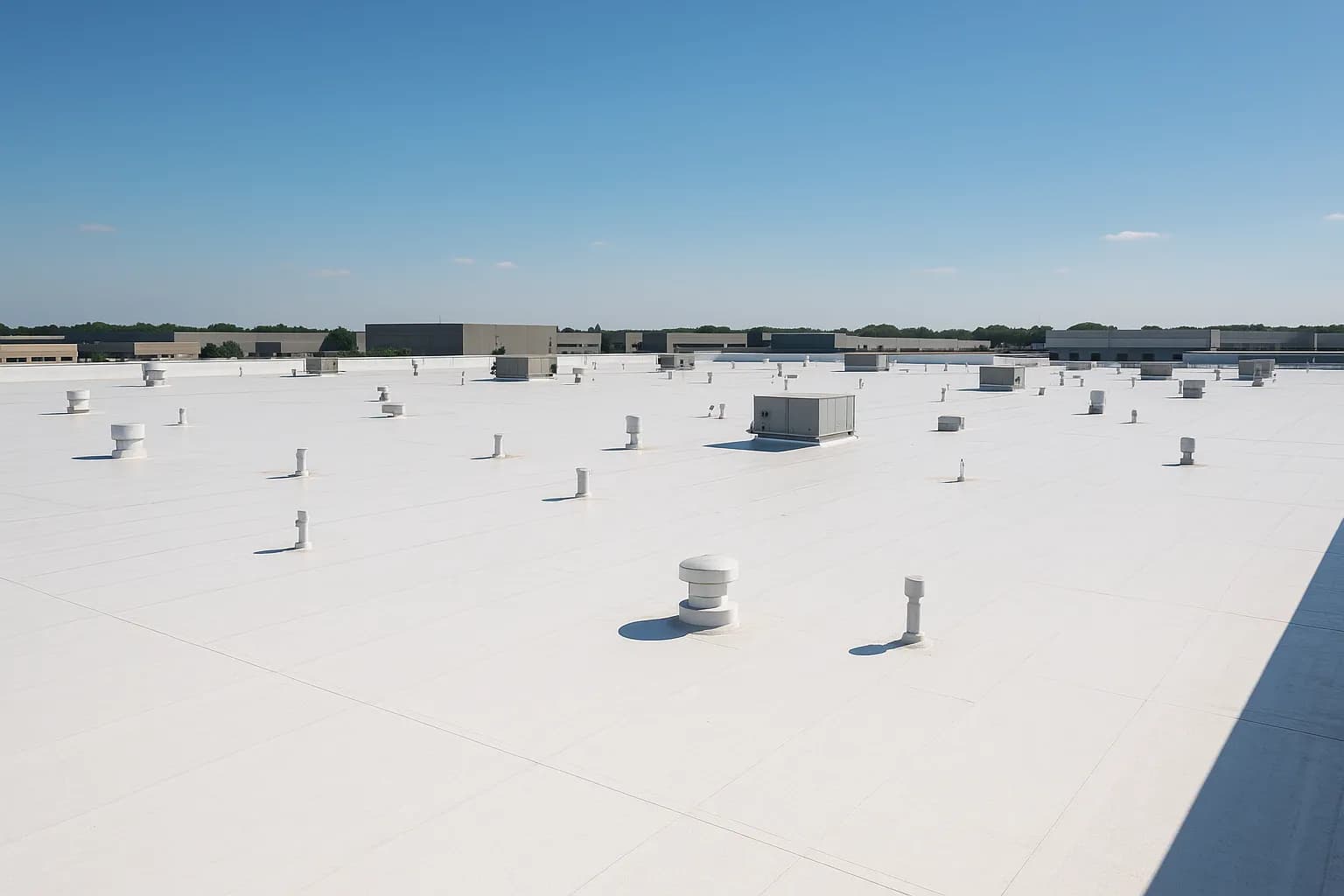
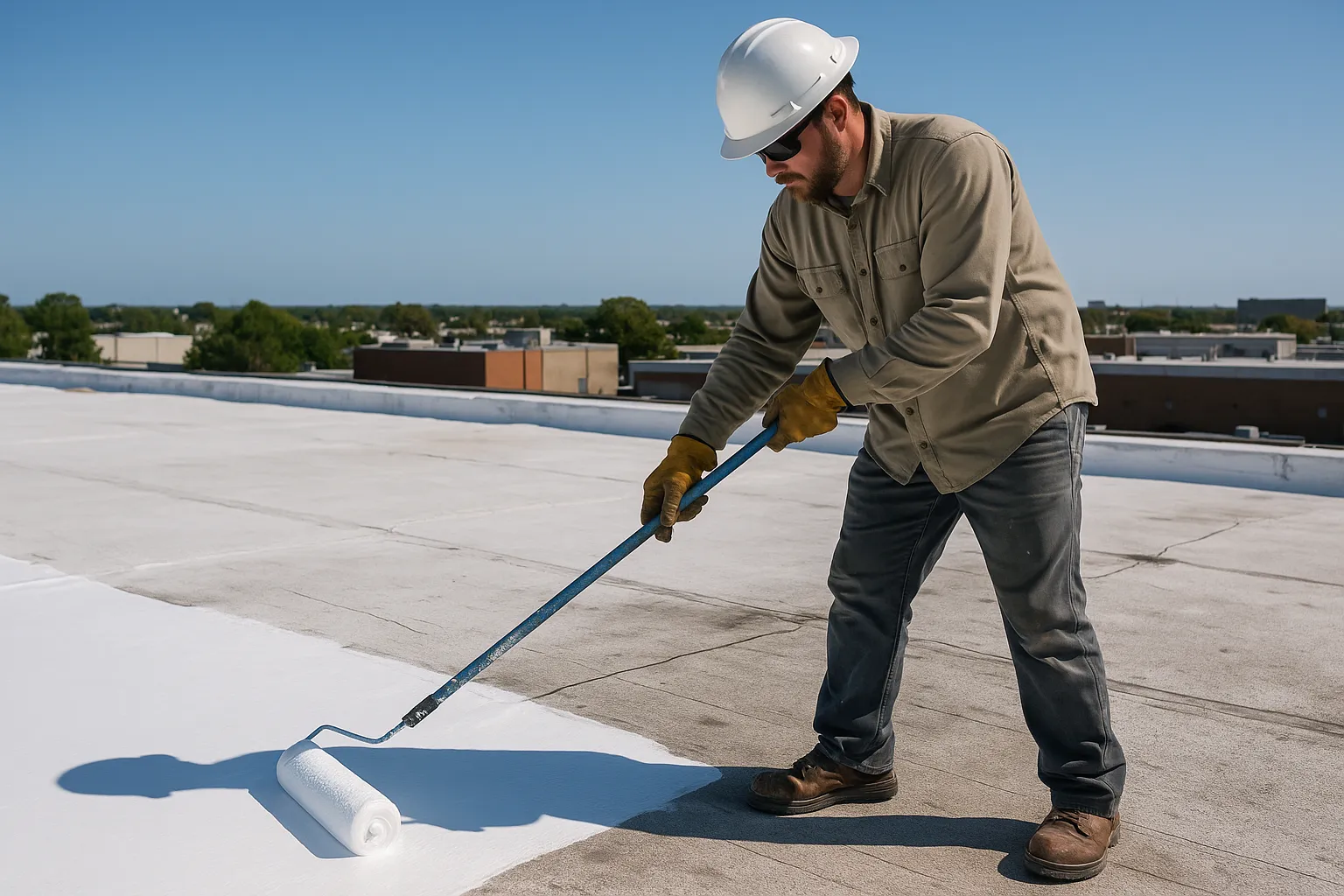
Beyond straightforward compliance, high-reflectivity cool roofs provide tangible operational benefits for commercial buildings. The EnergySmart line uses white or very light-colored TPO and PVC surfaces designed to reflect a significant portion of solar radiation instead of absorbing it into the roof assembly.[1] This mitigates rooftop temperatures and heat transfer into the building.
In typical office, retail, industrial, and healthcare facilities with extensive HVAC loads, cooler rooftop surfaces can reduce peak cooling demand and help stabilize interior temperatures. Industry guidance and field experience show that properly designed cool roofs can contribute to lower annual cooling energy use, improved comfort in top-floor spaces, and reduced rooftop mechanical equipment stress.[1][3]
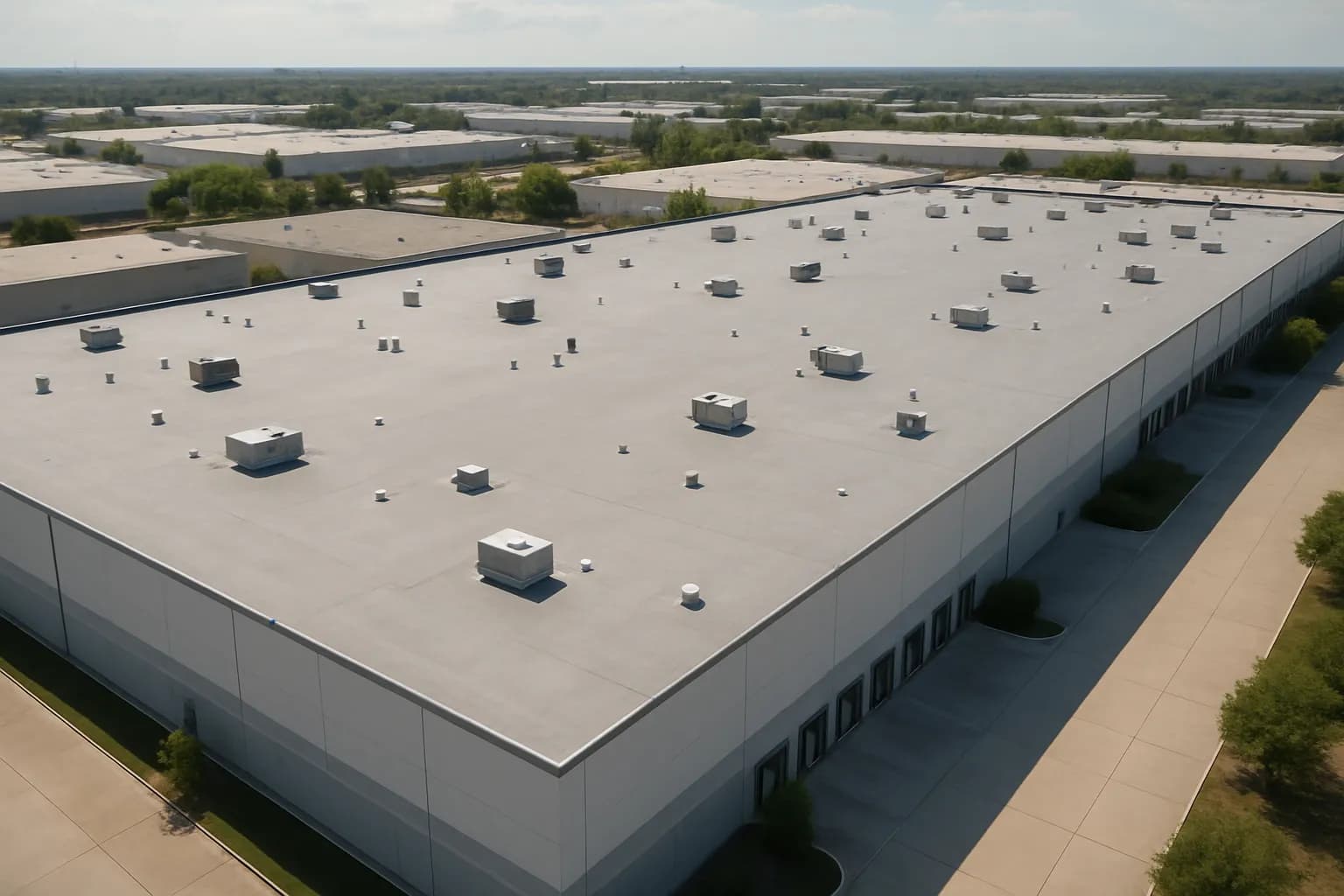
These effects are most pronounced on low-slope roofs with large contiguous areas, such as warehouses, big-box retail, and institutional campuses. For facility managers dealing with rising energy costs or carbon-reduction goals, pairing upgraded cool-roof membranes with proper roof insulation and air-sealing can become a meaningful part of a broader energy strategy.
In LEED and other green building frameworks, meeting or exceeding cool-roof reflectance criteria can help projects earn points under energy and atmosphere categories. Because EnergySmart membranes are engineered to meet these thresholds, they can be useful in aligning roof assemblies with sustainability reporting, corporate ESG commitments, or utility incentive programs.[1][3]
Code, Standards, and Risk Management: What Managers Need to Watch
Commercial roof decisions sit at the intersection of building codes, insurance standards, and manufacturer requirements. As energy codes and cool-roof provisions tighten, property and facility managers need to coordinate design choices with several key frameworks:
- IBC Roofing Provisions: The International Building Code sets structural, fire, and material requirements for roofing systems. Even when a membrane meets cool-roof SRI criteria, it must still comply with IBC fire classification, slope limits, and drainage provisions.
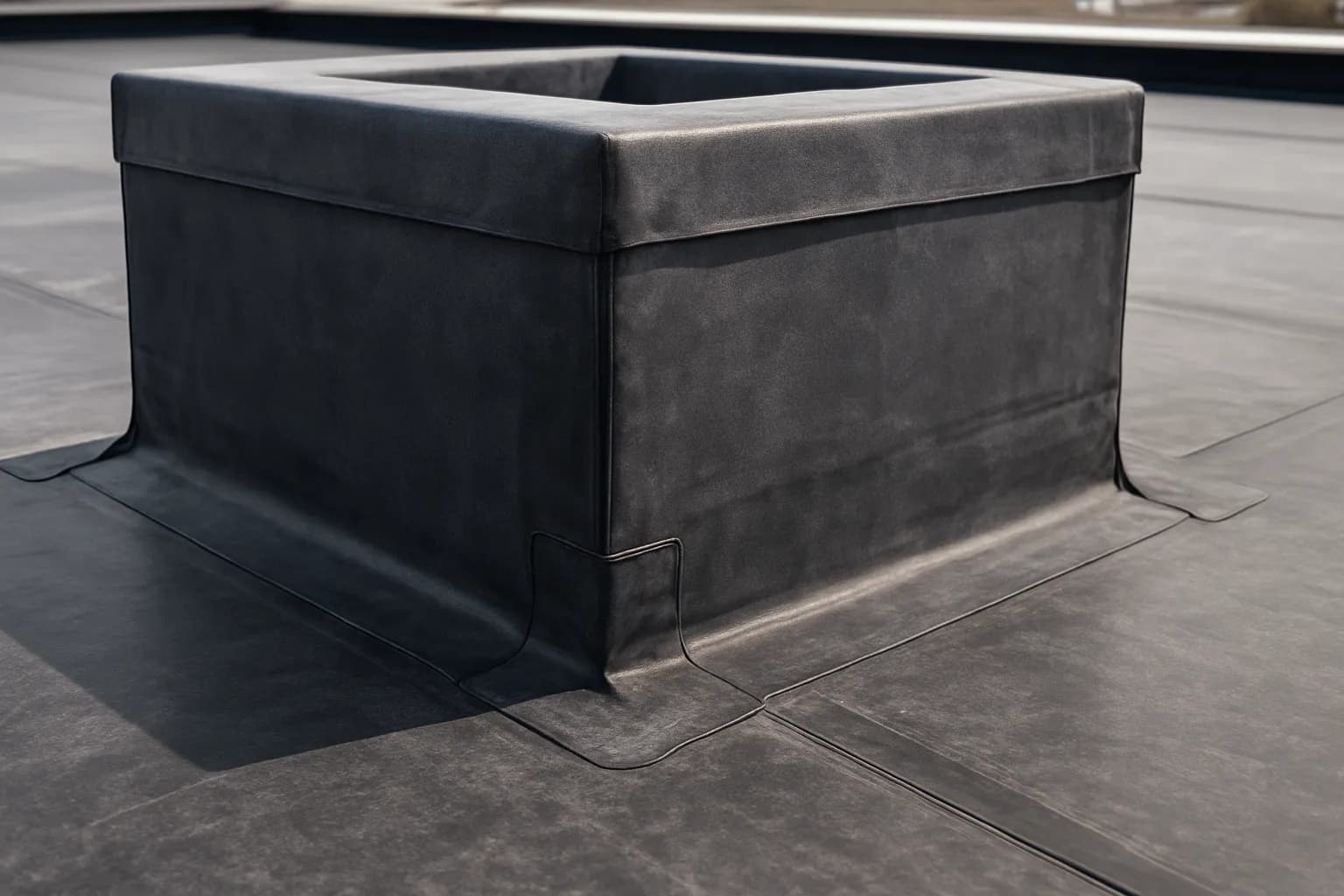
- NRCA Best Practices: The National Roofing Contractors Association emphasizes system design, proper insulation, airflow management, and flashing details. High-reflectivity membranes must be integrated into assemblies that control condensation and thermal movement.
- FM Global and Insurance Requirements: Many large facilities follow FM Global or similar guidelines for wind‑uplift resistance and fire performance. Upgraded cool-roof membranes must still achieve appropriate FM approvals or uplift ratings for the building’s exposure category.
- ASTM Roofing Standards: Single-ply membranes are tested for physical properties under ASTM standards (for example, tear strength, puncture resistance, and weathering). EnergySmart’s performance upgrades are relevant only if they maintain or improve these baseline durability metrics.
From a risk perspective, the biggest shift for managers is that cool-roof compliance is no longer optional on many large reroof projects. Where a project crosses area thresholds or triggers specific code provisions, choosing a non‑compliant membrane can result in failed inspections, rework, or added cost for coatings or overlays later.[2][3]
Specifying a membrane line that is designed upfront to meet Title 24 and CRRC criteria, such as the upgraded EnergySmart products, reduces that risk.[1][3] It also makes it easier to demonstrate due diligence to investors, auditors, or regulatory bodies when capital decisions are reviewed.
Capital Planning and Project Strategy for 2026 Energy Codes
The timing of EnergySmart’s refresh aligns with expected tightening of cool-roof and energy-efficiency codes around 2026.[1][4] For building owners and asset managers, this is an opportunity to adjust capital planning and specification strategies before new thresholds become mandatory.
Key action points for portfolios with significant low-slope roof area include:
- Audit upcoming reroof projects: Identify roofs where more than 2,000 ft² or over 50% of the roof area will be replaced, since these commonly trigger both insulation and cool-roof requirements in jurisdictions like California.[2]
- Verify CRRC ratings and aged SRI: Ensure that any candidate membrane has third‑party CRRC listings and meets aged reflectance/emittance or SRI thresholds (often SRI ≥ 75 for low-slope commercial roofs).[3][4]
- Coordinate with energy modeling and LEED goals: For new developments or major renovations, work with design teams to confirm that selected membranes support modeled energy performance and sustainability objectives.
- Align with warranty and service plans: Confirm that manufacturer warranties remain valid when membranes are used in high‑reflectivity configurations, especially in hot climates and high‑UV exposures.
- Plan for multi‑site standards: Consider establishing a standard membrane specification, such as EnergySmart or similar cool-roof products, across multiple facilities to streamline procurement and compliance.
In many markets, installing a compliant cool roof is now a minimum requirement, not a premium option. Treating cool-roof performance as a baseline in capital planning helps avoid unbudgeted upgrades later when projects are reviewed against new code cycles.
Choosing Between Membrane Systems: TPO, PVC, and Coatings
EnergySmart focuses on single-ply membranes, particularly TPO and PVC, which dominate low-slope commercial roofs. For property and facility managers, the question is how these upgraded membranes compare with other cool-roof options such as coatings or alternative systems.
TPO and PVC cool roofs offer integrated reflectivity directly in the membrane surface, reducing reliance on field‑applied coatings for SRI performance. When properly designed, they can meet Title 24 thresholds and industry standards as part of a complete assembly that includes insulation, fasteners or adhesives, and appropriate flashings.[1][3][4]
Elastomeric roof coatings can also achieve high reflectance, but they are typically used on existing roofs for restoration or maintenance rather than as primary membranes. In many jurisdictions, major reroofs with structural or insulation changes still require compliance through the main roofing product, which must carry appropriate CRRC ratings and tested aged values.[2][3]
Where existing roofs are approaching end‑of‑life, upgrading to a high-reflectivity single‑ply system can be more straightforward than trying to rely solely on coatings to meet future SRI thresholds. However, for certain built-up or modified bitumen roofs in sound condition, coatings combined with added insulation can remain a viable option if properly evaluated against local energy codes.

Next Steps for Building Owners and Facility Managers
Holcim Elevate’s EnergySmart upgrades provide a clear signal that cool-roof compliance and energy performance will be central to commercial roofing choices over the next code cycle.[1] Building owners and facility managers can take several practical steps now:
- Engage design professionals early: Work with roofing consultants or architects familiar with Title 24, CRRC requirements, and local energy codes to define compliant assemblies before budgets are locked.
- Request documentation: Ask manufacturers and contractors for CRRC product labels, aged reflectance/emittance data, and SRI values for any membrane being proposed.[3]
- Integrate roofs into ESG and energy strategies: Capture cool-roof upgrades in energy reporting, LEED strategies, and corporate sustainability plans to realize reputational and incentive benefits.
- Standardize specifications portfolio‑wide: Where practical, adopt a cool-roof membrane standard (such as EnergySmart) across similar building types to reduce complexity and ensure consistent compliance.
- Monitor emerging code changes: Stay informed on adjustments to Title 24, regional energy codes, and related standards affecting low-slope roofs, particularly minimum aged SRI levels and trigger thresholds for reroofs.[2][4]
By treating cool-roof performance as a core design criterion rather than an afterthought, managers can position their buildings to meet stricter codes, control operating costs, and preserve roof warranties and insurance compliance. The EnergySmart product refresh is one more indicator that the commercial roofing market is aligning around high-reflectivity, code‑compliant solutions as the new norm.[1][3]
Frequently Asked Questions
How do EnergySmart cool-roof membranes impact lifecycle cost and ROI for commercial buildings?
Upgraded EnergySmart membranes are engineered to meet strict cool-roof thresholds, which can lower cooling loads on large low-slope roofs and support energy-code compliance.[1][3][4] While upfront costs may be higher than non‑reflective options, reduced energy use, smoother permitting, and stronger resale positioning can improve long‑term ROI, especially in hot climates and code-driven markets.
What compliance risks do building owners face if they ignore cool-roof requirements on reroof projects?
If major reroof projects exceed area thresholds, codes like California Title 24 require both insulation and compliant cool roofs.[2] Using non‑compliant materials can lead to inspection failures, redesign costs, or added expense for coatings to meet reflectance targets.[2][3] Proactively selecting CRRC‑rated, high‑SRI membranes reduces these compliance and schedule risks.[3][4]
Are cool-roof membranes like EnergySmart suitable for all commercial building types?
High-reflectivity TPO and PVC membranes are best suited to low-slope roofs on offices, industrial facilities, warehouses, retail centers, and institutional buildings.[1][4] In cold climates or complex roof geometries, design teams should evaluate energy trade-offs, snow behavior, and code requirements before standardizing cool roofs across the portfolio.
How should facility managers evaluate different cool-roof products for upcoming projects?
Facility managers should compare products based on CRRC ratings, aged SRI or reflectance/emittance values, compatibility with insulation and attachment methods, FM approvals, and manufacturer warranty terms.[3][4] Request test data, verify code alignment, and involve a design professional to confirm that the selected membrane supports both energy performance and long-term durability.
Do ENERGY STAR listings alone ensure my roof meets cool-roof energy codes?
No. Energy codes typically require CRRC testing and specific aged reflectance/emittance or SRI thresholds.[3] Being listed as an ENERGY STAR cool roofing product does not automatically satisfy Title 24 or similar codes. Managers must confirm CRRC ratings and ensure products meet the exact values specified in their jurisdiction’s energy code.[3][4]
Related Reading on My Roofing Tech
- Sewer Line Replacement Cost: What Commercial Property Managers Need to Know
- Commercial Roofing Lawsuit Highlights Insurance Risk for Property Managers
Find a Qualified Commercial Roofing Contractor
Need help acting on this? Browse roofing contractors in your area, or explore commercial roofing services like preventative maintenance, inspections, and emergency response. Are you a contractor? List your business on My Roofing Tech to reach property and facility managers actively searching for help.