 My Roofing Tech
Florida Building Code Corrosion Resistance: What Facility Managers Need to Know
Quick Answers for Property & Facility Managers
How do the new Florida Building Code corrosion resistance requirements affect my commercial roof projects?
The new FBC corrosion resistance requirements tighten standards for fasteners, metal components, and accessories in corrosive environments. For facility and property managers, this means closer coordination with designers and roofing contractors to select code-compliant materials, verify product testing, and document exposure categories for warranty and insurance purposes.
Which commercial buildings are most impacted by Florida’s new corrosion resistance rules?
The updated corrosion resistance provisions primarily affect coastal, waterfront, and industrial buildings where salt spray, chemical emissions, or high humidity accelerate metal deterioration. Office, retail, warehouse, healthcare, and multifamily facilities in these zones may need upgraded fasteners, edge metal, and accessories to remain compliant and protect long-term roof performance.
Do the new FBC corrosion resistance requirements change manufacturer warranties on TPO, PVC, and metal roofs?
The code does not rewrite warranties, but it can influence them. If a roof in a corrosive Florida environment is built with non-compliant or under-specified fasteners, edge metal, or supports, manufacturers may limit coverage. Verifying corrosion resistance ratings and following FBC, NRCA, and FM Global guidance helps keep system warranties and insurance coverage intact.
Florida’s New Corrosion Resistance Rules: Why They Matter for Commercial Roofs
Corrosion has always been a critical concern on commercial roofs in Florida, but the latest Florida Building Code (FBC) update brings that risk squarely into the design and specification process. The Florida Roofing and Sheet Metal Contractors Association (FRSA) recently highlighted new corrosion resistance requirements that affect how roof systems, fasteners, and accessories must be selected in corrosive environments across the state.
For facility managers, property managers, and commercial real estate professionals, these changes are not about field installation techniques. They are about asset protection, code compliance, and avoiding costly roof failures, warranty disputes, and insurance challenges over a 20–30 year roof lifecycle.
Corrosion resistance requirements intersect with national standards and guidance from bodies such as the International Building Code (IBC) roofing provisions, NRCA manuals, FM Global Property Loss Prevention Data Sheets, and ASTM material standards. Understanding how Florida’s rules fit into this framework helps owners make informed decisions about roof replacement, capital planning, and preventive maintenance.
What Changed in the Florida Building Code Corrosion Provisions?
The recent FBC update clarifies and strengthens corrosion resistance expectations for roofing components used in environments where moisture, salt, or chemicals accelerate deterioration. While FRSA’s August 24, 2026 guidance focuses on contractors and designers, the implications are directly relevant to building owners and managers who approve roof designs and budgets.
At a high level, the changes emphasize:
- Corrosion-resistant fasteners for membrane attachment, insulation, and metal components, matched to exposure conditions.
- Protective coatings and base metals (e.g., aluminum, stainless steel, or properly coated steel) for edge metal, copings, and rooftop accessories in coastal and industrial zones.
- Compatibility with roof membranes such as TPO, PVC, EPDM, modified bitumen, and BUR, ensuring corrosion protection does not create chemical interaction or performance issues.
- Documented performance and testing aligned with well-established industry norms like ASTM corrosion tests and FM Global approvals, especially in high-wind and high-exposure areas.
In practice, this means the code is pushing design teams to be more intentional about the corrosion performance of every exposed metal on the roof—fasteners, plates, edge metal, pipe supports, equipment stands, and even small accessories that can become failure points.
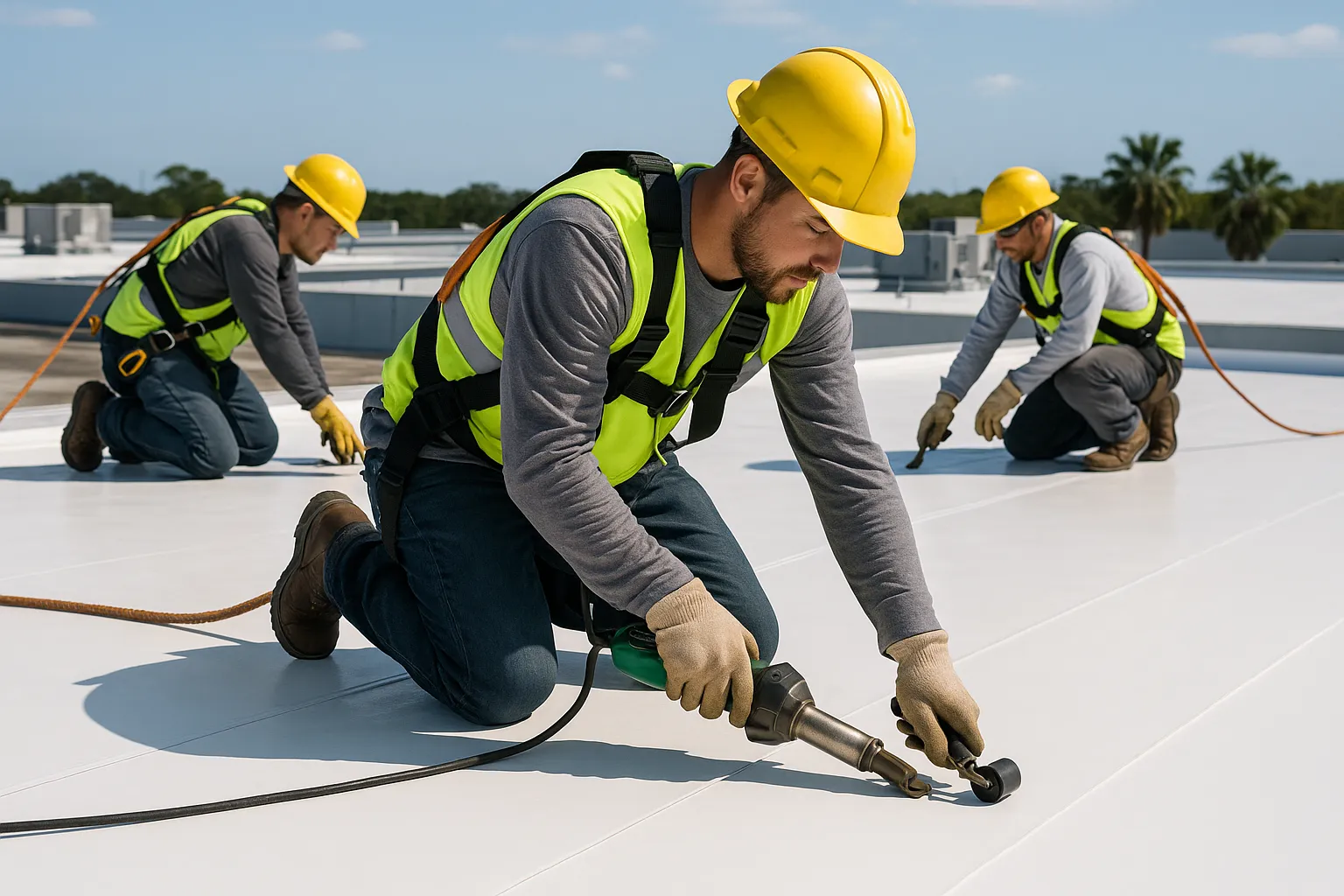
Where Corrosion Resistance Matters Most: Coastal, Industrial, and High-Humidity Facilities
Not every Florida building faces the same level of corrosion risk. The new FBC provisions effectively reinforce the concept of exposure zones, which is already familiar from wind and energy codes. For roof owners, the buildings most affected include:
- Coastal and waterfront properties (office, retail, hospitality, multifamily) where salt-laden air rapidly attacks standard carbon steel fasteners and edge metal.
- Industrial and warehouse facilities with chemical emissions or process-related moisture, where unprotected metals deteriorate faster.
- Healthcare and institutional campuses in high-humidity regions, where persistent moisture and rooftop mechanical equipment contribute to localized corrosion.
- Mixed-use and commercial complexes with extensive rooftop equipment (RTUs, condensing units, solar arrays, communications gear) that introduce more penetrations and metal interfaces.
For these properties, corrosion resistance is not just a material detail; it is a risk management strategy. Premature failure of fasteners, edge metal, or rooftop supports can lead to membrane uplift, leaks, flashings pulling away, and costly interior damage. It can also complicate insurance claims and code enforcement after storm events.
Impacts on TPO, PVC, EPDM, Modified Bitumen, BUR, Metal, and Coating Systems
The FBC corrosion resistance update touches every major commercial roof system, but in different ways. Understanding system-specific implications helps managers ask the right questions during design and bidding.
TPO and PVC Single-Ply Roofs
TPO and PVC roofs rely heavily on fasteners and plates for mechanical attachment of insulation and membranes. In corrosive environments, under-specified fasteners can rust, lose clamping force, and allow membrane flutter, ponding water, and wind damage. Code-compliant assemblies will increasingly call for corrosion-resistant fasteners and plates, properly coated edge metal, and stainless-steel or aluminum accessories at vulnerable transitions.
EPDM, Modified Bitumen, and BUR
These systems often use a mix of mechanical fastening and adhesives, but fasteners and metal components are still critical at perimeters, penetrations, and equipment curbs. Corrosion-resistant edge metal, termination bars, and securement along parapets are essential to meet uplift and durability requirements, especially in Florida’s hurricane-prone climate. Adhesive and asphalt-based systems also need compatible metal finishes that do not degrade from rooftop chemical exposure or trapped moisture.
Metal Roofs and Roof Coatings
Metal roofs are directly exposed to the elements, making corrosion resistance central to their performance. The FBC update reinforces the need for appropriate base metals, factory-applied coatings, and compatible fasteners in coastal and industrial locations. For building owners using roof coatings to extend the life of aging metal or low-slope roofs, the underlying fasteners, panels, and accessories must already meet corrosion resistance expectations—coatings cannot fully compensate for severely corroded substrates.
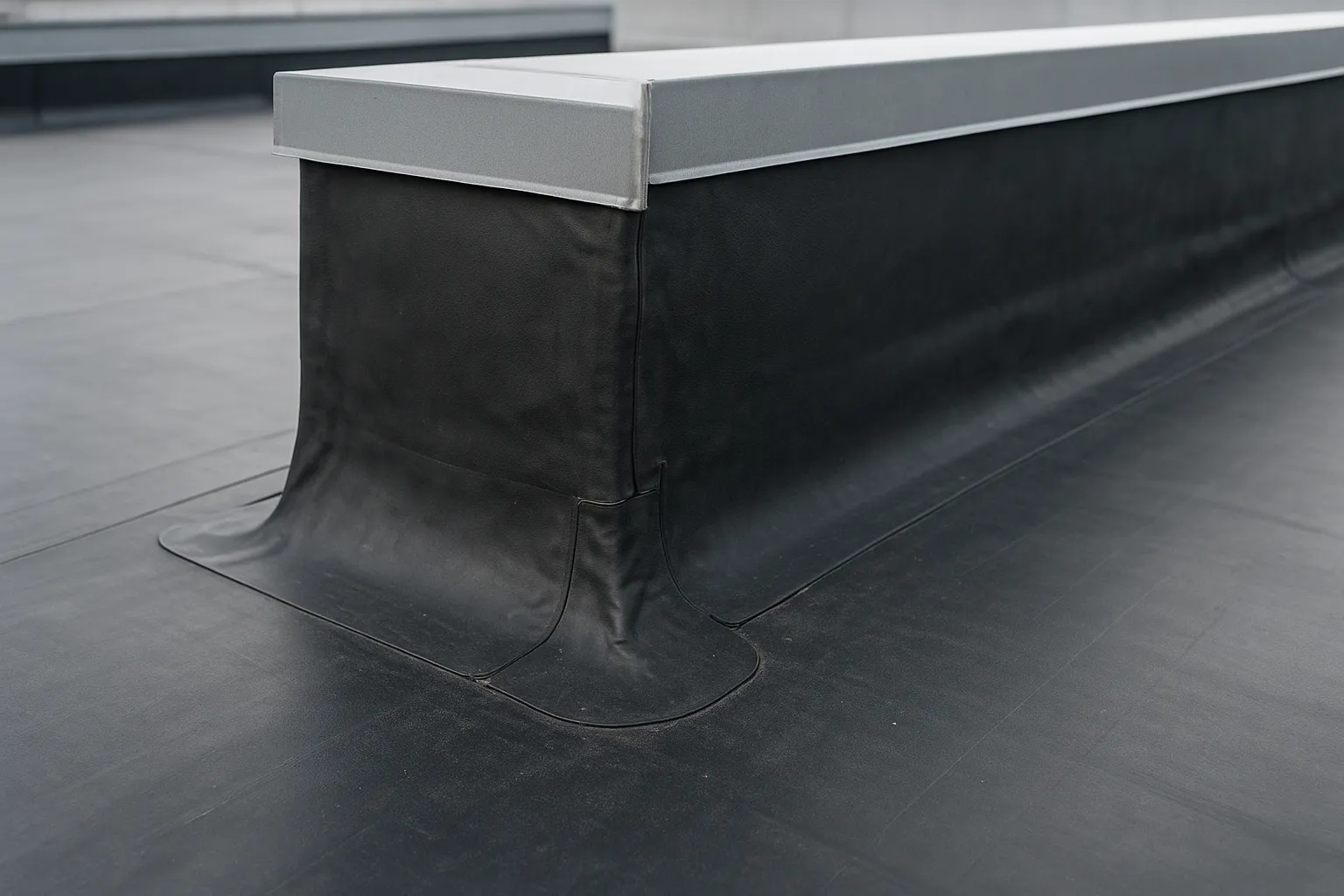
Code Compliance, FM Global, and Manufacturer Warranties
Corrosion resistance requirements do not exist in isolation. They tie into other critical frameworks that facility and property managers routinely navigate: building codes, insurance criteria, and manufacturer warranties.
International Building Code (IBC) roofing provisions and local amendments already emphasize durability and protection against environmental exposure. Florida’s update builds on this by explicitly highlighting corrosion resistance, particularly for roofs in harsh climates.
FM Global, for properties insured under its standards, expects roof assemblies to use approved components consistent with environmental and wind exposure. Selecting fasteners and metal accessories that meet both FBC and FM Global guidelines reduces the risk of coverage disputes and supports predictable performance.
Manufacturer warranties for TPO, PVC, EPDM, modified bitumen, and metal systems typically require that the roof be installed according to current codes and approved details. If a roof in a corrosive environment is built with non-compliant fasteners or inferior edge metal, the manufacturer may limit or deny coverage when problems arise.
For asset managers, this means corrosion resistance is now a warranty and insurance topic as much as a construction detail. Verifying the materials proposed during design and bid review is a practical step toward protecting long-term coverage.
Practical Next Steps for Facility and Property Managers in Florida
The most immediate question for commercial real estate professionals is: what should we do differently on upcoming roofing projects and capital plans? A few practical actions can help align projects with the new FBC requirements while supporting long-term asset performance.
- Map your building exposure: Identify which properties fall into coastal, waterfront, industrial, or high-humidity categories. These will be most affected by the corrosion resistance provisions.
- Update roof design standards: Work with your design professionals to update internal roof standards and bid specifications to explicitly call for corrosion-resistant fasteners, edge metal, and accessories appropriate to each exposure zone.
- Insist on documented compliance: Require roofing contractors and manufacturers to provide documentation of corrosion resistance for fasteners, metal components, and accessory systems—such as product data aligned with ASTM and FM Global testing where applicable.
- Review warranty language: For each roof system type (TPO, PVC, EPDM, modified bitumen, BUR, metal, coatings), confirm that proposed materials and assemblies comply with both FBC and manufacturer requirements for your specific environment.
- Integrate corrosion checks into preventative maintenance: During semi-annual inspections, add specific checks for early signs of rust or coating failure at fasteners, edge metal, pipe supports, and equipment curbs. Address minor corrosion before it escalates into leaks or uplift issues.
These steps do not require technical field expertise from managers; they require process control and informed oversight. By treating corrosion resistance as a design and procurement requirement, owners can reduce lifecycle risk and align roofing investments with evolving code expectations.
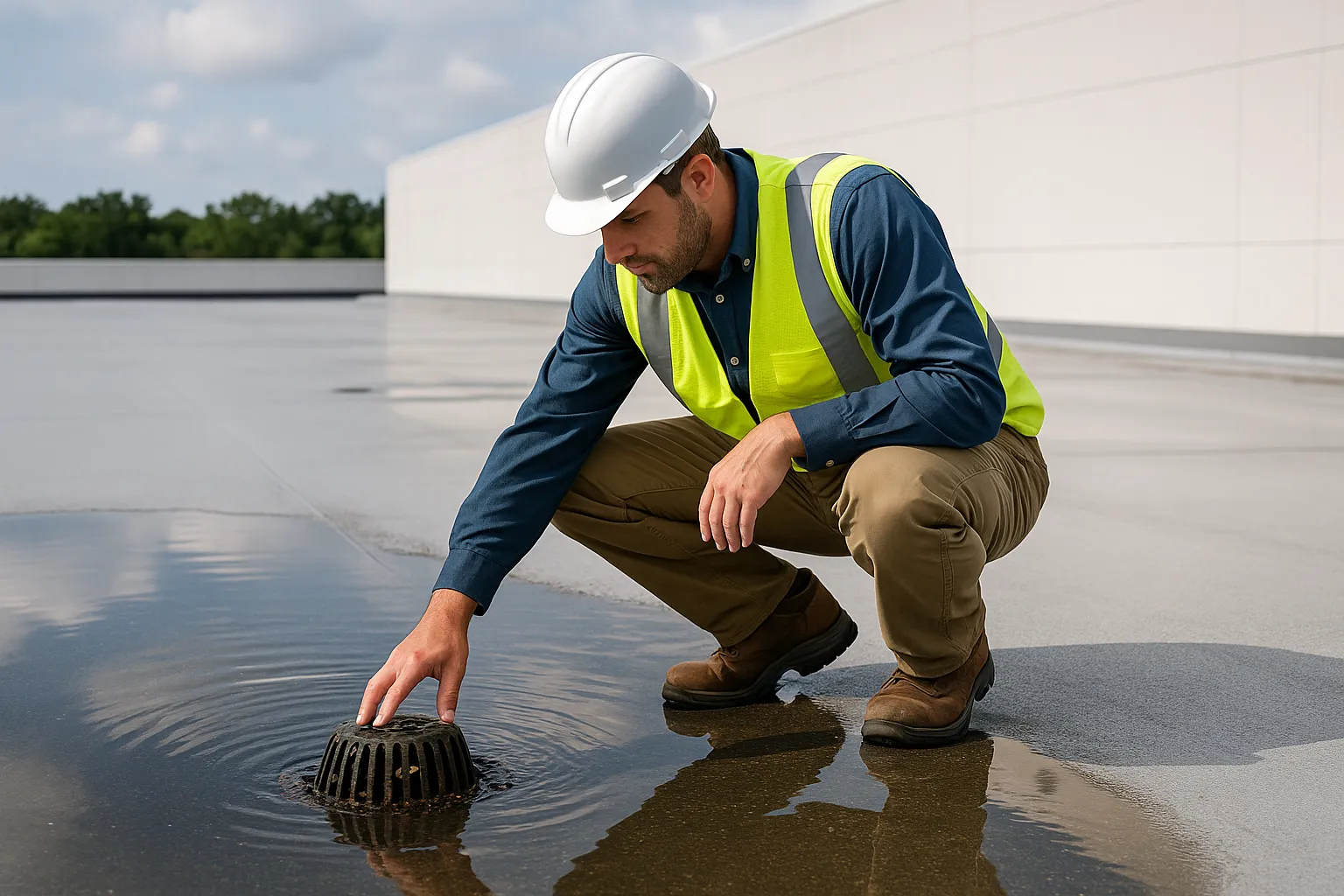
Long-Term Asset and Portfolio Planning Under the New FBC Rules
Finally, the update to Florida’s corrosion resistance requirements should be viewed through a portfolio lens, not just project-by-project. Over the next decade, roof assets across office, retail, industrial, warehouse, healthcare, and multifamily properties will age under conditions that may be harsher than when many existing roofs were installed.
As capital plans are updated, consider:
- Prioritizing roofs in high-corrosion environments for replacement or targeted upgrades, especially where fasteners and metal components already show deterioration.
- Coordinating roofing strategy with energy and cool-roof codes such as Title 24 in other markets and Florida’s energy requirements, ensuring reflective membranes, insulation levels, and corrosion-resistant materials complement each other.
- Aligning roof investments with resilience goals, including wind-uplift performance, flood resistance, and continuity of operations. Corrosion-resistant components are a critical piece of roof resilience alongside structure, drainage, and redundancy.
- Standardizing vendor and system selection around manufacturers and contractors who demonstrate consistent compliance with FBC, NRCA best practices, FM Global criteria, and major ASTM material standards.
In short, the new FBC corrosion resistance requirements serve as a reminder that roof design is a long-term financial and risk decision. For facility and property managers, engaging early in roofing projects, asking targeted questions about corrosion resistance, and requiring documentation can significantly improve the performance and reliability of commercial roof systems over their full service life.
Frequently Asked Questions
How will Florida’s new corrosion resistance rules change commercial roof project costs?
Upfront costs may increase modestly where more robust fasteners, edge metal, and accessories are required, especially in coastal and industrial environments. However, these investments typically reduce lifecycle costs by lowering the risk of premature failure, water intrusion, and warranty or insurance disputes, improving ROI over a 20–30 year roof service life.
Do I need to replace existing roofs to meet the updated Florida Building Code corrosion requirements?
Existing roofs are generally evaluated under the code in effect at the time of construction, so the update does not automatically trigger replacement. However, when planning reroofs, major repairs, or expansions, the new corrosion resistance standards will apply. Using them as a benchmarking tool for older roofs can help prioritize upgrades and mitigate future risk.
How do corrosion resistance requirements interact with FM Global and other insurance standards?
FM Global and similar insurers expect roof assemblies to match both environmental exposure and wind loads. When FBC corrosion resistance requirements are aligned with FM-approved assemblies, owners gain a stronger position on claims and resilience. Coordinating design so assemblies meet both FBC and insurer standards reduces coverage uncertainty and potential loss costs.
What should I ask my roofing designer or contractor about corrosion resistance on upcoming projects?
Ask which corrosion exposure category your building falls into, how fasteners and metal components are selected to meet FBC requirements, and whether proposed systems are consistent with NRCA guidance, FM Global approvals, and manufacturer warranties. Request product data and test information for critical components to confirm long-term durability and compliance.
Are certain roof systems, like TPO or PVC, inherently better for corrosion resistance in Florida?
Membranes such as TPO, PVC, EPDM, modified bitumen, and BUR are generally not the primary corrosion concern—the metal fasteners, edge details, and rooftop accessories are. A well-designed system in any of these membrane types, with correctly specified corrosion-resistant components, can perform successfully in Florida’s environment when installed and maintained to code and manufacturer standards.
How should preventative maintenance adapt to Florida’s updated corrosion resistance rules?
Preventative maintenance programs should add targeted inspections for rust, coating breakdown, and loose or deteriorated metal components at edges, penetrations, and equipment supports. Prioritizing timely repairs or upgrades to corroded fasteners and flashings helps maintain code-compliant performance, protect warranties, and avoid more extensive roof and interior damage over time.
Related Reading on My Roofing Tech
- Elastomeric Roof Coating: A Practical Guide for Commercial Buildings
- OSHA Fixed Ladder Regulations and Commercial Roofing Fall Protection: What Facility Managers Need to Know
Find a Qualified Commercial Roofing Contractor
Need help acting on this? Browse roofing contractors in your area, or explore commercial roofing services like preventative maintenance, inspections, and emergency response. Are you a contractor? List your business on My Roofing Tech to reach property and facility managers actively searching for help.
Originally sourced from Florida Roofing