 My Roofing Tech
Elastomeric Roof Coating: A Practical Guide for Commercial Buildings
Quick Answers for Property & Facility Managers
What is an elastomeric roof coating on a commercial building?
Elastomeric roof coating is a liquid-applied, flexible membrane installed over an existing commercial roof to restore waterproofing, improve reflectivity, and extend service life. When correctly matched to the substrate and installed per manufacturer requirements, it can defer costly tear-off and replacement by 10–20 years on suitable roofs.
Is elastomeric roof coating cheaper than replacing a commercial roof?
For many flat and low-slope commercial roofs in serviceable condition, an elastomeric roof coating is significantly less expensive than full replacement. Coating systems typically cost a few dollars per square foot installed, while full tear-off and replacement commonly runs several times higher, especially on large office, industrial, or healthcare facilities.
Which commercial roof types are good candidates for elastomeric roof coating?
Elastomeric roof coating is commonly used to restore single-ply membranes (TPO, PVC, EPDM), modified bitumen, built-up roofing (BUR), and metal/standing seam roofs. Suitability depends on existing membrane condition, moisture in the assembly, adhesion testing, and manufacturer approvals—not just the roof type alone.
What elastomeric roof coating means for commercial facilities
For facility managers and property teams, an elastomeric roof coating is a way to restore a low-slope commercial roof without a full tear-off. These coatings are liquid-applied, flexible membranes that cure into a seamless surface, moving with the roof as temperatures change and helping control leaks and heat gain.
Compared to full replacement, coating projects often deliver faster timelines, less disruption to tenants, and lower capital outlay. On suitable roofs, a coating system can add a decade or more of service life while improving reflectivity and reducing cooling loads, especially on under-insulated buildings.
The key is that elastomeric roof coating is not a band-aid. It is a designed system with primers, reinforcement, specified dry mil thicknesses, and manufacturer warranty requirements. Your role is to decide whether your roof, budget, and risk profile align with a coating strategy versus continued patching or full replacement.
When elastomeric roof coating is appropriate (and when it isn’t)
Before you budget for elastomeric roof coating, you need to determine whether your existing roof is a good candidate. The decision hinges on condition, moisture, and long-term plans for the asset.
Checklist: is your roof a coating candidate?
- Roof type: Low-slope commercial roof with TPO, PVC, EPDM, modified bitumen, BUR, or metal/standing seam.
- Age and condition: Membrane is weathered but generally intact, with manageable defects (cracked seams, minor blisters, localized corrosion) rather than widespread failure.
- Moisture in assembly: Infrared scan or core cuts show that wet insulation is limited to spot areas that can be removed and replaced; widespread wet insulation typically points to replacement.
- Structural capacity: No known structural deficiencies, deflection issues, or deck damage beneath the roof.
- Ponding water: Areas of standing water are limited and can be addressed through repairs, drains, or tapered insulation as part of the project; some acrylic coatings are not recommended for chronic ponding.
- Access and use: Roof is not heavily trafficked beyond routine maintenance; high-traffic roofs may require walk pads and more robust detailing.
- Future plans: Ownership expects to hold the asset long enough (often 5–10 years) to realize the ROI of the coating warranty term.
If multiple items on this list are problematic—especially widespread wet insulation or significant structural issues—full replacement or a re-cover rather than elastomeric roof coating is often the more appropriate capital plan.
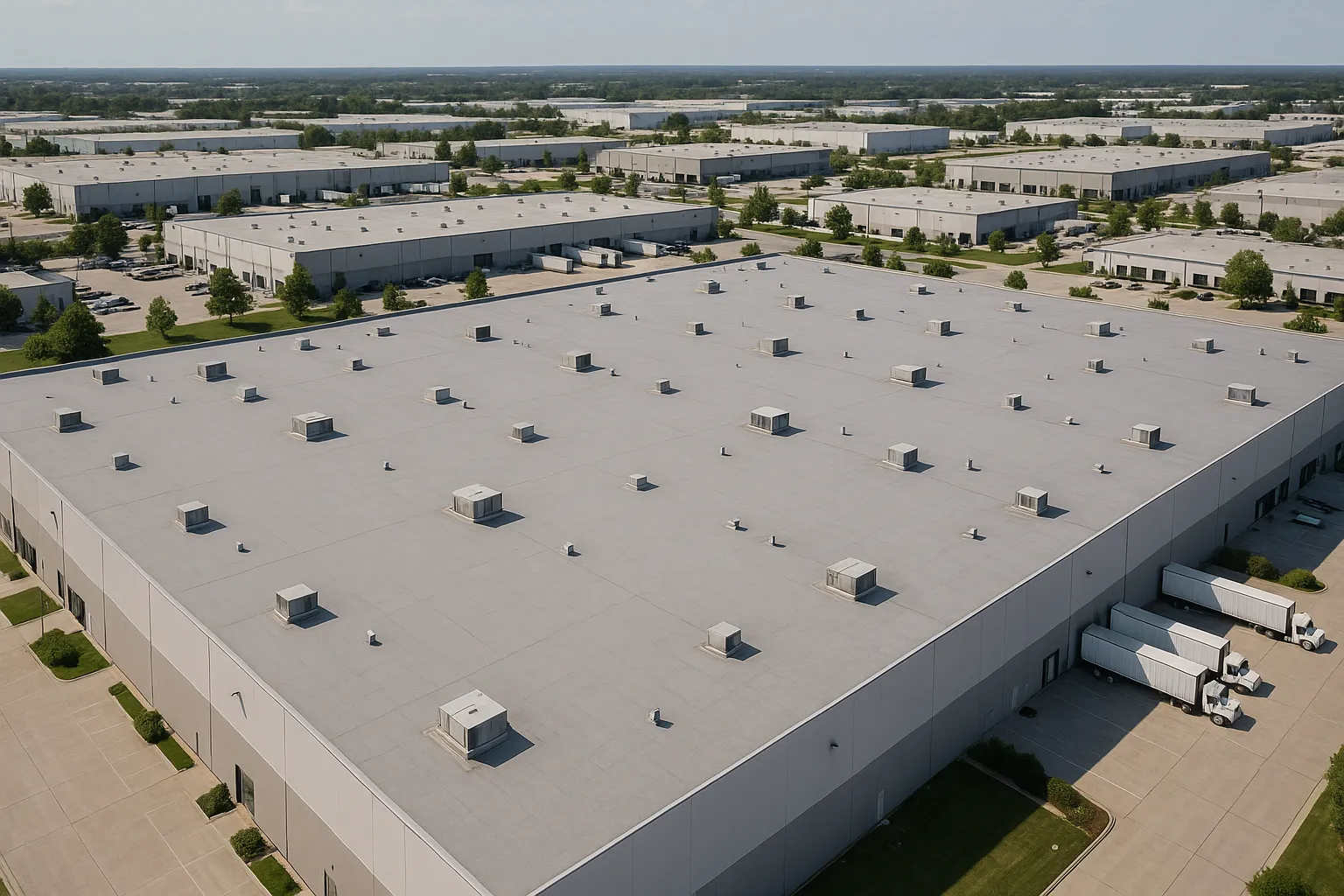
How elastomeric roof coating interacts with different roof systems
Elastomeric roof coating must be compatible with the existing roof membrane. Manufacturers publish substrate-specific requirements, primers, and preparation methods. Here is what facility managers should know by roof type.
TPO (thermoplastic) and PVC membranes
- Use case: Aging, chalked, or slightly crazed single-ply membranes with intact attachment and limited seam defects.
- Key prep: Thorough cleaning to remove dirt and chalking, seam and penetration repairs, and often a bonding primer to ensure adhesion to the thermoplastic surface.
- Considerations: Verify membrane is not embrittled or severely shrunk. Manufacturer adhesion tests are critical before committing to an elastomeric roof coating over TPO/PVC.
EPDM (rubber) membranes
- Use case: Weathered but still elastic EPDM where seams and flashing details can be repaired.
- Key prep: Detergent wash, solvent wipe where required, reinforcement at seams and detail areas, and EPDM-specific primers as specified by the coating manufacturer.
- Considerations: Not all acrylic elastomeric coatings bond to EPDM without specialized primers. Always require adhesion testing and written confirmation from the coating manufacturer.
Modified bitumen and BUR (built-up roofing)
- Use case: Aging asphalt-based roofs with surface cracking, minor blistering, and UV degradation but sound attachment and limited moisture.
- Key prep: Repair blisters and open laps, replace loose gravel or contaminated surfacing, apply compatible primers, and embed fabric reinforcement at transitions and seams as required.
- Considerations: Some elastomeric roof coatings can help encapsulate residual dust or granules, but loose surfacing must be addressed to achieve reliable adhesion.
Metal and standing seam roofs
- Use case: Metal roofs with minor rust, fastener back-out, or seam issues where the panel field is still structurally sound.
- Key prep: Rust treatment, tightening or replacing fasteners, sealing panel laps, cleaning chalked finishes, and sometimes spot-priming bare metal.
- Considerations: Elastomeric roof coating projects on metal roofs often focus on detailing seams and fasteners with reinforced coating before applying the full-field system.
Across all roof types, your specification should follow industry guidance for low-slope membranes and manufacturer instructions, including minimum dry film thickness and adhesion testing.
Cost and ROI: where elastomeric roof coating fits in your capital plan
Understanding the cost profile of elastomeric roof coating versus other options is essential for capital planning and budgeting.
Typical cost ranges
While pricing varies by region, access, and specification, many commercial elastomeric roof coating projects fall within roughly the low- to mid-single digits per square foot installed. Published cost guides commonly report total installed costs for elastomeric or acrylic coatings in the approximate range of about two to several dollars per square foot for typical commercial roofs, with silicone or higher-build systems trending toward the upper end of that range.
By contrast, full tear-off and replacement of a commercial flat roof—especially with new insulation, tapered systems, and code upgrades—often costs several times more per square foot, and total project costs for 10,000 square feet can easily reach into the tens or hundreds of thousands of dollars depending on system type and region.
Where elastomeric roof coating creates value
- Life extension: On sound substrates, a coating system can add 10–20 years of service life when installed at the manufacturer’s specified thickness and maintained per warranty requirements.
- Energy and comfort: Highly reflective white elastomeric roof coating can reduce rooftop surface temperatures and cooling loads on under-insulated buildings, especially in warm climates. This is most impactful on office, healthcare, retail, and warehouse facilities with significant air conditioning.
- Deferred capital: Coatings allow owners to defer full replacement and smooth capital expenditures. For portfolios, this helps avoid multiple simultaneous large roof replacements.
- Operational continuity: Minimal tear-off reduces disruption, odors, and safety impacts on tenants compared to large replacement projects.
However, if a roof has extensive moisture, adhesion failures, or end-of-life structural issues, investing in elastomeric roof coating tends to be false economy. Replacement—while more expensive upfront—may be the sounder long-term strategy.
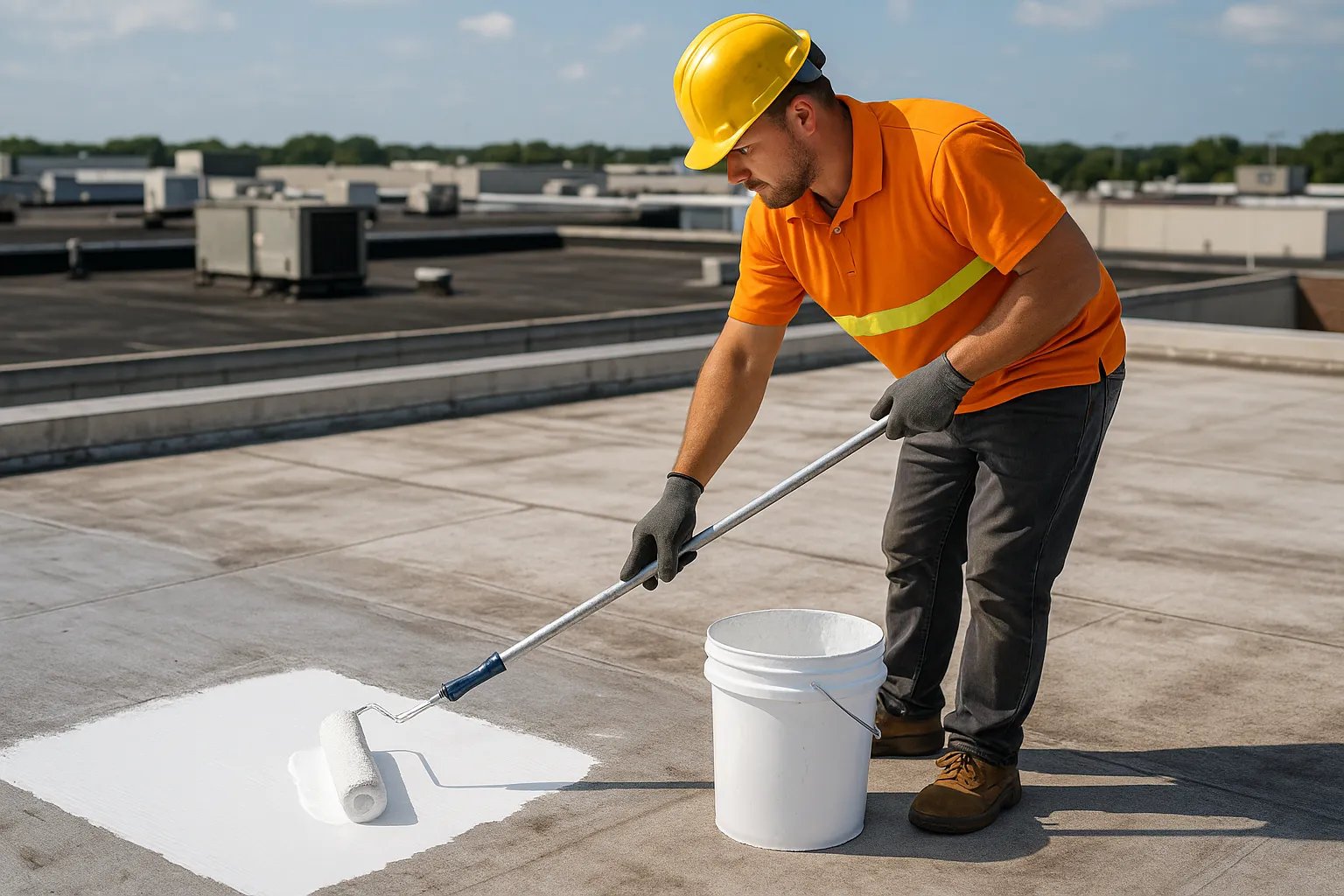
Step-by-step planning process for an elastomeric roof coating project
For facility and property managers, successful elastomeric roof coating projects follow a deliberate planning and procurement process. The following steps provide a practical framework.
1. Condition assessment and documentation
- Commission a professional roof inspection and, where appropriate, infrared moisture survey for each candidate roof area.
- Document roof type, age, previous repairs, flashing details, drains, and rooftop equipment impacting access.
- Identify safety constraints (parapet height, tie-offs), tenant sensitivities (healthcare, data centers), and staging areas.
2. Determine strategy: repair, coating, or replacement
- Compare the scope and cost of targeted repairs, elastomeric roof coating, and full replacement for each roof section.
- Align with asset strategy: hold period, tenant expectations, and capital budget.
- For borderline roofs, consider a phased approach: remove wet areas, repair critical flashings, then coat the remaining section.
3. Select coating type and manufacturer
- Work with a commercial roofing contractor or consultant to match acrylic, silicone, or other elastomeric roof coating chemistries to your climate, ponding conditions, and substrate.
- Confirm written manufacturer approvals for your specific roof type (TPO, PVC, EPDM, modified bitumen, BUR, or metal).
- Review available warranties, including term (often 10–20 years), required mil thickness, and maintenance obligations.
4. Bid and contractor selection
- Issue a clear scope of work including surface preparation, repairs, primers, coating products, number of coats, and verification testing.
- Require contractors to include adhesion test plans, wet and dry mil thickness measurements, and warranty registration.
- Evaluate contractors based on commercial coating experience, manufacturer certifications, safety record, and references for similar building types.
5. Construction, quality control, and closeout
- Schedule work to minimize weather risk and tenant impact; many coatings have specific temperature and moisture application windows.
- Ensure the contractor documents substrate repairs, adhesion test results, and thickness readings across the roof.
- Conduct a joint punch walk with the contractor and manufacturer representative before final acceptance and warranty issuance.
Inspection, maintenance, and warranty considerations
Elastomeric roof coating systems require ongoing inspection and maintenance to perform as intended and preserve warranty coverage. These tasks are squarely in the facility management wheelhouse.
Routine inspections
- Frequency: At least twice per year (spring and fall) and after severe weather events.
- Focus areas: Roof drains and scuppers, seams and penetrations, terminations at walls and curbs, mechanical equipment supports, and any high-traffic paths.
- Documentation: Maintain dated photos and inspection notes to support warranty claims and capital planning.
Maintenance best practices
- Keep the roof surface free of debris that can trap moisture or damage the coating.
- Maintain drainage; standing water for extended periods can shorten the life of some coating chemistries if not designed for ponding.
- Promptly repair cuts, punctures, or localized failures using the manufacturer’s recommended materials.
- Control rooftop traffic and use walk pads or sacrificial surfaces where regular access is needed.
Warranty alignment
Most elastomeric roof coating manufacturers specify minimum application rates, details at penetrations and seams, and inspection/maintenance requirements as conditions of their warranties. Facility managers should keep copies of the warranty, installation records, and maintenance logs, and ensure that any future roof work—such as new mechanical curbs or penetrations—follows the coating manufacturer’s details to avoid voiding coverage.
How to decide if elastomeric roof coating is right for your portfolio
For owners and managers of office, retail, industrial, healthcare, warehouse, and institutional properties, elastomeric roof coating is best viewed as one tool in a larger roof asset management strategy.
Coating often makes sense when:
- You have large areas of aging but repairable single-ply, BUR, modified bitumen, or metal roofing.
- Capital is constrained, but you need to reduce leak risk and stabilize the envelope.
- Roofs serve critical operations, and you want to minimize disruption and tear-off.
- Energy performance, tenant comfort, or ESG goals increase the value of a reflective roof surface.
Full replacement often makes more sense when:
- Insulation is significantly wet, or the roof deck is compromised.
- Membranes are at the end of their physical life with widespread cracks, splits, or adhesion failure.
- Structural upgrades, reconfiguration, or major rooftop equipment changes are planned.
The most effective approach is to integrate elastomeric roof coating decisions into a multi-year roof management plan. Map each building’s roof type, age, condition, and capital needs, then identify where coatings, targeted repairs, or replacements best support your portfolio’s financial and operational goals.
Frequently Asked Questions
How much does elastomeric roof coating cost for commercial buildings, and what is the ROI?
Commercial elastomeric roof coating projects typically cost in the low- to mid-single digits per square foot installed, depending on roof type, prep, and coating chemistry. While exact returns vary, many owners see strong ROI by extending roof life 10–20 years, lowering leak risk, and improving reflectivity without the disruption and much higher cost of full replacement.
Can elastomeric roof coating be used on TPO, PVC, and EPDM roofs?
Yes, elastomeric roof coating is often used to restore TPO, PVC, and EPDM roofs, but only with the right primers and surface preparation. Adhesion testing and manufacturer approval are critical. Not every coating chemistry bonds well to every membrane. Facility teams should require written confirmation from the coating manufacturer for the specific roof in question.
Does elastomeric roof coating meet building codes and manufacturer requirements?
Most reputable elastomeric roof coating systems are designed to meet applicable building codes and are tested for use on specific substrates. However, roofs with existing manufacturer warranties may have restrictions on aftermarket coatings. Always review the original roof warranty, consult the coating manufacturer, and ensure compliance with local codes and energy standards before proceeding.
What are the main risks of choosing elastomeric roof coating instead of replacement?
The primary risks include coating over hidden moisture or structural problems, using incompatible products, and inadequate preparation leading to adhesion failure. These can result in continued leaks and wasted capital. Thorough investigation, moisture testing, manufacturer-backed specifications, and experienced commercial contractors are the best risk controls for facility managers.
How long does an elastomeric roof coating last on a commercial roof?
Service life depends on coating type, film thickness, climate, and maintenance. Many commercial elastomeric systems are warranted for 10–20 years when installed to specification. Regular inspections, prompt repairs, and keeping drains clear are essential to achieve the upper end of the expected life and maintain warranty protection.
Can elastomeric roof coating fix active leaks on a commercial roof?
Coating systems can help control leaks, but they are not a substitute for proper repairs. Active leaks should be traced to their sources, with damaged membranes, flashings, and wet insulation addressed before applying elastomeric roof coating. The coating then acts as a restoration layer, not a patch, improving continuity and long-term performance.
Related Reading on My Roofing Tech
- OSHA Fixed Ladder Regulations and Commercial Roofing Fall Protection: What Facility Managers Need to Know
- Silicone Roof Coating for Commercial Roofs: A Practical Guide for Facility Managers
Find a Qualified Commercial Roofing Contractor
Need help acting on this? Browse roofing contractors in your area, or explore commercial roofing services like preventative maintenance, inspections, and emergency response. Are you a contractor? List your business on My Roofing Tech to reach property and facility managers actively searching for help.