 My Roofing Tech
Silicone Roof Coating for Commercial Roofs: A Practical Guide for Facility Managers
Quick Answers for Property & Facility Managers
What is silicone roof coating used for on commercial roofs?
Silicone roof coating is used to restore and protect commercial low-slope roofs by sealing the surface, improving weather resistance, and helping reduce leaks. It is commonly considered for aging but serviceable roofs, especially where ponding water, UV exposure, or minor seam and flashing issues are present.
Is silicone roof coating better than replacing a commercial roof?
It depends on roof condition. Silicone roof coating is often more cost-effective than full replacement when the roof deck, insulation, and membrane are still sound. If the roof has widespread wet insulation, major structural issues, or repeated systemic failures, replacement is usually the better long-term decision.
Silicone Roof Coating: What Facility Managers Need to Know
For commercial property teams, silicone roof coating is a restoration tool—not a cure-all. It is most useful on low-slope roof systems that are still structurally viable but need improved waterproofing, UV resistance, and better defense against weathering. In practice, that means silicone roof coating can help extend the service life of roofs on offices, retail centers, warehouses, healthcare buildings, multifamily properties, and institutional facilities when the roof is a good candidate.
The key question for facility managers, property managers, and commercial real estate professionals is not whether silicone roof coating is “good” in general, but whether it is appropriate for the existing roof assembly, drainage conditions, and maintenance plan. Manufacturer guidance commonly emphasizes proper cleaning, repair of damaged areas, and dry substrate conditions before application, and many systems are designed to meet ASTM D6694 requirements for silicone roof coatings.
When Silicone Roof Coating Makes Sense on a Commercial Roof
Silicone roof coating is typically considered when a roof is showing age but is not ready for full replacement. It is often used on low-slope commercial roofs where the primary goal is to restore weatherproofing, slow deterioration, and reduce leak risk without a capital replacement project.
- Use it when the roof membrane is generally intact and leaks are localized rather than systemic.
- Use it when the building has recurring UV-related wear, minor seam issues, or aging flashings.
- Use it when ponding water is a concern, because silicone is widely marketed for standing water resistance.
- Use it when you need a budget-conscious restoration strategy that may defer replacement.
It is usually a poor fit if the roof has extensive saturated insulation, major structural movement, or repeated failures across large areas. In those cases, a coating can hide symptoms without solving the root problem.
Roof System Compatibility: TPO, PVC, EPDM, Modified Bitumen, BUR, and Metal
Compatibility matters more than product branding. A silicone roof coating project should be matched to the existing substrate, the current roof condition, and the manufacturer’s approved preparation requirements.
- TPO: Often a candidate for restoration if the membrane is weathered but still adherent and cleanable. Surface preparation and adhesion testing are critical because contamination can affect bond.
- PVC membrane: Can be a candidate when the roof is sound and the coating system is approved for the substrate. Check chemical compatibility and warranty terms.
- EPDM: Often requires specialized cleaning and primer selection because EPDM surfaces can be challenging for adhesion. Do not assume a coating will bond without testing.
- Modified bitumen: Frequently used with silicone restoration systems when the roof is aged but stable. Damaged seams, blisters, and flashings should be repaired before coating.
- BUR: Can be a candidate if the roof is dry, stable, and properly prepped. Open seams, exposed aggregate issues, and surface deterioration must be addressed first.
- Metal / standing seam: Silicone coating can help protect aged metal roofs, but fasteners, seams, rust, and movement points need special attention. Rust control and primer selection are important.
For all of these systems, a coating is only as effective as the prep work beneath it. If the roof is dirty, wet, unstable, or actively failing, the project is likely to underperform.
Step-by-Step Silicone Roof Coating Process for Commercial Buildings
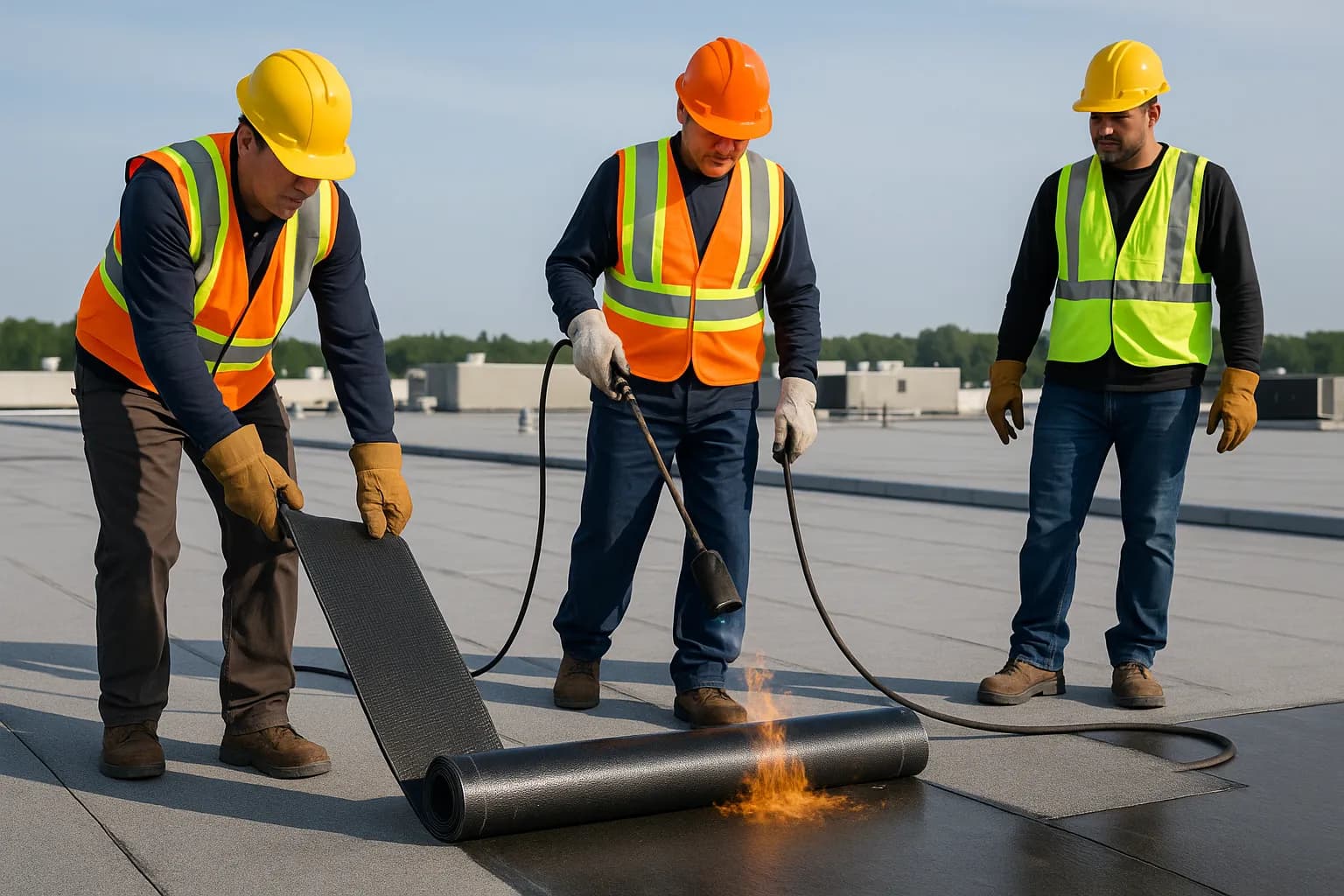
Facility managers should manage a silicone roof coating project like any other asset-preservation job: inspection, testing, prep, repair, application, and documentation.
- 1. Inspect the roof assembly. Identify ponding areas, open seams, failed flashings, punctures, rust, and signs of trapped moisture.
- 2. Confirm the roof is a viable candidate. Verify that the deck, insulation, and membrane are still serviceable. If there is widespread wet insulation or major structural damage, reconsider the project.
- 3. Perform adhesion and compatibility checks. Test the substrate, especially on TPO, PVC, EPDM, and metal roofs.
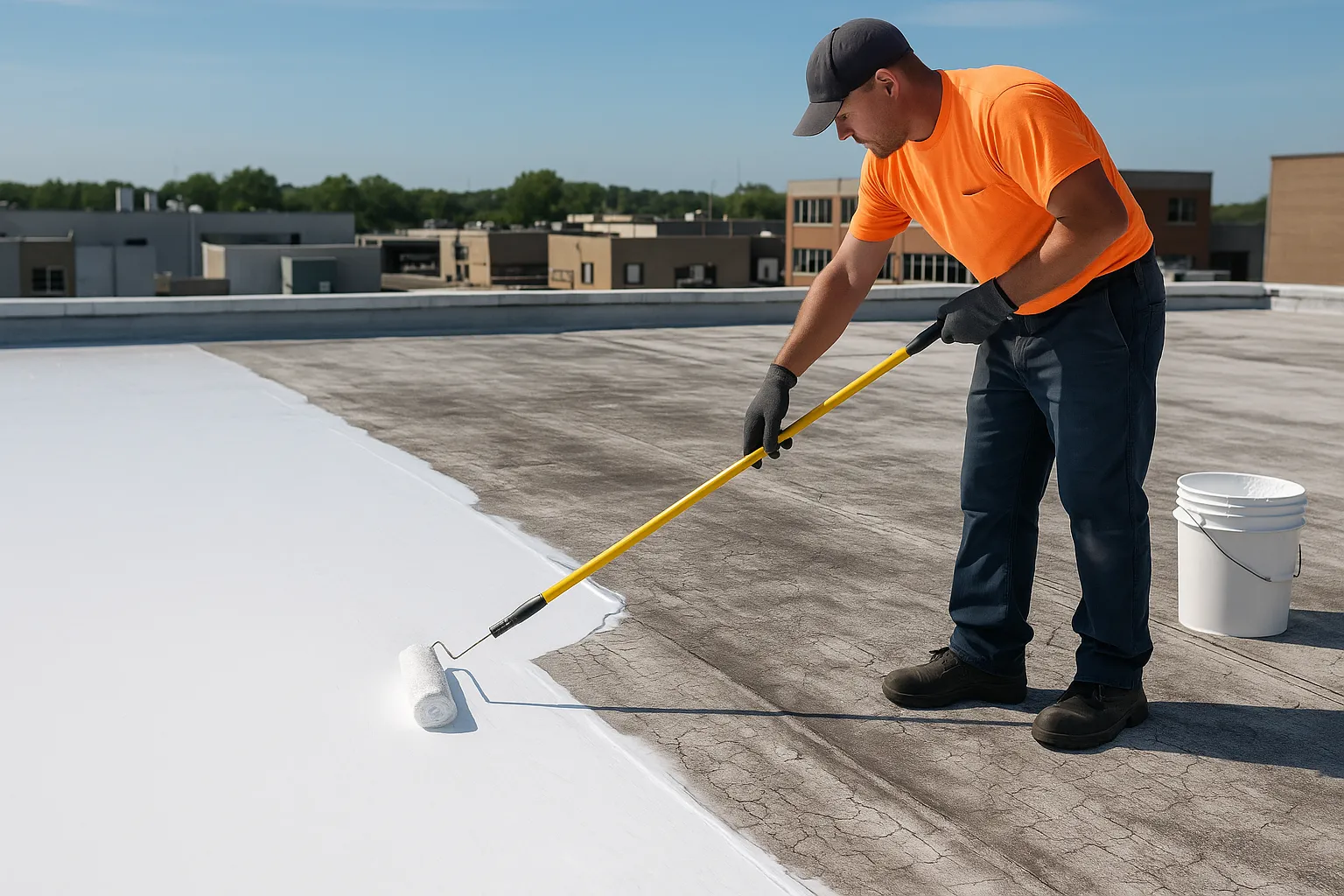
- 4. Clean thoroughly. Remove dirt, biological growth, loose material, oils, and other contaminants. Many systems require pressure washing and complete drying before application.
- 5. Repair all defects first. Fix seams, flashings, penetrations, cracks, blisters, and rusted areas before coating.
- 6. Prime where required. Use the primer specified for the substrate, especially on difficult or corroded surfaces.
- 7. Apply the silicone coating at the specified rate. Follow manufacturer instructions for mil thickness, coverage, temperature, and weather conditions.
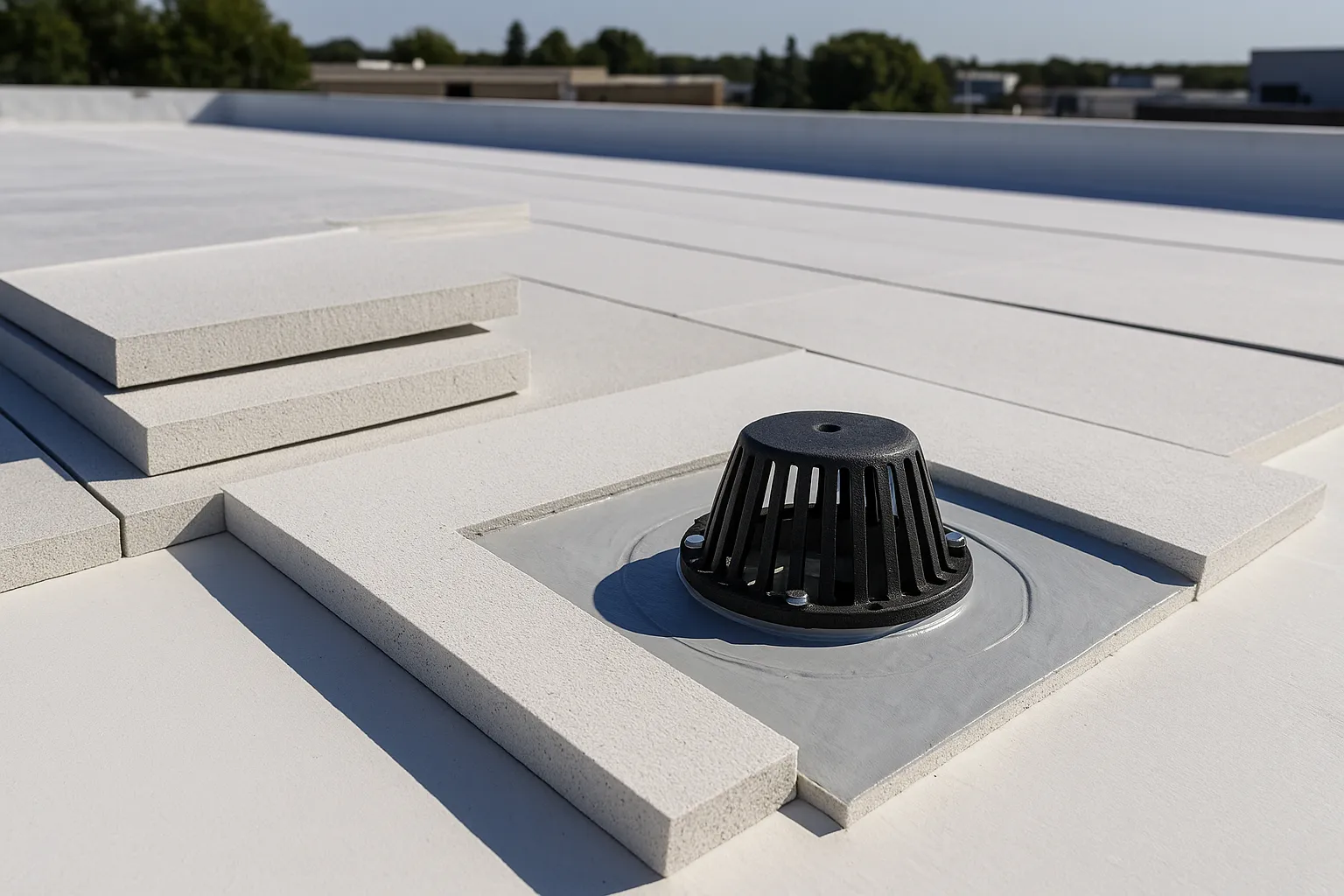
- 8. Inspect the finished surface. Verify coverage at seams, flashings, drains, edges, and penetration points.
- 9. Document the project. Keep photos, product data, batch numbers, warranty documentation, and maintenance records.
For commercial property teams, this documentation is important because it supports warranty claims, future maintenance, and capital planning.
Pre-Project Checklist for Facility and Property Managers
Before approving a silicone roof coating project, confirm the following:
- Roof age and condition have been documented.
- Leak history has been reviewed for repeat problem areas.
- Moisture intrusion has been investigated where needed.
- Drainage and ponding conditions have been mapped.
- All flashings, seams, penetrations, and terminations have been surveyed.
- Compatibility with the existing roof system has been confirmed.
- Manufacturer warranty terms have been reviewed.
- Weather window and cure requirements fit the project schedule.
- Tenant operations and access restrictions have been coordinated.
This checklist helps commercial teams avoid the common mistake of treating a coating project like a simple maintenance task. It is a roof restoration decision with operational, budget, and risk implications.
Cost, ROI, and When Repair Beats Coating or Replacement
Silicone roof coating is often evaluated as part of a three-way decision: targeted repair, coating restoration, or full replacement. The right answer depends on roof condition, remaining service life, and business risk.
Repair is usually best when the problem is isolated, such as one leak, one seam, or one flashing detail. Coating is more attractive when the roof is broadly weathered but still viable, and the owner wants to extend service life while controlling capital expense. Replacement is the better choice when the roof is end-of-life, structurally compromised, or too saturated for restoration.
From an ROI standpoint, the practical value of silicone roof coating is often deferred replacement, fewer emergency leak responses, and better predictability in maintenance planning. For facilities with active operations, that can matter as much as direct material cost. A coating project may also reduce disruption compared with tear-off, which is especially relevant for healthcare, retail, logistics, and occupied multifamily assets.
Commercial teams should compare the project not only on upfront cost but also on downtime, tenant impact, and the likelihood of recurring leak calls. If a coating can stabilize a roof and buy meaningful time before replacement, it may be the most efficient short-term capital strategy.
Maintenance, Warranty, and Ongoing Risk Management
Silicone roof coating does not eliminate the need for maintenance. In fact, a coated roof should be inspected regularly because drains, seams, flashings, and penetrations remain common failure points on commercial buildings.
- Inspect after major storms and seasonal temperature swings.
- Keep drains and gutters clear so ponding does not worsen.
- Watch for mechanical damage from HVAC work, traffic, or rooftop service.
- Track any repaired areas and confirm they remain sealed.
- Retain warranty documents and note any exclusions tied to substrate condition or maintenance obligations.
For facility managers, the best outcome is not just a coated roof, but a managed roof asset with documented inspections, timely repairs, and clear next-step planning. Silicone roof coating can be a valuable part of that strategy when it is used on the right roof, with the right prep, by the right contractor.
Frequently Asked Questions
How long does silicone roof coating last on a commercial roof?
Service life depends on substrate condition, prep quality, coating thickness, drainage, climate, and maintenance. In commercial use, silicone coating is generally evaluated as a restoration layer intended to extend roof life rather than replace structural components. For facility managers, the practical question is whether the coating buys enough additional years to justify deferring replacement and reducing near-term leak risk.
Can silicone roof coating stop ponding water on a flat roof?
Silicone roof coating is commonly used in areas with ponding water because silicone resists standing water better than many other coating types. However, it does not fix the drainage problem that caused ponding. Facility managers should treat ponding as a design and maintenance issue first, then use coating as part of a broader water-management plan.
What should buyers ask a contractor before approving a silicone roof coating project?
Ask whether the roof is a true restoration candidate, what substrate preparation will be performed, whether adhesion testing will be done, what primer is required, what warranty is available, and how wet areas or damaged flashings will be handled. Commercial buyers should also ask for written documentation of inspection results and repair scope before coating begins.
Is silicone roof coating a good option for occupied buildings?
Yes, it can be, because coating projects may be less disruptive than tear-off and replacement. That said, occupied buildings still require access planning, odor and safety coordination, tenant communication, and weather scheduling. For offices, retail, healthcare, and warehouses, the value is often reduced downtime and fewer intrusive construction impacts.
Related Reading on My Roofing Tech
- Commercial Roofing Industry News: What Facility Managers Need to Know
- Roof Coating Guide for Commercial Buildings: When to Repair, Restore, or Replace
Find a Qualified Commercial Roofing Contractor
Need help acting on this? Browse roofing contractors in your area, or explore commercial roofing services like preventative maintenance, inspections, and emergency response. Are you a contractor? List your business on My Roofing Tech to reach property and facility managers actively searching for help.