 My Roofing Tech
Commercial Roofing Industry News: What Facility Managers Need to Know
Quick Answers for Property & Facility Managers
What should facility managers take away from a commercial roofing industry-news roundup?
For facility managers, a commercial roofing industry-news roundup is a signal to review maintenance priorities, vendor relationships, and capital plans. The most useful takeaway is whether the news suggests changes in materials, labor availability, code compliance, or warranty expectations that could affect a roof asset in the next 6 to 12 months.
How does roofing industry news affect commercial property budgets and planning?
Roofing industry news can affect budgets by changing repair timing, replacement strategy, and procurement assumptions. If manufacturers, distributors, or standards bodies are making moves, property teams may need to confirm lead times, inspect vulnerable roof areas sooner, and update preventive maintenance plans before small issues become capital events.
Why should commercial real estate professionals monitor roofing market updates?
Commercial real estate professionals should track roofing updates because the roof influences occupancy, lease risk, insurance documentation, and asset value. Changes in codes, warranties, or product availability can alter project scope and timing, especially on low-slope systems where leaks, ponding, and wind-uplift performance drive operating cost.
Commercial roofing industry news matters more to building operations than to the headlines
For facility managers, property managers, and commercial real estate professionals, roofing industry news is not just market commentary. It can affect inspection schedules, maintenance priorities, warranty expectations, and capital planning for low-slope and steep-slope commercial assets. Roofing Magazine’s August 12 roundup is presented as a general industry update, which means the practical value is in the signals it sends about the broader commercial roofing environment, not in a single project announcement.
That is especially important for office, retail, industrial, warehouse, healthcare, and institutional buildings, where a roof failure can disrupt tenants, operations, inventory, or sensitive equipment. The right response is to translate industry news into action: review roof condition, verify documentation, and make sure your current service strategy still fits the building’s risk profile.
What this means for facility managers, property managers, and CRE teams
The most useful question is not “What happened in the news?” but “What does it mean for my roof asset?” In commercial roofing, broad industry updates often point to practical issues such as product availability, contractor capacity, evolving warranty requirements, or shifts in maintenance expectations. Those factors can influence whether a roof gets a simple repair, a restoration plan, or a full replacement strategy.
- Operational risk: Even small roofing disruptions can affect tenants, production, patient care, or distribution schedules.
- Budget timing: News about materials or market activity can change how soon a project should be scoped and bid.
- Documentation: Maintenance logs, inspection reports, and repair records matter for warranty and insurance support.
- Asset planning: A roof that is nearing end of service life should be tracked as a capital item, not a reactive expense.
For building teams, the practical takeaway is to treat industry news as a cue to revisit roof condition data, especially if the building has recurring leaks, ponding water, aged seams, or past storm damage.
Code compliance and performance standards remain the baseline
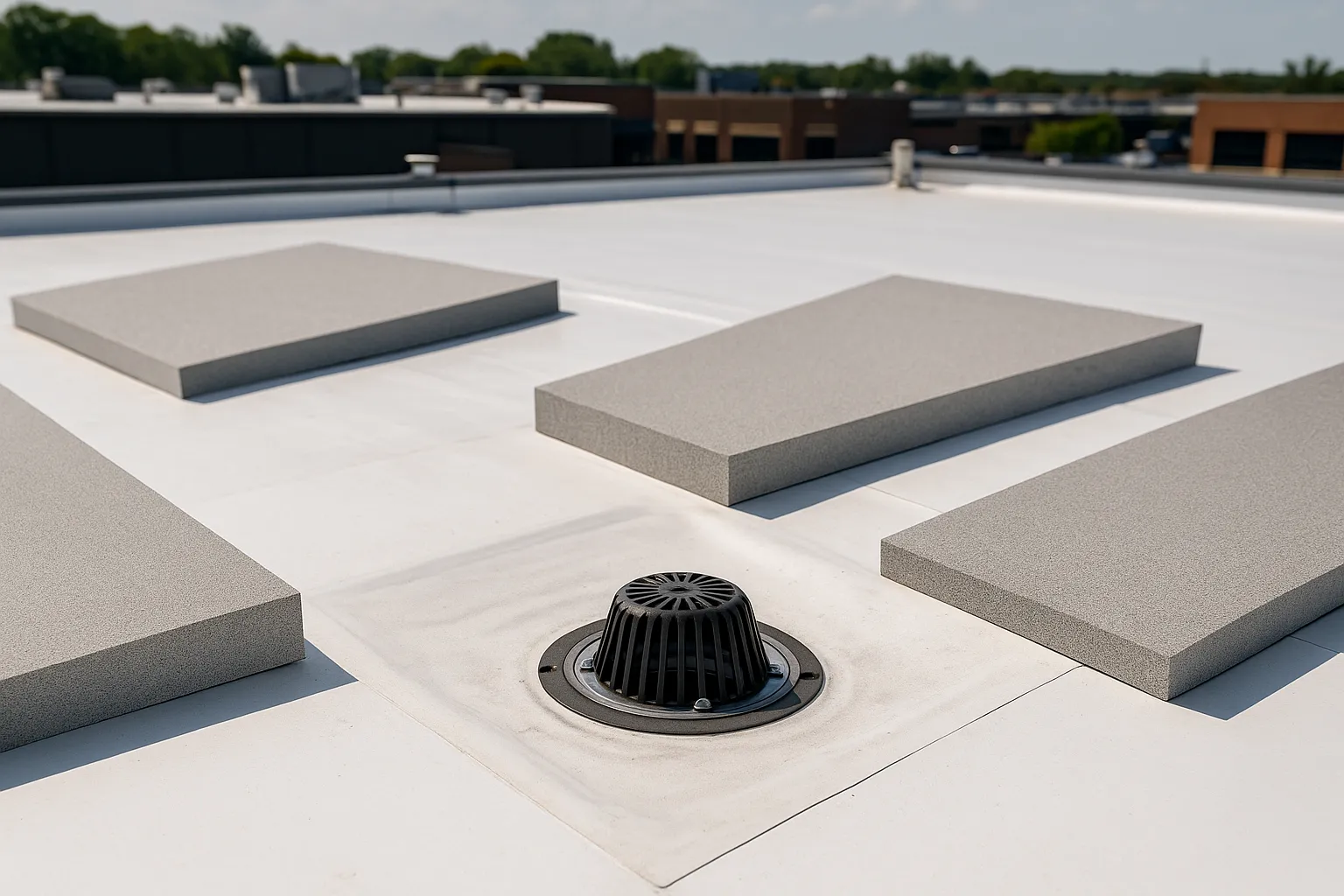
Any commercial roofing update should be viewed through the lens of code and performance requirements. The International Building Code includes roofing-related provisions that affect roof coverings, drainage, wind resistance, fire classification, and reroofing scope. In many markets, energy codes and cool-roof requirements can also affect system selection, especially where reflectivity or thermal performance is part of local compliance.
For facility teams, that means roof decisions should not be driven only by short-term cost. The selected system must align with the building’s structural conditions, local code requirements, and manufacturer instructions. That applies across common commercial systems such as TPO, PVC, EPDM, modified bitumen, BUR, and metal roofing.
Industry organizations and standards also matter. NRCA guidance is widely used in commercial roofing practice, while ASTM standards are often referenced for material testing and performance characteristics. FM Global recommendations are especially relevant for owners who want to reduce property-loss risk and improve insurance acceptability. When a project involves reroofing or restoration, these references help define the difference between a fast fix and a durable solution.
Low-slope roof systems need close attention to water management and wind uplift
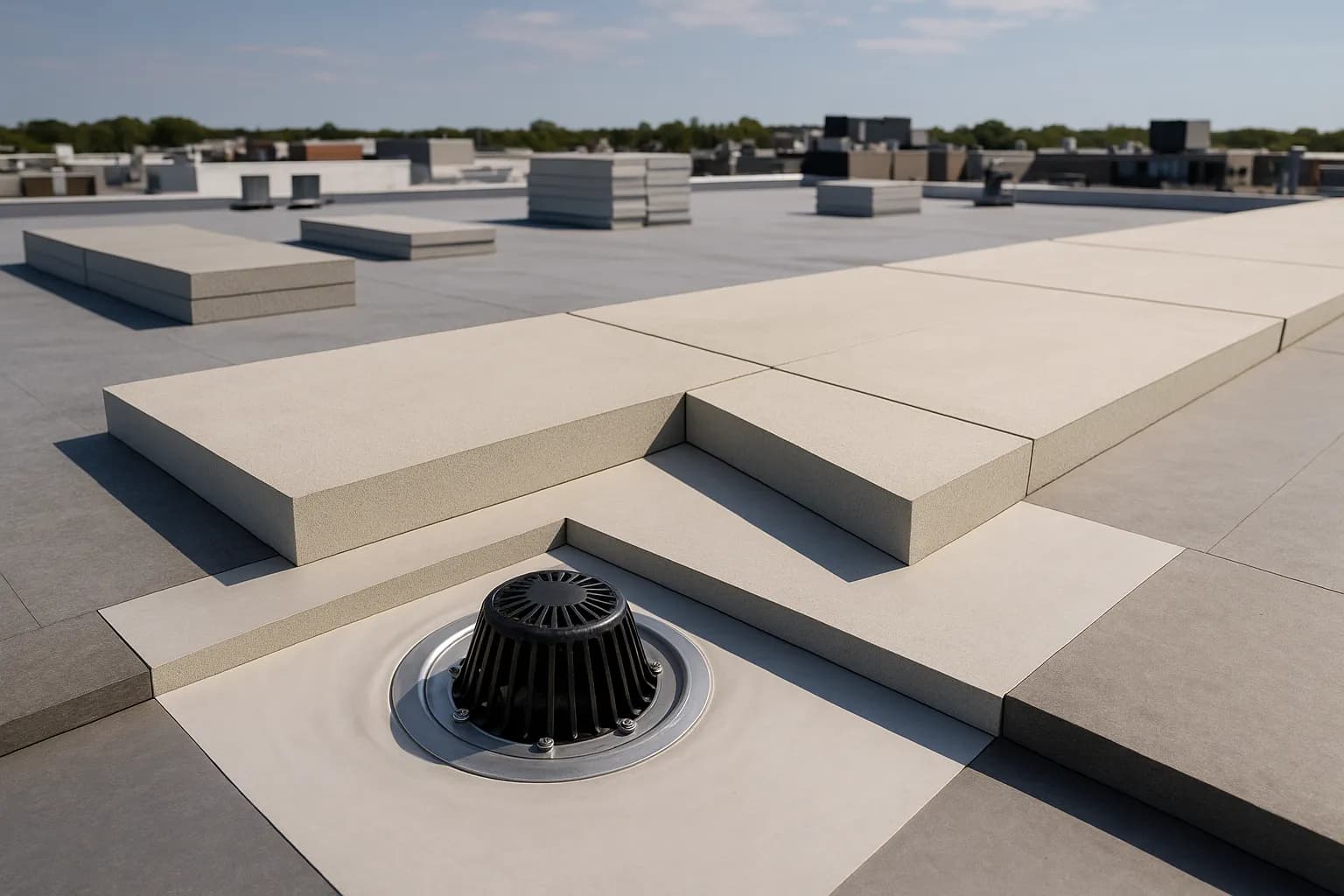
For most commercial properties, the real roof risk is not dramatic failure but slow deterioration. Low-slope roofs are vulnerable to ponding water, seam stress, flashing defects, punctures, and drainage problems. Over time, those issues can lead to leaks, insulation saturation, and hidden deck damage that raises repair cost.
Wind uplift is another major factor, particularly on large roof expanses common to warehouses, distribution centers, schools, and retail centers. If a roof system is not properly attached, detailed, or maintained, wind events can expose weak points long before the membrane reaches its expected service life. That is why project planning should include attachment design, edge-metal performance, and flashing condition—not just membrane type.
- TPO and PVC: Often selected for reflectivity and welded seams, but still dependent on quality detailing and maintenance.
- EPDM: Common on low-slope buildings, with performance tied to seam integrity, flashings, and puncture resistance.
- Modified bitumen and BUR: Proven systems that still require attention to surfacing, seams, and drainage.
- Metal roofing: Durable, but vulnerable at fasteners, transitions, and penetrations if not inspected regularly.
Industry news is useful when it reminds teams that system performance is operational, not theoretical. A roof performs only as well as its weakest detail.

Manufacturer warranties and service documentation should be checked now, not after a leak
One of the most important implications of any roofing market update is warranty discipline. Manufacturer warranties often depend on approved materials, proper installation, routine maintenance, and timely repair of known issues. If a facility team waits until active leaks appear, it may already be too late to preserve coverage for the underlying condition.
That makes documentation a financial tool, not an administrative chore. Keep records of inspections, photos, leak-response work, core cuts if applicable, and any repairs performed by qualified contractors. If the building has received prior restoration or recover work, verify that those repairs did not introduce a conflict with the original warranty or maintenance requirements.
For portfolio managers, this is also the moment to confirm who owns the roof record. A clean file should show roof age, system type, prior repairs, manufacturer details, warranty terms, and current condition. Without that information, capital planning becomes guesswork.
What to do next after reading a roofing industry roundup
A roofing news roundup should lead to a short list of practical actions. The goal is to lower risk before the next weather event, tenant complaint, or budget cycle.
- Schedule a roof assessment: Focus on seams, flashing, drains, penetrations, and ponding areas.
- Review warranty status: Confirm coverage terms, maintenance obligations, and any exclusions.
- Check code exposure: Verify whether reroofing, insulation changes, or cool-roof requirements have local implications.
- Update your vendor list: Use contractors with proven experience in your roof system and building type.
- Document everything: Keep clear records for ownership, insurance, and future project bidding.
For multi-building portfolios, these steps should be prioritized by asset criticality. A healthcare roof, a mission-critical warehouse, and a suburban office building may all need different response timelines, even if they share the same membrane type.
Why industry news should feed your preventive maintenance program
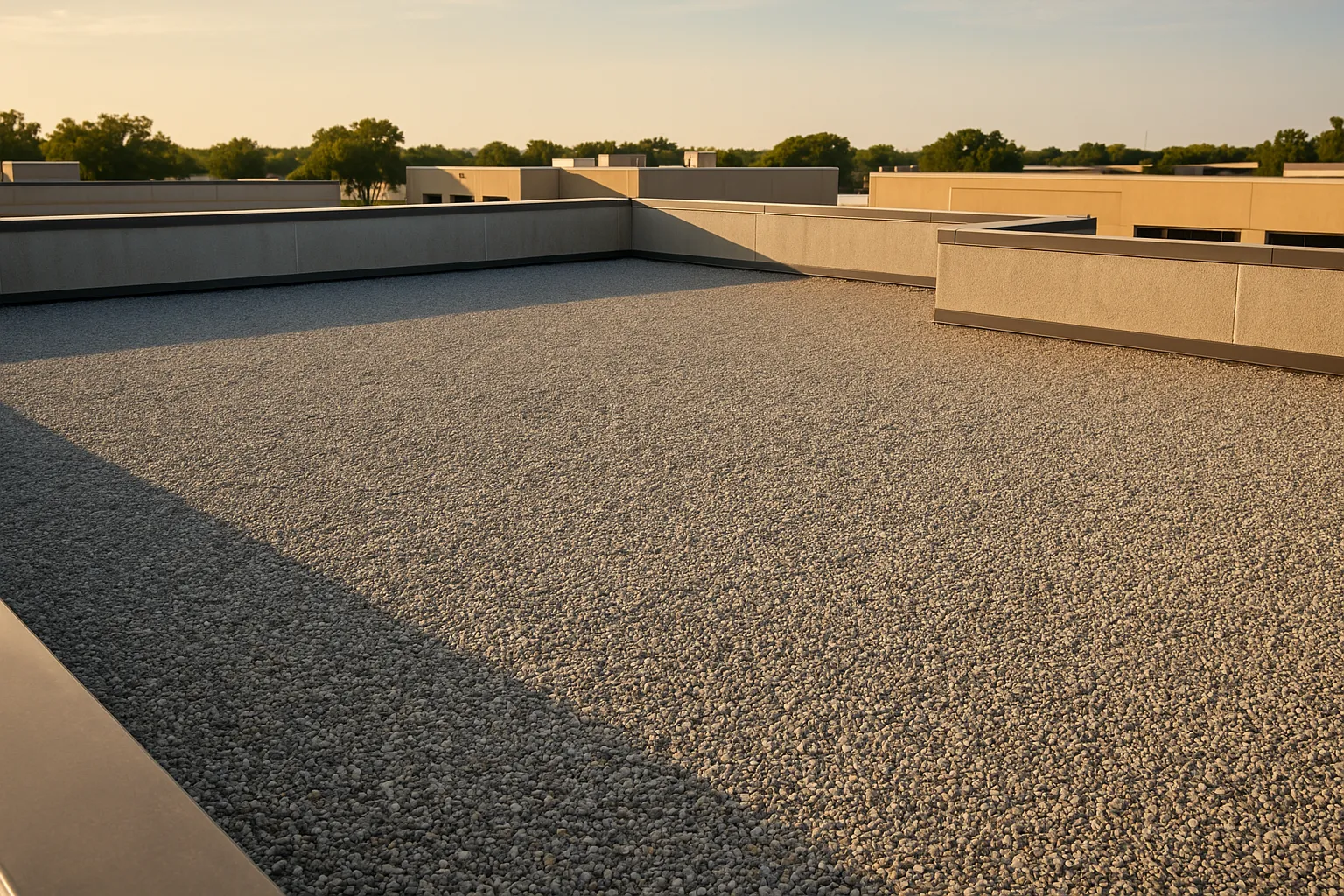
Commercial roof maintenance works best when it is proactive. Industry updates are valuable because they help property teams avoid reactive decision-making and anticipate changes that can affect service life, repair urgency, or replacement timing. A strong preventive program does not wait for visible leaks; it tracks likely failure points and acts before interior damage occurs.
That approach aligns with how NRCA-style maintenance thinking is applied in the field: inspect regularly, repair quickly, document thoroughly, and plan capital work based on actual roof condition. For facility managers, property managers, and commercial real estate professionals, the business case is straightforward. Better roof information supports better budgeting, better tenant continuity, and better long-term asset protection.
Frequently Asked Questions
How often should a commercial roof be inspected after major industry or weather updates?
Commercial roofs should be inspected at least twice a year and after major weather events, repairs, or significant industry changes that could affect materials, warranties, or contractor availability. For facilities with critical operations, more frequent walk-throughs are often justified. The inspection should focus on seams, flashing, drains, edge metal, penetrations, and any signs of ponding or membrane movement.
What roof details matter most for warranty compliance on commercial buildings?
The most important warranty details are documented maintenance, prompt leak repair, approved materials, and workmanship that follows manufacturer requirements. Facility teams should keep records of inspections, photos, invoices, and any corrective work. If the system is modified, restored, or reroofed, confirm that the changes do not void coverage or conflict with the original warranty terms.
Which commercial roof systems are most sensitive to maintenance gaps?
All commercial roof systems need maintenance, but low-slope membranes such as TPO, PVC, EPDM, and modified bitumen are especially sensitive to seam issues, flashing failures, drainage problems, and punctures. Metal roofs also need attention at fasteners, transitions, and penetrations. The key is not the system alone, but whether detailing and maintenance are matched to the building’s exposure.
How does roofing industry news help with capital planning?
Roofing industry news helps capital planning by highlighting conditions that can change project timing, procurement, and scope. If materials, code expectations, or service capacity are shifting, property teams may need to move inspections earlier, reserve funds sooner, or accelerate replacements for roofs already near end of life. That reduces emergency spending and tenant disruption.
What should CRE teams ask before approving a major roofing project?
Before approving a major roofing project, CRE teams should ask about system compatibility, code compliance, wind-uplift design, manufacturer warranty eligibility, schedule impact, and the contractor’s experience with similar commercial buildings. They should also confirm how repairs, drainage, insulation, and flashing details will be documented for future ownership, insurance, and maintenance needs.
Related Reading on My Roofing Tech
- Roof Coating Guide for Commercial Buildings: When to Repair, Restore, or Replace
- SRS Distribution Acquires CORCO Commercial Roofing Division: What Chicago Facility Managers Need to Know
Find a Qualified Commercial Roofing Contractor
Need help acting on this? Browse roofing contractors in your area, or explore commercial roofing services like preventative maintenance, inspections, and emergency response. Are you a contractor? List your business on My Roofing Tech to reach property and facility managers actively searching for help.
Sources
Originally sourced from Roofing Magazine