 My Roofing Tech
9 Major Commercial Roofing Developments Facility Managers Must Watch
Quick Answers for Property & Facility Managers
How do this week’s 9 major commercial roofing developments affect my capital planning and roof strategy?
These 9 developments influence roof system selection, lifecycle costs, and compliance risk. New materials and adhesives widen options for cold-climate single-ply projects, M&A activity may change warranties and support, and policy shifts like Toronto’s green roof repeal signal evolving code and ESG expectations that owners should track with their roofing consultant.
What does Tremco CPG’s acquisition of LiteForm LLC mean for commercial building envelopes?
Tremco CPG’s acquisition of LiteForm LLC expands its insulated concrete form (ICF) building envelope portfolio, giving owners more integrated structural and thermal options tied to a single manufacturer. This can streamline compatibility, detailing, and warranty coordination between walls and roof systems, especially for energy-conscious, durability-focused commercial projects.
How relevant is OMG Roofing’s new OlyGlu cold-weather adhesive system for my single-ply roof projects?
OMG Roofing’s OlyGlu canister adhesive system is designed to improve cold-weather installation of single-ply membranes, where traditional adhesives struggle with cure times and bond quality. For facility managers in colder regions, it can reduce weather-related delays and help maintain adhesion performance during late-season or winter roof work.
Nine new commercial roofing developments owners cannot ignore
Nine recent developments in the commercial roofing sector highlight how rapidly roof technology, policy, and manufacturer strategy are evolving. These shifts touch building envelope design, cold-weather installation of single-ply membranes, and the future of sustainability mandates such as green roofs. For property managers, facility leaders, and building owners, the question is not just “what happened?” but “how should we adjust our roofing plans, budgets, and risk models?”
This article focuses on what these changes mean at the portfolio and project level. We will connect the news items to established guidance from bodies such as the NRCA, IBC roofing provisions, FM Global, ASTM roofing standards, and energy codes like California Title 24, so you can translate headlines into concrete capital planning and maintenance decisions.
Tremco CPG and LiteForm: integrated ICF building envelopes and roof performance
One of the most consequential developments is Tremco CPG’s acquisition of LiteForm LLC, a manufacturer of insulated concrete form (ICF) systems for walls and building envelopes. ICF combines concrete with continuous insulation, improving structural performance and thermal efficiency at the same time.
For commercial building owners, the key impact is the closer integration between wall assemblies and roofing systems under a single building envelope supplier. When wall insulation, air barriers, and roof components are coordinated, it becomes easier to:
- Limit thermal bridging at parapets and roof-to-wall transitions, improving energy performance and helping meet increasingly stringent energy codes.
- Standardize details that align with IBC roofing provisions on drainage, load paths, and fire resistance, reducing design conflicts between trades.
- Align warranties across the envelope, minimizing gaps between wall and roof coverage and simplifying responsibility if moisture intrusion or condensation occurs.
Owners planning new construction, deep energy retrofits, or envelope upgrades should ask their design team how an integrated ICF and roof approach could improve lifecycle cost and reduce risk. This is particularly relevant for high-occupancy buildings such as schools, healthcare facilities, and multifamily properties where envelope performance ties directly to comfort, energy use, and resilience.
Cold-weather single-ply installation: OMG Roofing’s OlyGlu system
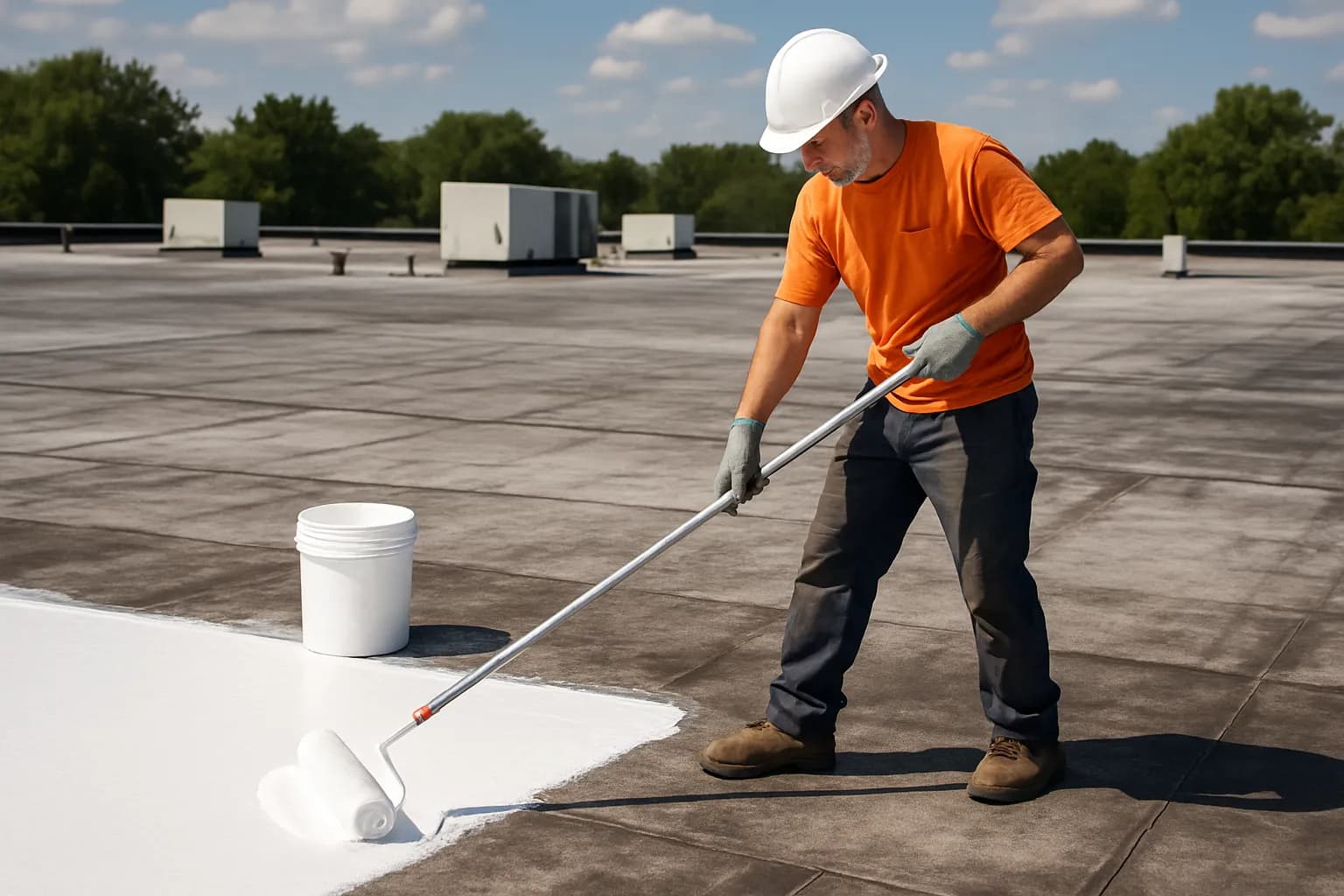
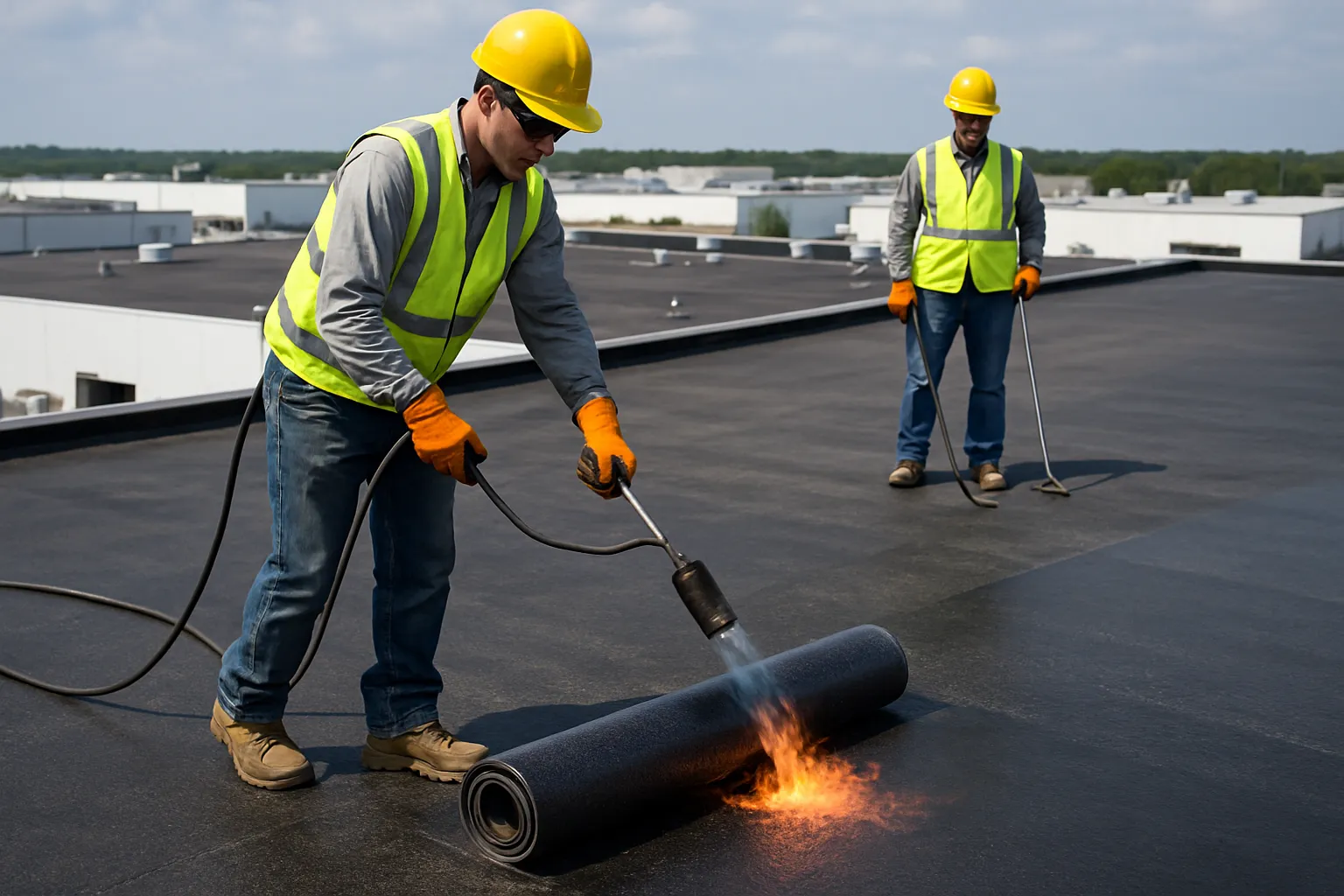
Another notable development is OMG Roofing Products’ introduction of OlyGlu, a cold-weather canister adhesive system for single-ply membranes. Facility managers in northern climates know that EPDM, TPO, and PVC installations can be challenged by low temperatures: traditional adhesives are sensitive to substrate temperature, cure times lengthen, and bond quality can suffer if materials are pushed outside manufacturer recommendations.
A purpose-built cold-weather adhesive system matters for several reasons:
- Weather window expansion: Projects historically constrained to mild-temperature seasons can extend into late fall or winter, improving scheduling flexibility for capital work without over-reliance on emergency repairs.
- Warranty compliance: Membrane manufacturers often specify minimum installation temperatures and compatible adhesive systems. Using a cold-weather-tested product can help ensure installations remain within the parameters needed to preserve long-term warranties.
- Labor efficiency: Canister systems typically allow faster application and more consistent coverage than some traditional adhesives, which can shorten roof disruption time for occupied facilities.
For owners planning TPO, PVC, or EPDM projects in cooler regions, the practical step is to ask your roofing contractor and design professional whether cold-weather adhesive options are specified, and confirm that manufacturer warranties explicitly recognize those products. In FM Global-insured properties, it is also important to verify that any new adhesive systems align with FM wind-uplift and attachment criteria for the chosen membrane and deck type.
Toronto’s green roof mandate repeal: policy signals for urban roofing
Toronto has been widely cited as a pioneer in requiring green roofs on certain buildings. The recent repeal of its green roof mandate by higher authorities alters the regulatory landscape and signals tension between first-cost savings and long-term sustainability goals. While this change is local, it will be watched closely by other municipalities and by owners managing national portfolios.
For property and facility managers, the core takeaways are:
- Policy can move in both directions: Even established sustainability requirements can be relaxed or removed, which affects how you plan multi-decade roof strategies and ESG reporting.
- Voluntary adoption may grow: Some owners will continue installing green roofs or high-performance cool roofs to meet internal carbon, resilience, or wellness targets, even when mandates soften.
- Codes still matter: Even without a green roof mandate, IBC roofing provisions, local stormwater ordinances, and energy codes still govern roof design. For example, energy-focused codes and cool-roof standards like California Title 24 continue to raise expectations around reflectivity and thermal performance.
Owners should treat the Toronto development as a reminder to regularly review local code changes and sustainability incentives in each jurisdiction. A shift away from mandates may increase flexibility in roof selection, but it also puts more responsibility on the owner to choose systems that balance long-term durability, energy performance, and stormwater management without relying solely on prescriptive requirements.
Energy and cool-roof codes: Title 24 and beyond
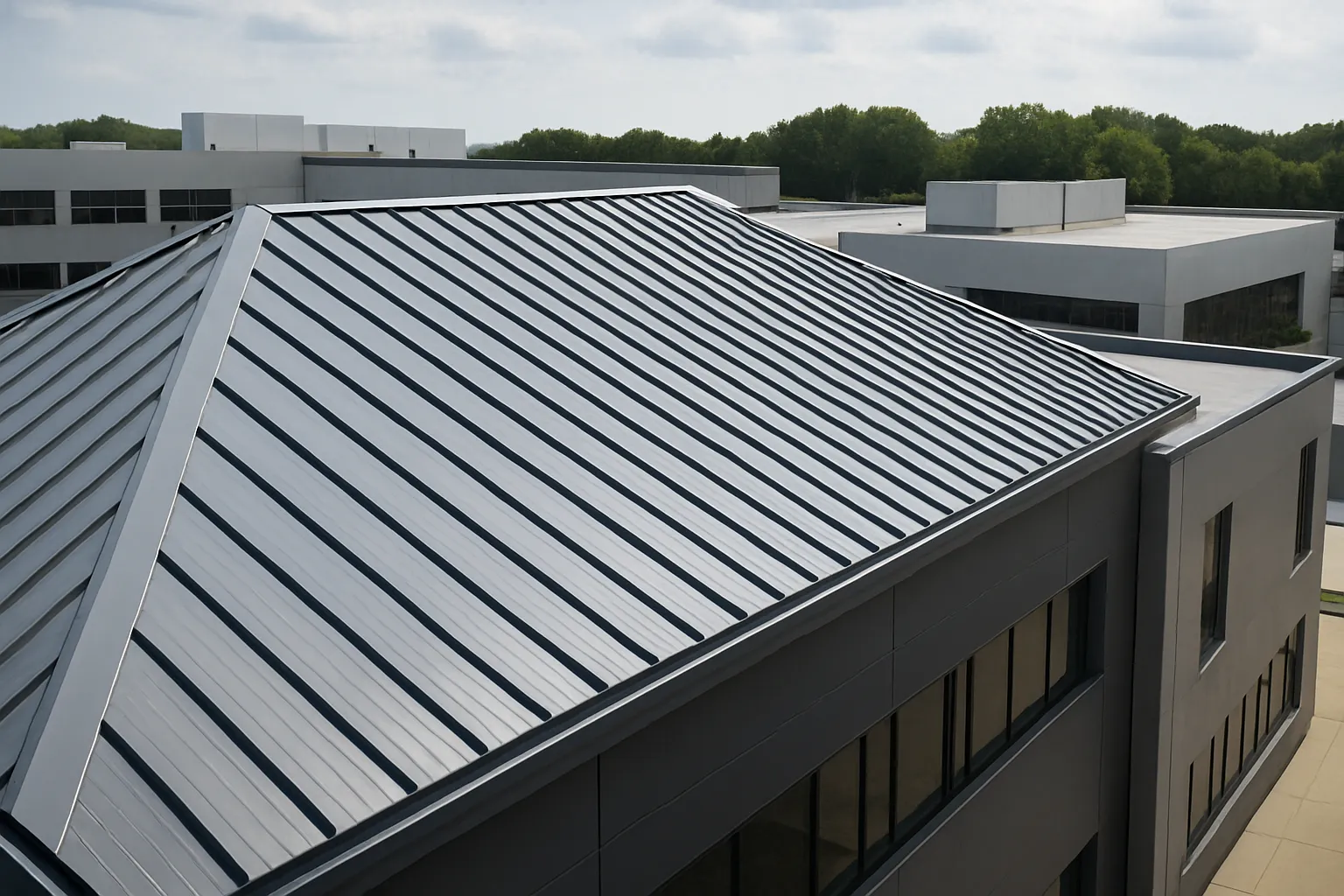
While not new this week, ongoing changes to energy codes such as California’s Title 24 provide critical context for interpreting these developments. Title 24 is expanding cool roof requirements for commercial buildings, raising minimum Solar Reflectance Index (SRI) values and extending reflective roof mandates to more re-roof and new construction projects. This trend is consistent with a broader push for roofs that reduce heat gain and support grid resilience.
When viewed alongside new building envelope solutions and adhesive technologies, energy code changes imply:
- Roof material choice is increasingly regulated: Owners must consider SRI, emissivity, and insulation levels for TPO, PVC, coatings, and other systems, not just initial cost.
- Integration with insulation and wall systems is critical: ICF walls, high-R roof assemblies, and air barrier continuity help ensure the building meets modeled performance, not just prescriptive requirements.
- Capital planning must anticipate upgrades: Over the lifecycle of a commercial property, roofs will likely be replaced under stricter energy codes than when the building was originally constructed.
Facility managers should coordinate with their energy consultants and roofing designers to verify that planned systems will comply with the most current adopted codes in each jurisdiction and consider how upcoming code revisions could affect future re-roofs, particularly for large campuses or portfolios.
Risk management, warranties, and standards in a changing roofing market
The developments summarized this week fit into a larger pattern: more specialized products, evolving sustainability policies, and tighter performance expectations. NRCA guidelines, ASTM roofing standards, IBC provisions, and FM Global recommendations remain the backbone of responsible roof design and maintenance.
From a risk and warranty perspective, building owners should focus on:
- System-level thinking: Treat the roof as a system—including membrane, insulation, deck, adhesives, fasteners, and walls—rather than a standalone component. Integrated envelope offerings from manufacturers can reduce coordination risk but make it more important to understand overall warranty terms.
- Compliance documentation: As codes and products change, maintaining clear documentation of design decisions, product approvals, and installation conditions is critical for claims and resale value.
- Performance verification: Regular inspections, roof condition assessments, and adherence to manufacturer maintenance requirements help ensure warranties remain in force and that the roof performs as modeled.
Owners should work with roofing professionals who are familiar with NRCA best practices, relevant ASTM standards for materials and testing, and FM Global or other insurer-specific requirements for wind uplift, fire, and impact where applicable.
Practical action items for property and facility managers
To convert these nine developments into practical portfolio decisions, property managers, facility managers, and building owners can take several concrete steps:
- Review upcoming projects for opportunities to use integrated envelope systems (such as ICF with compatible roof assemblies) where they improve energy performance and warranty clarity.
- Discuss cold-weather installation strategies with your roofing contractor, including whether products like canister adhesive systems for single-ply membranes are appropriate and recognized by your chosen membrane manufacturer.
- Update your code tracking process for each jurisdiction, noting changes to green roof mandates, stormwater rules, and energy codes like Title 24 that influence roof design and lifecycle planning.
- Engage risk management and insurers to ensure new products and assemblies align with FM Global or other insurer requirements, especially for high-value industrial, logistics, and mission-critical facilities.
- Align ESG and capital plans by determining where voluntary high-performance roofs—cool roofs, vegetated roofs, or advanced insulation systems—make sense even when mandates evolve or are repealed.
By treating these developments as signals rather than isolated news items, owners and facility managers can position their portfolios for better performance, fewer surprises at re-roofing time, and stronger resilience to regulatory and market change.
Frequently Asked Questions
How should building owners adjust roof capital plans as commercial roofing technologies evolve?
Owners should move from a purely replacement-based mindset to a lifecycle strategy. Evaluate whether newer systems—such as integrated envelope solutions or cold-weather adhesives—can reduce long-term risk, improve energy performance, and preserve warranties. Tie roof investments to code compliance, ESG goals, and insurer expectations to optimize ROI over 20–30 years.
Do policy changes like Toronto’s green roof repeal reduce my obligation to invest in sustainable roofs?
Policy shifts may change mandatory requirements, but they do not remove pressure from energy codes, ESG reporting, or tenant expectations. Sustainable roof choices—cool roofs, robust insulation, or selective green roofs—can still lower operating costs, improve resilience, and enhance asset value, even when local mandates soften or are repealed.
What criteria should facility managers use when evaluating new adhesive or membrane technologies?
Focus on manufacturer approvals, warranty compatibility, code and standard compliance, and third-party testing. Confirm the product is recognized by membrane manufacturers, meets ASTM standards where applicable, and aligns with IBC and FM Global requirements for your building type. Ask for performance data under the specific climate and occupancy conditions your facility faces.
How do integrated envelope systems impact roof warranty and risk management?
When walls, insulation, air barriers, and roofs come from coordinated systems, it can simplify responsibility and reduce detailing conflicts. However, it also concentrates risk with fewer parties. Owners should carefully review warranty scope, exclusions, and required maintenance, and ensure independent design review so performance and durability are evaluated objectively.
What is the ROI case for upgrading to high-performance cool roofs beyond minimum code requirements?
The ROI depends on climate, utility rates, and building use, but in many warm or mixed climates, higher-reflectance roofs can cut peak cooling loads, reduce HVAC wear, and support comfort. When combined with good insulation and envelope detailing, they can contribute meaningfully to energy savings and ESG metrics, improving long-term asset competitiveness.
Related Reading on My Roofing Tech
- EnergySmart Roofing Membranes Upgraded for 2026 Cool-Roof Codes
- Sewer Line Replacement Cost: What Commercial Property Managers Need to Know
Find a Qualified Commercial Roofing Contractor
Need help acting on this? Browse roofing contractors in your area, or explore commercial roofing services like preventative maintenance, inspections, and emergency response. Are you a contractor? List your business on My Roofing Tech to reach property and facility managers actively searching for help.
Sources
Originally sourced from LinkedIn – Industry Analysis Post