 My Roofing Tech
Royalty Roofing USA Acquires Tingley Roofing: What Commercial Property Managers Need to Know
Quick Answers for Property & Facility Managers
What does the Royalty Roofing USA and Tingley Roofing acquisition mean for commercial property managers?
For commercial property managers, this acquisition signals a larger regional contractor platform with broader service coverage, especially in the Midwest. Potential benefits include expanded resources, more consistent response capacity, and access to a growing national roofing organization. It does not change roof performance by itself, but it may affect contractor selection and service availability.
Should facility managers change roofing vendors after a contractor acquisition?
Not automatically. Facility managers should review service agreements, warranty obligations, emergency response terms, and the contractor’s experience with their roof system before making changes. If a contractor’s ownership changes, confirm who will manage inspections, leak repairs, preventive maintenance, and manufacturer warranty work.
Does a roofing acquisition affect manufacturer warranties or maintenance programs?
It can, depending on whether the original service team remains intact and whether the company’s certified installers and administrative processes stay in place. Facility teams should verify warranty registration records, approved repair protocols, and preventive maintenance documentation after any acquisition.
Royalty Roofing USA’s Acquisition Matters for Commercial Roofing Buyers
Royalty Roofing USA has acquired Illinois-based Tingley Roofing, a move that expands the company’s commercial roofing footprint in the Midwest and marks its fourth acquisition in 2026. For facility managers, property managers, and commercial real estate professionals, the headline is not just corporate consolidation; it is a sign that regional roofing service networks are becoming larger, broader, and more competitive.
In practical terms, acquisitions like this can influence contractor availability, emergency response coverage, preventive maintenance capacity, and the consistency of service across multiple facilities. For owners of office, industrial, retail, healthcare, institutional, and multifamily assets, those operational details matter more than the ownership change itself.
What the Deal Means for Facility Managers and Property Portfolios
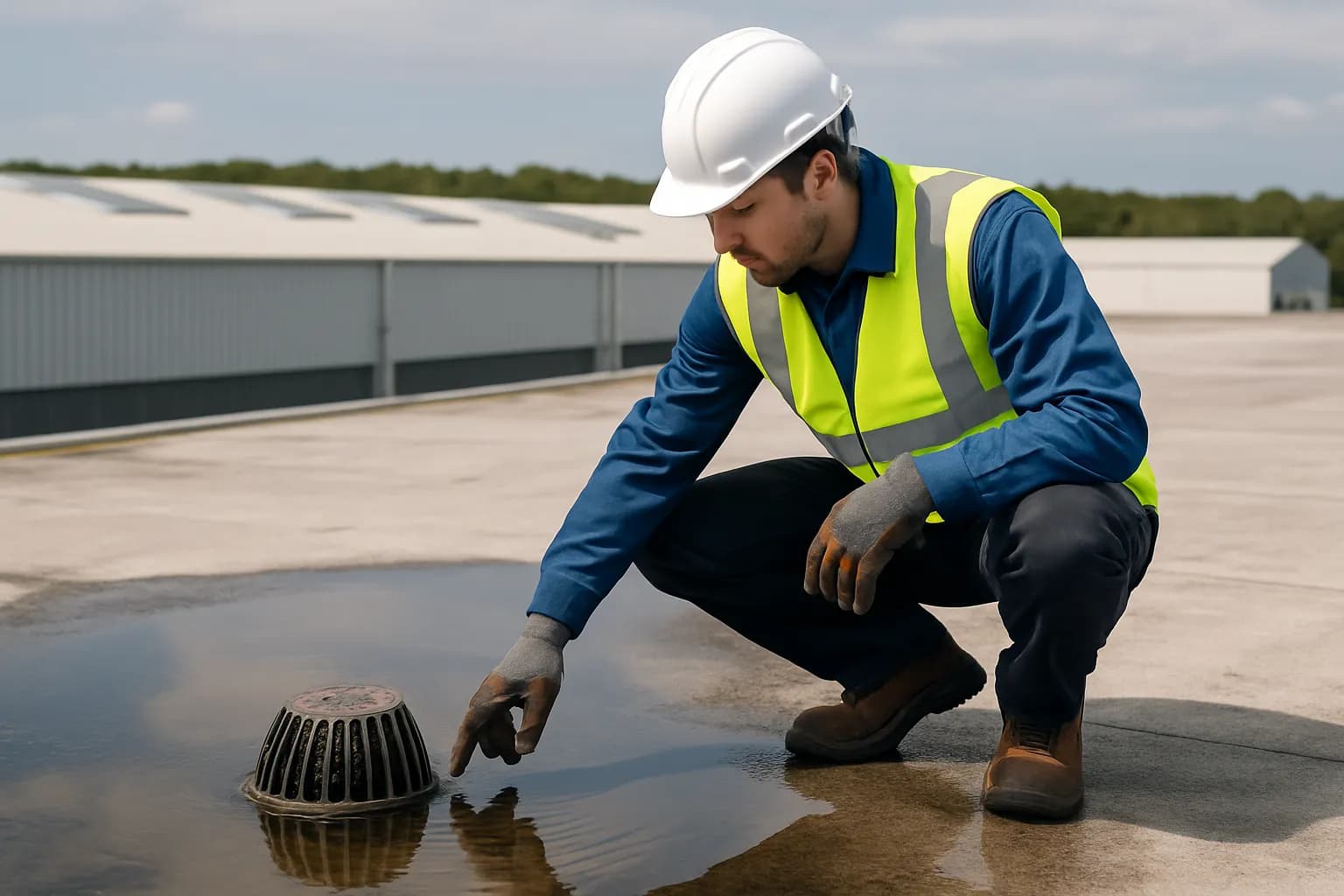
A larger contractor platform can be useful when a portfolio spans multiple markets or when a building needs coordinated service across several roof systems. Commercial roofs often require ongoing attention to membrane seams, flashing terminations, penetrations, drainage, and areas of ponding water, especially on flat and low-slope assemblies. A contractor with deeper geographic coverage may be better positioned to support recurring inspections, leak response, and planned repairs.
That said, the value of any acquisition depends on execution. Property teams should ask whether the local service personnel, technicians, and project managers who know the building remain in place, because institutional knowledge is often what keeps recurring leaks from becoming repeat emergency calls. The best commercial roofing vendors are not just installers; they are long-term maintenance partners.

Why Contractor Scale Matters for Commercial Roof Systems
Commercial roofing is not a one-size-fits-all service line. A warehouse with a TPO or PVC membrane has different maintenance needs than a hospital with critical operations, a retail center with daytime occupancy, or a multifamily building with rooftop equipment and frequent penetrations. Roofing contractors that grow through acquisition often do so to increase capacity across those varied asset types.
For property managers, scale can improve access to teams familiar with common commercial roof systems such as TPO, PVC, EPDM, modified bitumen, BUR, metal roofing, and fluid-applied coatings. It may also help with scheduling larger projects, such as re-roofing, recover systems, or phased replacements where building operations must continue during construction.
However, scale should never replace technical fit. A contractor’s experience with your exact roof assembly, substrate, and warranty requirements remains more important than company size alone.
What to Verify After a Roofing Company Acquisition
Whenever a commercial roofing contractor is acquired, facility teams should review a few key items before the next inspection cycle or capital project.
- Service continuity: Confirm who will respond to leak calls, after-hours emergencies, and scheduled maintenance visits.
- Warranty records: Verify roof warranty paperwork, registration status, and any approved repair procedures tied to the manufacturer.
- Installer qualifications: Ask whether crews remain certified for the membrane or system on your building.
- Local references: Check whether the team still has active experience in your market and building type.
- Documentation: Keep updated reports, photos, and maintenance logs for future claims or capital planning.
These steps are especially important on roofs with active leak histories, complex flashing details, rooftop mechanical units, or recurring ponding-water concerns. They also help preserve evidence if a warranty claim or insurance discussion becomes necessary later.
Code, Warranty, and Compliance Considerations for Commercial Buildings
For commercial real estate professionals, contractor consolidation should be viewed through the lens of compliance and risk management. Commercial roof systems are often designed around the International Building Code’s roofing provisions, local wind-uplift requirements, and project-specific specifications that may reference ASTM standards or FM Global guidance. In certain markets, cool-roof requirements and energy codes can also influence roof replacement choices, reflectivity, and insulation strategy.
That means the right contractor must understand more than installation. They should be able to coordinate with existing warranties, document repairs properly, and avoid field changes that could compromise code compliance or manufacturer coverage. This is especially important on roofs serving healthcare, institutional, and other mission-critical buildings where performance and documentation are both essential.
Facility managers should also confirm that any new corporate structure still supports the same level of technical documentation needed for manufacturer warranty claims, since even a small deviation in repair method can affect coverage. In commercial roofing, process matters as much as product.
How Property Teams Should Respond During the Next Roofing Cycle
The most useful response to this acquisition is not to react quickly, but to use the moment to strengthen procurement and maintenance practices. If your building is due for an inspection, that inspection should include seam integrity, flashing condition, drainage performance, penetration details, and evidence of water intrusion. If your roof is nearing replacement, request proposals that compare system options by lifecycle value, not just initial price.
For example, a low-slope office or industrial building may benefit from a TPO or PVC system with clear maintenance procedures and manufacturer-backed warranty options, while a repair-heavy roof may require targeted restoration or coating strategies to extend service life. In all cases, the contractor should be able to explain compatibility, wind-uplift considerations, and how the selected solution fits the building’s operating needs.
Acquisitions can also be a good time to reassess whether your current roofing partner is aligned with preventive maintenance goals. The best commercial roofing relationship reduces emergency spending, improves roof documentation, and supports longer asset life.
What This Signals About the Commercial Roofing Market
Royalty Roofing USA’s purchase of Tingley Roofing reflects a broader trend in commercial roofing: continued consolidation among service providers seeking larger regional reach and national scale. For building owners and managers, that trend can create both opportunity and risk. On one hand, larger platforms may offer more resources and broader service availability. On the other, buyers should be careful not to assume that size guarantees technical quality, responsiveness, or warranty expertise.
The right question is not simply who owns the company today. It is whether the contractor can still deliver reliable inspections, leak response, capital project support, and documentation for the specific roof systems protecting your properties. That is the standard commercial real estate teams should use when evaluating any roofing provider, before or after an acquisition.
Frequently Asked Questions
How should a facility manager evaluate a roofing contractor after a merger or acquisition?
Start with operational fit: response time, service coverage, warranty handling, and technical experience on your exact roof system. Then confirm whether the local team, management structure, and documentation process remain stable. For commercial portfolios, continuity matters because roof leaks, flashing failures, and drainage issues often require fast, informed decisions.
Does contractor consolidation usually affect commercial roof pricing?
It can, but not in a predictable way. Larger platforms may gain purchasing power and broader staffing, while also carrying higher overhead. Property managers should compare proposals on scope, warranty terms, code compliance, and lifecycle value rather than price alone, especially for low-slope membrane systems and roof replacement projects.
What should commercial owners ask about warranty support after a roofing acquisition?
Ask who manages manufacturer warranty registration, who is authorized to perform repairs, and how service records will be maintained. Confirm whether the contractor still has certified crews for your membrane or metal system. Good documentation is essential for warranty claims, especially on buildings with recurring leak history or complex rooftop penetrations.
Why do acquisitions matter more on commercial roofs than on residential roofs?
Commercial roofs usually involve larger square footage, more stakeholders, stricter documentation, and greater exposure to business interruption. A contractor acquisition can affect scheduled maintenance, emergency response, and long-term service consistency across a portfolio. For facility teams, those operational changes can influence risk and budget planning.
Related Reading on My Roofing Tech
- Florida Building Code Corrosion Resistance: What Facility Managers Need to Know
- Elastomeric Roof Coating: A Practical Guide for Commercial Buildings
Find a Qualified Commercial Roofing Contractor
Need help acting on this? Browse roofing contractors in your area, or explore commercial roofing services like preventative maintenance, inspections, and emergency response. Are you a contractor? List your business on My Roofing Tech to reach property and facility managers actively searching for help.