 My Roofing Tech
SRS Distribution Acquires CORCO Commercial Roofing Division: What Chicago Facility Managers Need to Know
Quick Answers for Property & Facility Managers
What does the SRS Distribution and CORCO deal mean for commercial roof projects in Chicago?
The acquisition expands SRS Distribution’s Chicago-area presence by adding CORCO’s commercial roofing division, which may improve regional access to products and support for reroofing and repair work. For property managers, the practical impact is usually less about headlines and more about supply availability, delivery coordination, and continuity on active projects.
Why should facility managers care about roofing distribution consolidation?
Consolidation can affect pricing consistency, product lead times, and the number of local sourcing options available during urgent repair or capital projects. Facility managers should confirm approved alternates, warranty requirements, and distributor support before bids are issued so material decisions do not delay roof work.
Does a distributor acquisition change roof warranty or code compliance requirements?
Not by itself. Warranty terms still depend on the membrane, accessory system, approved installer, and manufacturer specifications, while code compliance continues to follow the applicable building code and project documents. The key is to verify that the selected system meets NRCA guidance, IBC roofing provisions, wind-uplift requirements, and any manufacturer approval criteria.
SRS Distribution’s CORCO acquisition and why it matters to commercial property teams
SRS Distribution has acquired CORCO’s commercial roofing division, expanding its Chicago-area footprint and adding regional scale to an already active commercial roofing supply market.[1][17] For facility managers, property managers, and commercial real estate professionals, the headline matters less as a corporate story and more as a signal that distributor consolidation can influence sourcing, service coverage, and project logistics.
In practical terms, acquisitions like this often affect how quickly materials move, how local account teams are structured, and how many distribution options remain available for reroofing, repairs, and maintenance. When a distributor grows through acquisition, building owners and managers should pay attention to whether that growth improves responsiveness or concentrates purchasing power in fewer hands.[1][17]
What supply-chain consolidation means for reroofing budgets and schedules
Commercial roof projects are vulnerable to lead-time issues because they depend on coordinated delivery of membranes, insulation, fasteners, adhesives, flashings, and termination details. When distributor networks consolidate, facilities teams may see benefits such as broader inventory access and more delivery routes, but they may also encounter tighter vendor selection or less flexibility if a preferred local source changes operations.
That is especially relevant for occupied buildings, multi-site portfolios, and time-sensitive projects in office, retail, industrial, healthcare, and institutional properties. A single delay in membrane or accessory availability can push back crane time, tenant coordination, or weather-sensitive tear-off work, so procurement planning should start earlier than the roof installation date.
- Confirm alternate material sources before bid day.
- Ask about current lead times for membrane, insulation, and edge metal.
- Verify approved substitutions with the manufacturer and specifier.
- Align delivery windows with building access, safety plans, and tenant operations.

How this acquisition intersects with roof system selection and warranty risk
Distributor changes do not replace the need to choose the correct roof system for the building. Facility teams still need to match the assembly to the roof type, slope, climate, drainage conditions, and maintenance strategy, whether the project involves TPO, PVC, EPDM, modified bitumen, BUR, metal roofing, or a restorative coating system.
Manufacturer warranties can be affected by system compatibility, approved accessories, substrate condition, and installation details, so procurement teams should require that all substitutions remain within the manufacturer’s tested assembly. NRCA recommendations, ASTM material standards, and the project specification should remain the baseline for product acceptance and field performance expectations.
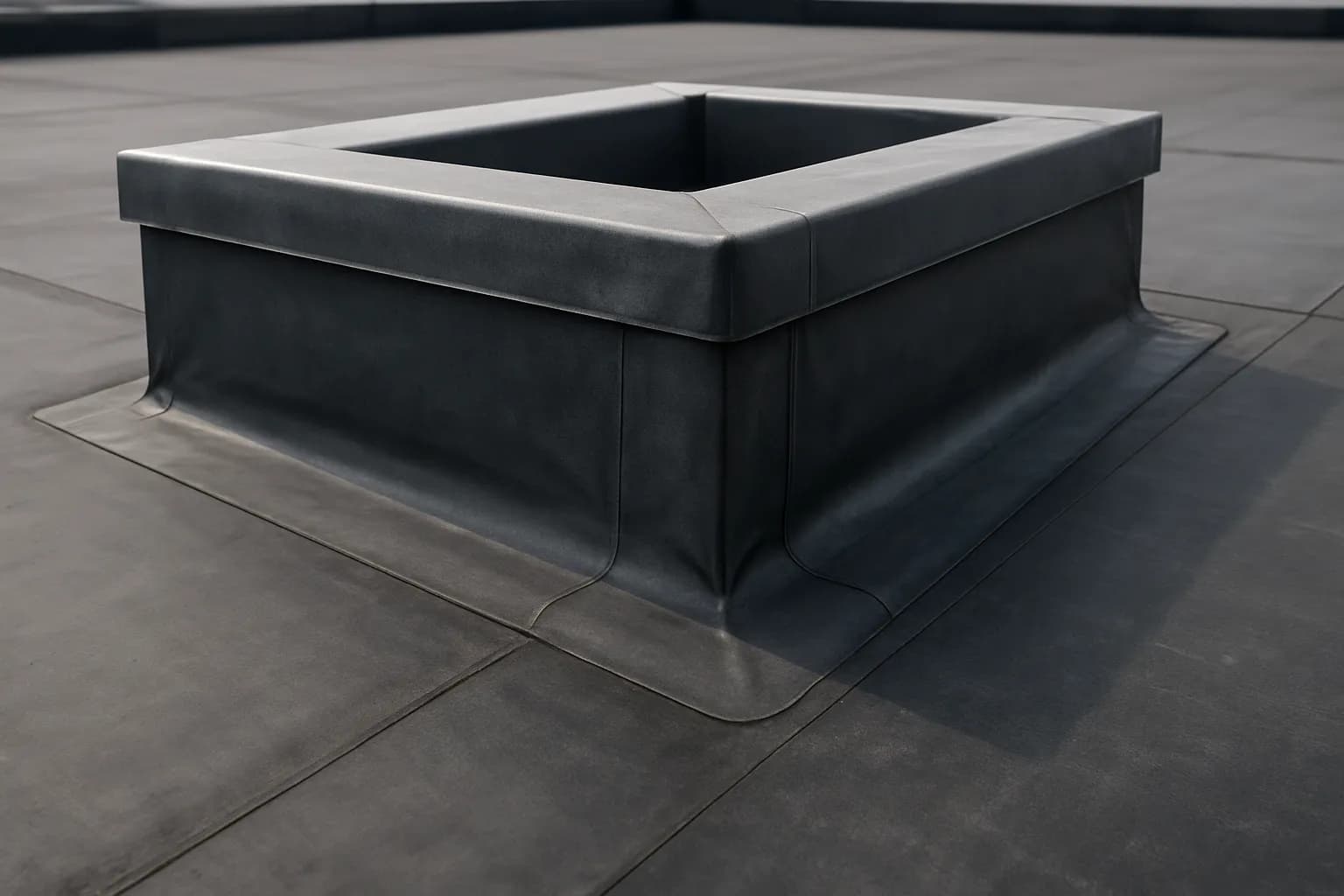
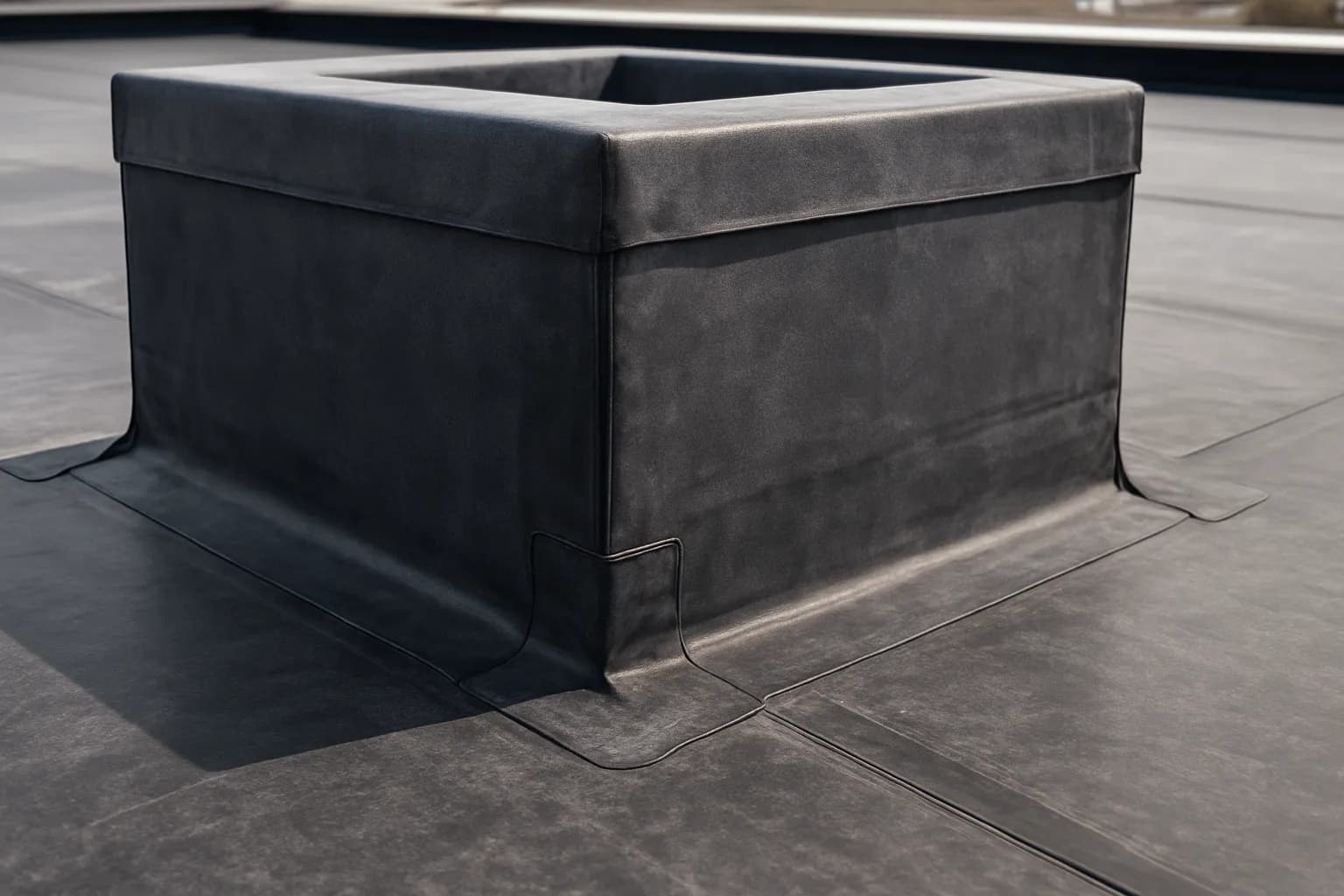
For low-slope roofs, this is especially important at transitions, penetrations, and terminations where membrane, insulation, and flashing details must work together. An acquisition that changes distributor ownership does not change those technical requirements, but it can affect which products are easiest to source quickly and consistently.
Code compliance still comes first: IBC, wind uplift, and energy requirements
For commercial roofs, distribution changes are secondary to compliance. The applicable building code, including the roofing provisions of the International Building Code, still governs fire resistance, structural loading, drainage, insulation, and roof assembly requirements. Wind-uplift performance remains critical in exposed markets and on taller buildings, where edge securement, fastening patterns, and tested assemblies matter.
Facility managers should also watch for energy-code implications, including cool-roof and reflectivity requirements where local rules apply, such as California Title 24 in certain projects. A distributor acquisition does not alter those obligations, but it may affect the speed at which compliant materials and documentation reach the jobsite.
For owners managing portfolios across multiple jurisdictions, the safest approach is to confirm that every proposed assembly is documented for the specific code edition, jurisdiction, and manufacturer approval path before purchase orders are issued.
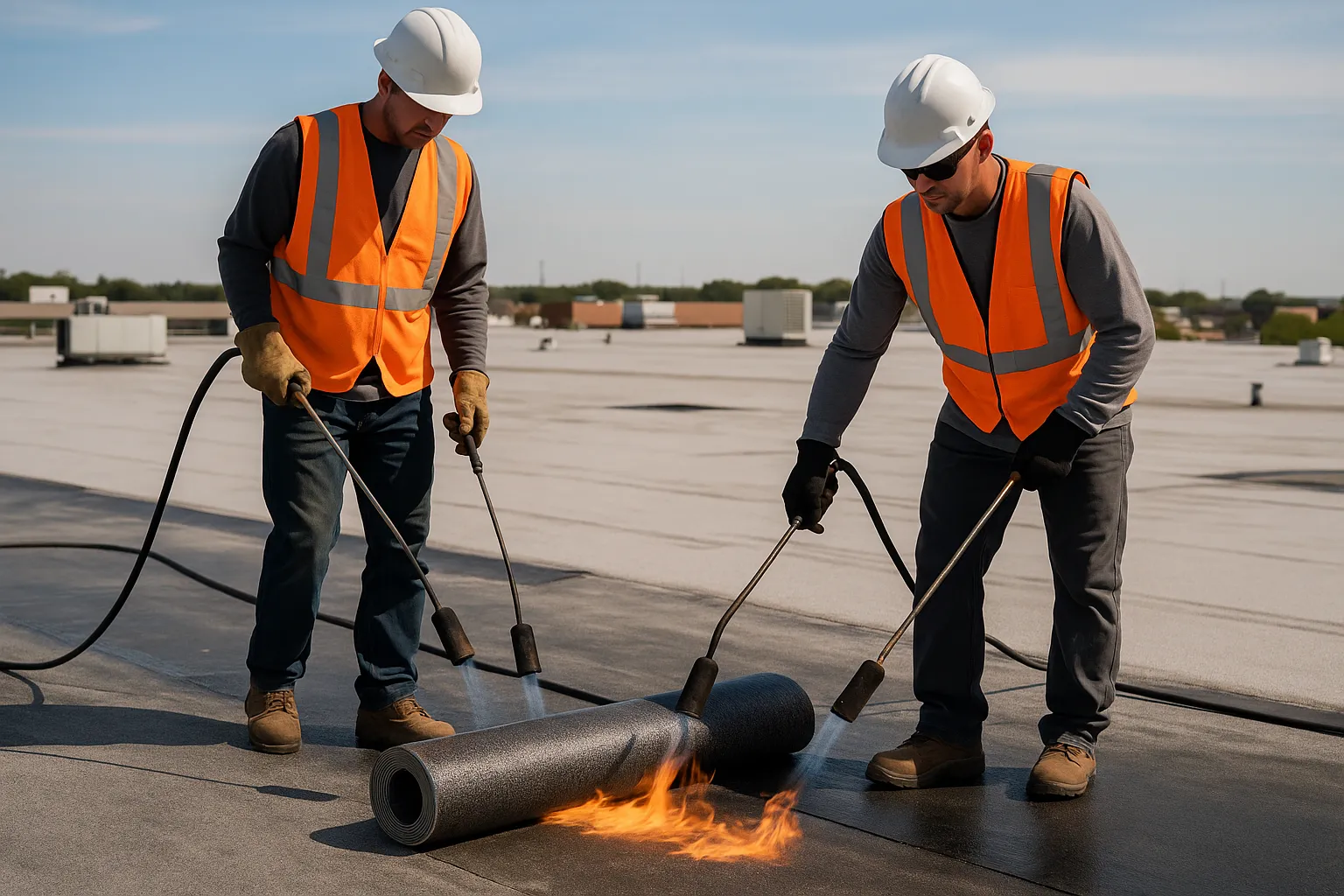
What to ask your roofing contractor and distributor after a market acquisition
The most useful response to consolidation is not speculation; it is due diligence. Property and facility teams should ask how the acquisition changes pricing, service territory, emergency response, and the availability of frequently used products for maintenance and capital repair work.
They should also ask whether the distributor can still support fast-track repairs, warranty-compliant replacements, and project closeout documentation. For occupied buildings, that support can be as important as the roof material itself because it affects tenant disruption, roof access planning, and the ability to respond quickly after storm damage or leak events.
- Will local account support change?
- Are stocked products or delivery areas changing?
- Can the distributor support warranty-compliant assemblies?
- How will after-hours or emergency requests be handled?
Best next steps for facility managers, property managers, and CRE owners
For facilities teams, the acquisition is a reminder to review vendor redundancy before the next roof issue turns into an emergency. A resilient sourcing plan should include approved contractors, alternate suppliers, current roof records, and system-specific warranty documents so a single vendor change does not slow down response time.
It is also a good time to verify the current condition of high-risk roof areas such as drains, seams, flashings, rooftop curbs, and rooftop equipment supports. Strong documentation helps teams compare bids, validate scope, and avoid unplanned change orders when a repair becomes a capital project.
In larger portfolios, supply-chain consolidation can create both opportunity and risk. Stronger distribution networks may improve coverage, but fewer independent sources can make it more important to prequalify vendors, maintain specifications, and keep material approvals current.
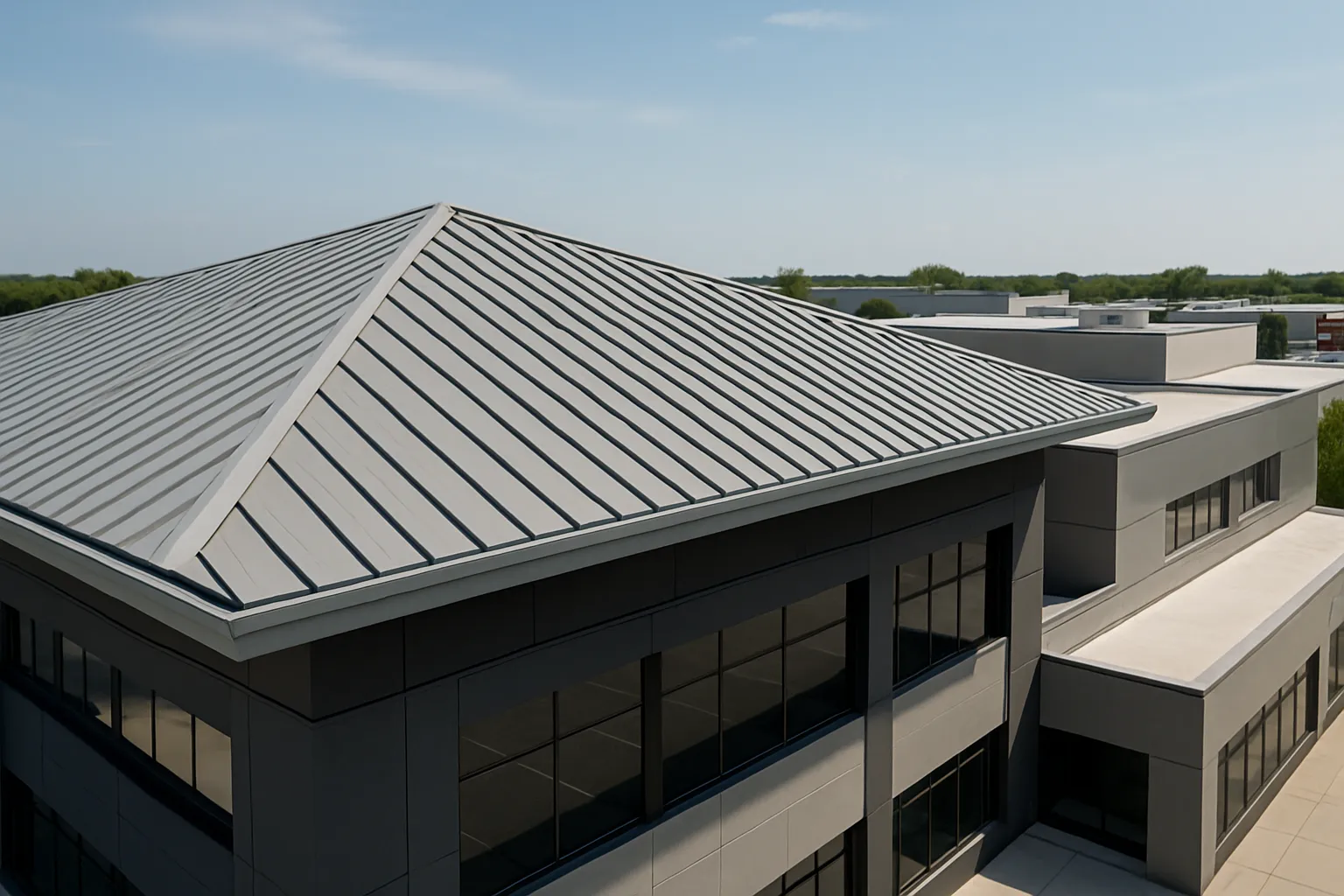
How this fits the broader commercial roofing market trend
The CORCO acquisition fits a broader industry pattern of mergers, acquisitions, and regional expansion across commercial roofing distribution and contracting. For owners and managers, that trend reinforces the need to treat roofing procurement as a strategic facilities function rather than a one-time purchase.
Whether a building uses TPO, PVC, EPDM, modified bitumen, BUR, metal, or coatings, the best risk reduction comes from disciplined planning: documented specifications, repeatable maintenance, and a supply chain that can support both routine service and urgent repairs. In a consolidating market, those controls become even more important.
Frequently Asked Questions
Will this acquisition affect commercial roofing prices in Chicago?
It may, but not automatically. Acquisitions can change distributor overhead, buying power, and local competition, which may influence pricing over time. For owners and managers, the practical step is to compare bids, confirm approved alternates, and track pricing on common materials like insulation, flashings, and membrane accessories across multiple suppliers.
What should a facility manager verify before approving materials from a newly expanded distributor?
Verify that the products match the specified roof system, carry the required manufacturer approvals, and comply with the project’s code and warranty requirements. Also confirm lead times, delivery logistics, and whether the distributor can supply the same materials consistently for future repairs, since continuity matters for maintenance and warranty work.
How does distributor consolidation affect roof warranty claims?
The warranty itself usually does not change because of a distributor acquisition. What can change is the ease of obtaining documentation, replacement materials, and technical support. Facility teams should keep purchase records, product data sheets, and warranty letters organized so future claims are not slowed by supply-chain changes.
What roof systems are most sensitive to supply-chain disruption?
Any commercial roof system can be affected, but low-slope assemblies with multiple components are often most exposed because they depend on compatible membranes, insulation, adhesives, fasteners, and flashings. That includes TPO, PVC, EPDM, modified bitumen, and coatings, where substitution control is critical for performance and warranty compliance.
What is the most practical takeaway for CRE professionals after a roofing distribution acquisition?
Treat it as a reminder to review vendor redundancy, roof specifications, and maintenance records before the next project or leak response. Strong procurement plans, clear scope documents, and prequalified alternates help reduce delays, protect warranty eligibility, and improve response time across occupied commercial properties.
Related Reading on My Roofing Tech
- Flat Roof Replacement Guide for Commercial Buildings: Systems, Costs, and ROI
- TopBuild to Acquire Progressive Roofing: What Facility Managers Need to Know
Find a Qualified Commercial Roofing Contractor
Need help acting on this? Browse roofing contractors in your area, or explore commercial roofing services like preventative maintenance, inspections, and emergency response. Are you a contractor? List your business on My Roofing Tech to reach property and facility managers actively searching for help.
Sources
Originally sourced from The Roofing Brief