 My Roofing Tech
ABC Supply CEO Change: What It Means for Commercial Roofing Buyers
Quick Answers for Property & Facility Managers
How will ABC Supply’s CEO transition affect commercial roofing budgets and projects for property and facility managers?
ABC Supply’s CEO change may impact commercial roofing pricing, product availability, and contractor support as the company adjusts strategy heading into 2027. Property and facility managers should expect potential shifts in terms, rebate programs, inventory priorities, and logistics and should confirm assumptions before locking in multi-year roof budgets and contracts.
Should owners and property managers adjust their commercial roofing capital plans because ABC Supply is changing CEOs?
You should not delay projects solely due to ABC Supply’s CEO transition, but it is smart to review pricing assumptions, lead times, and preferred products with your roofing contractors. Confirm that material quotes, warranty requirements, and logistics plans are current before you approve large TPO, PVC, EPDM, metal, or coating projects.
What conversations should facility managers have with roofing contractors in light of ABC Supply’s leadership change?
Ask your contractors how they expect ABC Supply’s leadership change to affect pricing, credit terms, delivery reliability, and access to key commercial systems. Clarify contingency plans for TPO, PVC, EPDM, modified bitumen, and metal supply so your projects and warranty obligations are protected if distribution strategies shift in 2027.
ABC Supply leadership change: why commercial roofing buyers should care
ABC Supply Co., Inc., the largest wholesale distributor of roofing and exterior building products in North America, has announced that longtime CEO Keith Rozolis will retire effective December 31, 2026, and that Mike Jost has been named as the next CEO. This is not just a supplier headline; it is a strategic signal for anyone managing commercial roofing portfolios across office, industrial, retail, healthcare, institutional, and multifamily properties.
Because ABC Supply is a primary distribution channel for commercial roofing systems such as TPO, PVC, EPDM, modified bitumen, BUR, metal, and roof coatings, its leadership priorities directly influence what your contractors can buy, how quickly they receive it, and at what price. As you plan 2027–2028 capital and operating budgets, understanding the implications of this transition will help you de-risk major roof projects, maintain compliance, and protect manufacturer warranties.
How distributor strategy affects commercial roofing pricing and availability
For facility and property managers, the most immediate concern around a leadership change at a national supplier is the potential impact on pricing, inventory, and service levels. Large distributors like ABC Supply negotiate with manufacturers, manage regional stocking decisions, and coordinate logistics, all of which affect the quotes you see from your roofing contractors.
On pricing, a new CEO may refine purchasing strategies, rebate structures, and preferred manufacturer relationships. Because commercial roofing materials represent a significant portion of total project cost—especially for large TPO and PVC membrane installations on low-slope roofs—any shift in distributor pricing or incentives can move your budgets. While you should not assume sudden volatility, it is prudent to avoid relying on outdated price assumptions when scoping 2027 projects.
Inventory strategy is equally important. Distributors decide which membrane thicknesses, colors, fire ratings, and accessory packages to stock regionally. That influences whether your project can use standard, code-compliant materials or faces lead times for specific assemblies. Roof assemblies designed to meet IBC roofing provisions, FM Global approvals, and wind-uplift requirements often depend on particular combinations of membrane, insulation, fasteners, and edge metal. If stocking priorities change, the practical availability of those assemblies can shift, impacting schedule and risk.
Service levels—delivery reliability, will-call performance, and jobsite coordination—are where facility managers feel disruptions fastest. A leadership transition usually comes with operational reviews and potential optimization efforts. That can be positive long term, but may produce temporary friction. Aligning your project timelines with realistic lead times and confirming logistics expectations with your contractors reduces the chance of schedule overruns and change orders.
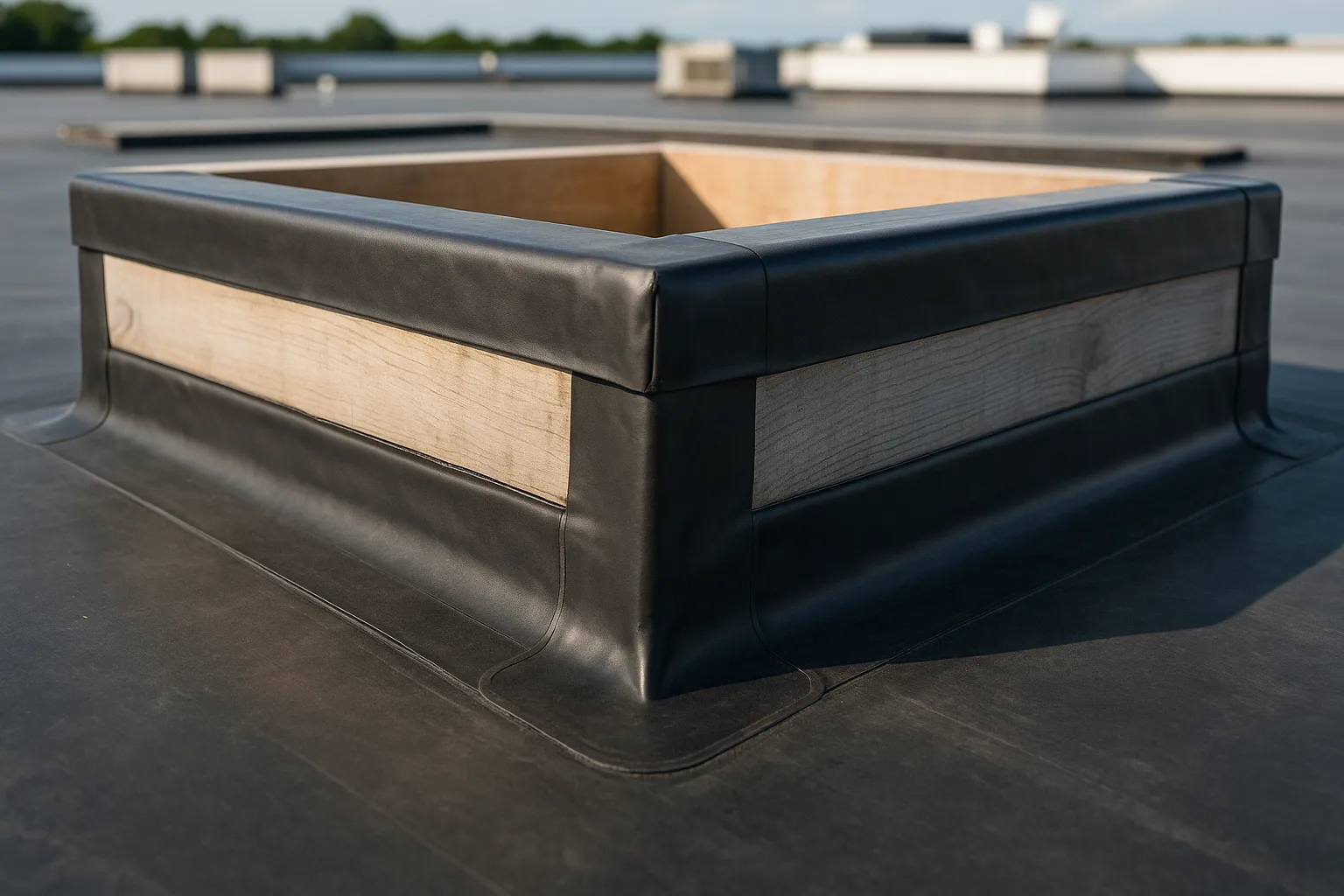
Implications for TPO, PVC, EPDM and other low-slope commercial roof systems
Most portfolios managed by corporate real estate teams and facility departments rely heavily on low-slope commercial roof systems: TPO and PVC single-ply membranes on warehouses and retail boxes, EPDM on older office or institutional buildings, and modified bitumen or BUR on legacy structures. ABC Supply’s role as a national distributor means its strategy can affect each class of system in different ways.
For TPO and PVC roof systems, which often must meet cool-roof and energy code requirements (such as Title 24 in California or similar local energy provisions), consistent access to white, highly reflective membranes and compatible insulation is critical. Any change in ABC Supply’s preferred manufacturer mix or stocking patterns could influence which products contractors propose for code-compliant assemblies, particularly in markets with strict energy or reflectivity standards.
EPDM roofing, common on older office and institutional buildings, often relies on long-established manufacturer relationships and specific detail components (flashings, terminations, cover boards) to maintain warranty continuity. If distributor relationships or consolidation efforts alter the availability of certain EPDM accessory lines, contractors may push substitutions. As an owner representative, you should ensure substitutions remain compatible with existing manufacturer warranties and NRCA-recommended details, rather than approving changes purely on price or availability.
Systems such as modified bitumen and BUR are particularly sensitive to material handling, staging, and delivery because of their multi-layer construction and crew-intensive installation. Reliable distributor support reduces jobsite delays and helps ensure materials are stored and delivered in a manner consistent with ASTM standards and manufacturer guidelines. If ABC Supply adjusts its logistics or service model under new leadership, contractors may need to update their material handling plans—something you should expect to see documented in project submittals and preconstruction meetings.
Metal roofing and wall systems, along with fluid-applied roof coatings, also depend on distributor capabilities: accurate takeoffs, custom fabrication lead times, color matching, and coordination with fastener and sealant packages. When you evaluate metal retrofit or coating programs aimed at extending roof life and reducing capital outlay, factor in distributor reliability as a risk element alongside system performance.
Risk, compliance, and manufacturer warranties under changing supply dynamics
From a risk management standpoint, the ABC Supply leadership transition should prompt facility managers and asset managers to review how their roofing strategies interact with codes, standards, and warranties. Regulatory and insurance frameworks—such as the International Building Code, NRCA best-practice details, FM Global data sheets, and ASTM material standards—do not change because a distributor appoints a new CEO. However, supply-side decisions can indirectly affect your ability to comply with them.
Wind-uplift and impact resistance requirements, particularly in coastal or storm-prone markets, often require roof assemblies that are tested and listed with specific manufacturers and distributors. If distributor relationships or stocking patterns evolve, contractors may need to adjust assemblies to maintain FM Global or local code approvals. As an owner representative, insist that any substitutions or assembly changes are supported by updated documentation and tested assembly listings, not just verbal assurances.
Manufacturer warranties are another critical factor. Long-term system warranties for TPO, PVC, EPDM, and modified bitumen roof systems typically require the use of approved components, installation by certified contractors, and adherence to published details. Should distributors change their preferred brands or push alternate accessory packages, you must verify that your warranty conditions remain intact. Asking for written confirmation from the manufacturer that proposed assemblies and component substitutions preserve warranty coverage is a simple but high-value step.
Finally, consider how evolving distribution strategies interact with cool-roof, energy, and fire code requirements. In markets governed by Title 24 or similar energy standards, the chosen membrane, insulation R-values, and reflectance properties all contribute to compliance and building performance. If ABC Supply under new leadership emphasizes different product lines or performance tiers, the assemblies your contractors propose may shift. Require that energy modeling, reflectance data, and fire ratings be included in submittals so you can verify that new product mixes still align with your corporate sustainability and compliance objectives.

Practical steps for property and facility managers heading into 2027
With ABC Supply’s CEO transition scheduled for the end of 2026, you have time to respond strategically rather than reactively. The most effective approach is to tighten communication and documentation around your roofing procurement and capital planning processes.
First, review 2027–2029 capital plans for large roof replacements or major repairs on flat and low-slope assets. For each project, ensure that your budget assumptions include recent material pricing feedback from your contractors. Ask specifically whether their quotes rely on ABC Supply or competing distributors and whether they expect any price or lead-time changes under new leadership.
Second, request that contractors outline their supply chain and contingency strategies. For critical facilities—such as hospitals, data centers, manufacturing plants, and distribution centers—where roof integrity directly affects operations, it is reasonable to ask how they will maintain material flow for TPO, PVC, EPDM, and critical accessories if distributor priorities evolve. This may include secondary sources, pre-ordering strategies, or stocking arrangements for mission-critical components.
Third, strengthen your documentation standards on every roofing project. Require submittals that clearly identify manufacturers, membrane types, insulation, fasteners, edge metal, and accessory packages, along with applicable code references and warranty requirements. Make sure that project specifications reference appropriate NRCA details, IBC provisions, FM Global approvals, and ASTM standards. Doing so helps ensure that any supplier-driven change is captured and evaluated before it affects compliance or risk.
Fourth, align roofing strategies with portfolio-level risk and ESG objectives. As distributors respond to market conditions, you may see expanded offerings around cool roofs, high R-value assemblies, and reflective coatings. Evaluating these options through the lens of life-cycle cost, energy performance, and risk mitigation can create opportunities to leverage new supplier initiatives rather than simply absorbing change.
Finally, invest in preventative maintenance and leak response protocols so that shorter-term fluctuations in supply or pricing do not force emergency replacements. Regular inspections, prompt flashing repairs, management of ponding water, and careful documentation of membrane conditions will extend service life and give you more flexibility to schedule replacements when supply conditions and pricing are favorable.
Positioning your portfolio for resilient roofing procurement
ABC Supply’s announcement that Mike Jost will succeed Keith Rozolis as CEO at the end of 2026 is a reminder that distribution strategies are dynamic. For facility managers, property managers, and commercial real estate professionals, the goal is not to predict every operational change at a single supplier, but to build a resilient roofing procurement framework that can absorb change while maintaining compliance, performance, and cost control.
That framework includes clear specifications for TPO, PVC, EPDM, modified bitumen, BUR, metal, and coatings; strong relationships with qualified commercial roofing contractors; alignment with NRCA, IBC, FM Global, and ASTM guidance; and proactive portfolio planning. As leadership transitions unfold at major distributors such as ABC Supply, the organizations best positioned to protect their assets will be those that combine technical discipline with flexible, well-documented procurement strategies.
Frequently Asked Questions
How should commercial property owners adjust roofing budgets in light of ABC Supply’s CEO change?
Use the leadership transition as a prompt to validate material pricing assumptions for upcoming TPO, PVC, EPDM, metal, and coating projects. Ask contractors whether they anticipate changes in distributor pricing or rebates, and build sensitivity ranges into capital plans. Focus on life-cycle cost, warranty strength, and compliance rather than chasing short-term price swings.
Does ABC Supply’s leadership change affect compliance with IBC, FM Global, or local roofing codes?
Codes and standards such as the IBC, FM Global approvals, and ASTM tests are independent of any single distributor. However, changes in stocking priorities or preferred assemblies can influence which tested systems contractors propose. Require documentation showing that any assemblies or substitutions remain code-compliant and properly listed, and verify manufacturer warranty support in writing.
What are the key risks for facility managers if distributor strategies shift after this CEO transition?
The main risks are unexpected material lead times, pricing changes, and unvetted product substitutions that might compromise warranties or code compliance. Mitigate these by tightening specifications, demanding detailed submittals, and asking contractors to outline contingency plans for critical roof systems. Maintain a strong preventative maintenance program to avoid rushed emergency replacements.
How should owners evaluate contractors’ reliance on ABC Supply versus other distributors?
Ask contractors which distributors they use for TPO, PVC, EPDM, modified bitumen, BUR, metal, and coatings, and why. Evaluate them on reliability, access to approved assemblies, logistics performance, and ability to support manufacturer warranties. Preference should go to contractors who diversify supply where appropriate and can document how they manage procurement risk for your portfolio.
What buyer criteria matter most when approving large commercial roofing projects during a major supplier transition?
Prioritize proven assemblies with strong manufacturer warranties, code and FM Global compliance, contractor quality, and realistic schedules backed by confirmed material availability. Evaluate roof systems on total cost of ownership, including energy performance and maintenance. Require transparent procurement plans from contractors so you can assess exposure to distributor strategy changes.
Can distributor changes create ROI opportunities for commercial roof upgrades?
Yes. As distributors adjust product mixes, you may see better access to advanced membranes, high R-value assemblies, and reflective coatings that improve energy performance and life-cycle ROI. Work with roofing consultants and contractors to evaluate these options against your portfolio’s performance goals, ensuring that any upgrades also meet warranty and compliance requirements.
Related Reading on My Roofing Tech
- Commercial Metal Roofing: Practical Guide for Facility and Property Managers
- Royalty Roofing USA Acquires Tingley Roofing: What Commercial Property Managers Need to Know
Find a Qualified Commercial Roofing Contractor
Need help acting on this? Browse roofing contractors in your area, or explore commercial roofing services like preventative maintenance, inspections, and emergency response. Are you a contractor? List your business on My Roofing Tech to reach property and facility managers actively searching for help.