 My Roofing Tech
TopBuild to Acquire Progressive Roofing: What Facility Managers Need to Know
Quick Answers for Property & Facility Managers
What does TopBuild’s acquisition of Progressive Roofing mean for commercial property owners?
TopBuild’s planned acquisition of Progressive Roofing may expand the buyer’s commercial roofing footprint and service capacity, which can affect how property owners source maintenance, repairs, and replacement work. For facility managers, the practical question is whether the combined company can deliver consistent response times, local expertise, and warranty-aware project execution across multiple buildings.
Should facility managers change roofing vendors because of this acquisition?
Not automatically. Acquisition news is a cue to review contractor performance, safety, insurance, documentation, and manufacturer qualifications. For commercial portfolios, the best vendor is still the one that understands your roof assembly, can support preventive maintenance, and can coordinate repairs without risking warranty compliance or disrupting operations.
TopBuild’s Acquisition of Progressive Roofing: The Commercial Roofing Story Behind the Deal
TopBuild announced an all-cash agreement to acquire Progressive Roofing for $810 million, a move that expands its commercial roofing presence and broadens its service footprint in the building products market. For facility managers, property managers, and commercial real estate professionals, this is less about Wall Street headlines and more about what consolidation means for service quality, response time, and long-term portfolio support.
In commercial roofing, acquisitions often change how contractors are organized, how regions are served, and how national accounts are managed. That matters most for owners of office, industrial, retail, healthcare, institutional, and multifamily assets that depend on predictable maintenance, rapid leak response, and disciplined capital planning.
Why This Acquisition Matters for Facility and Property Managers
The most immediate implication is scale. A larger platform can sometimes offer broader geographic coverage, more specialized crews, and stronger coordination for multi-site portfolios. It can also create more standardized processes for estimating, documentation, and scheduling, which is valuable when a property team manages multiple roofs across several markets.
At the same time, consolidation can create transition risk. Service continuity may depend on whether local leadership, crews, and account managers remain in place after the acquisition. For commercial properties, the relationship with the roofing contractor is operational, not transactional, because roof access, roof records, repair history, and warranty obligations often span years.
Facility teams should ask whether the combined company can maintain the same level of responsiveness for emergency calls, preventative maintenance, and seasonal inspections. That question is especially important for buildings with active tenants, sensitive operations, or roof assemblies that are difficult to service without disruptions.
What Consolidation Means for Commercial Roof Maintenance and Repairs
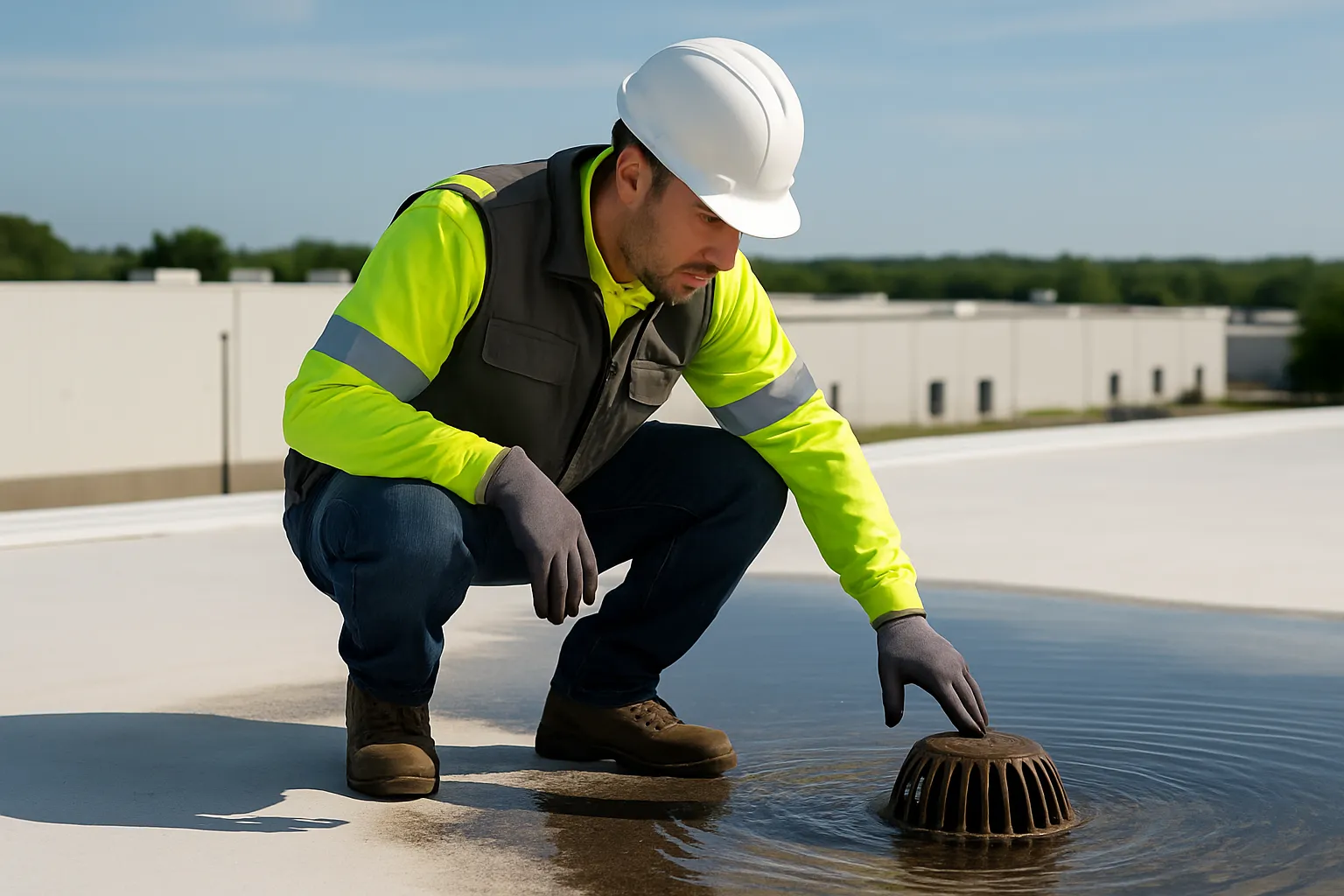
NRCA guidance emphasizes the importance of regular inspections and maintenance as part of preserving roof performance, while FM Global consistently treats roof condition, drainage, and repair quality as important elements of risk control. In practice, that means a larger roofing platform is only helpful if it can actually support disciplined maintenance programs, not just large project execution.
For facility managers, the key deliverables are still the same: documented inspections, photo-rich reporting, repair prioritization, and clear recommendations for near-term fixes versus longer-term capital planning. If the acquiring company can standardize those deliverables across a portfolio, the deal may create value. If not, scale alone will not improve roof performance.
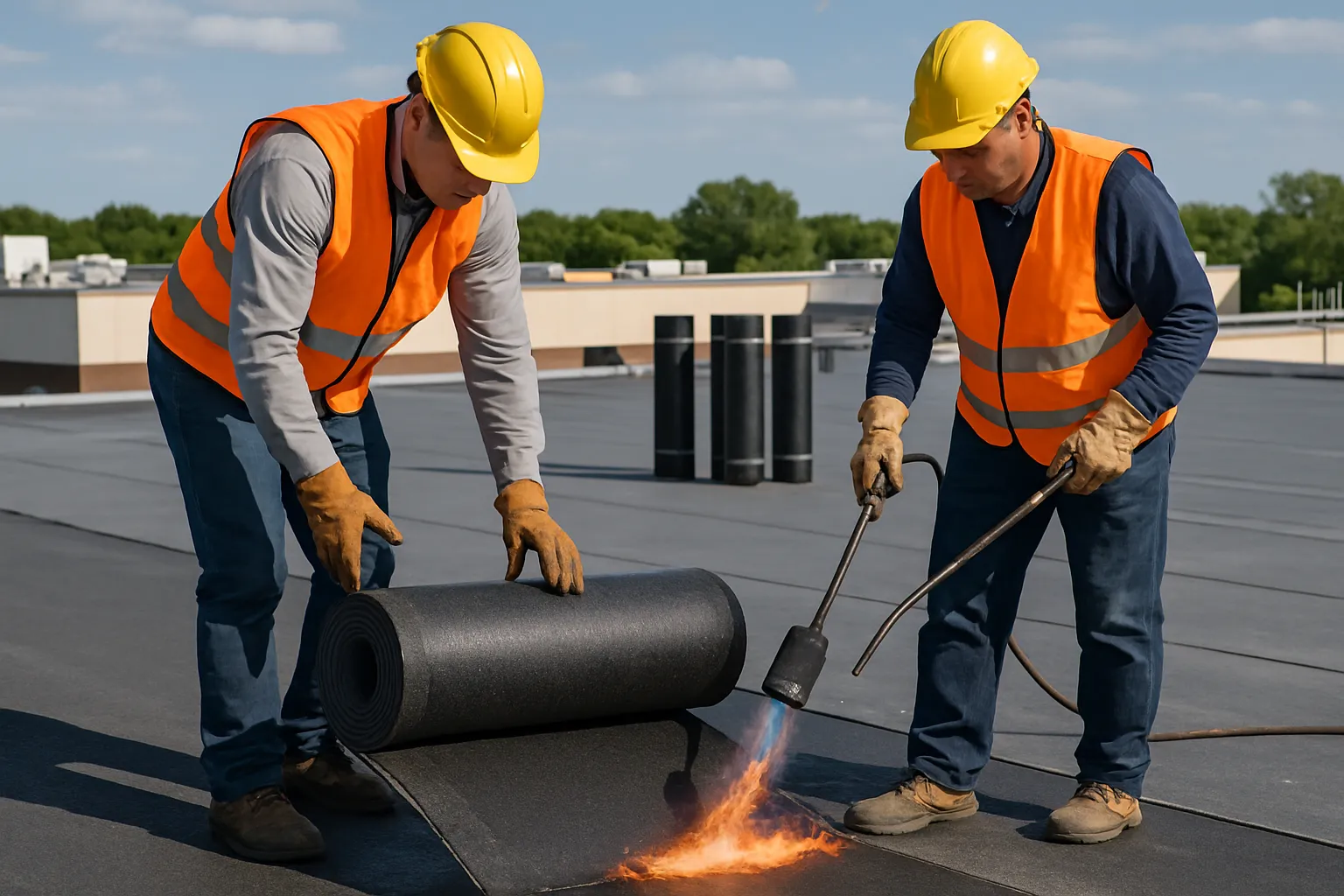
Commercial roofing standards also matter. ASTM specifications and manufacturer installation requirements are often tied to how membranes, flashings, seams, and accessories are installed and repaired. That is especially important on TPO, PVC, EPDM, modified bitumen, BUR, and coated roof systems, where a repair method that looks acceptable in the field can still create warranty or performance issues if it does not align with the assembly requirements.
How Building Owners Should Evaluate the Combined Contractor
Property teams should treat an acquisition as a vendor due-diligence moment. The best roofing partner for a commercial portfolio is not simply the largest one; it is the one that can document roof conditions, communicate clearly, and protect the building’s operating budget over time.
- Confirm whether your current account team, estimator, and service dispatch contacts will remain in place.
- Ask how the company will handle ongoing manufacturer warranty work after the acquisition.
- Verify experience with your specific roof system and building type, including low-slope membranes and metal roofing.
- Review insurance, safety programs, and documentation standards before approving new work orders.
- Request examples of preventive maintenance reporting, leak-response protocols, and capital planning support.
If your portfolio includes hospitals, warehouses, distribution centers, schools, or mission-critical facilities, continuity is especially important. Roof leaks in those environments can affect operations, inventory, patient care, and life-safety systems, so contractor transition planning should be part of the conversation immediately.
Code, Warranty, and Compliance Considerations That Still Apply
Acquisitions do not change the fundamentals of commercial roofing compliance. Roof projects still need to align with applicable building code requirements, including IBC roofing provisions, wind-uplift design expectations, and local energy code rules such as cool-roof or reflectivity requirements where applicable. In jurisdictions that enforce enhanced energy performance standards, roof replacement can also become a compliance decision as much as a maintenance one.
For facility managers, the practical concern is whether the contractor understands how these requirements affect substrate preparation, fastening patterns, edge metal, insulation levels, drainage, and membrane selection. That is especially true when a project touches manufacturer warranties, because warranty coverage can be affected by improper detailing, incompatible materials, or poor documentation.
Commercial owners should also understand that many roofing failures are not dramatic single events. They are often the result of repeated small issues: blocked drains, failed flashings, incompatible repairs, overlooked penetrations, and deferred maintenance. A larger contractor can help only if it has the systems to catch those problems early and track them across the portfolio.
Questions to Ask Before You Rebid or Renew a Roofing Agreement
For commercial real estate teams, the acquisition may be a good time to review existing agreements and compare them against current market needs. The goal is not to chase headlines; it is to protect building performance and budget predictability.
- What service level can the contractor commit to for inspections, emergency leak response, and turnaround time?
- How are roof records, photographs, and repair histories stored and shared with owners?
- Can the contractor support manufacturer-certified repairs on your current roof system?
- How will the acquisition affect local labor availability and project scheduling?
- Does the contractor provide long-term capital planning or condition-based replacement recommendations?
If the answers are vague, the acquisition is an opportunity to benchmark other providers. If the answers are clear and the service model improves, the combined company may become a stronger option for multi-property portfolios and recurring maintenance programs.
What This Means for the Commercial Roofing Market Going Forward
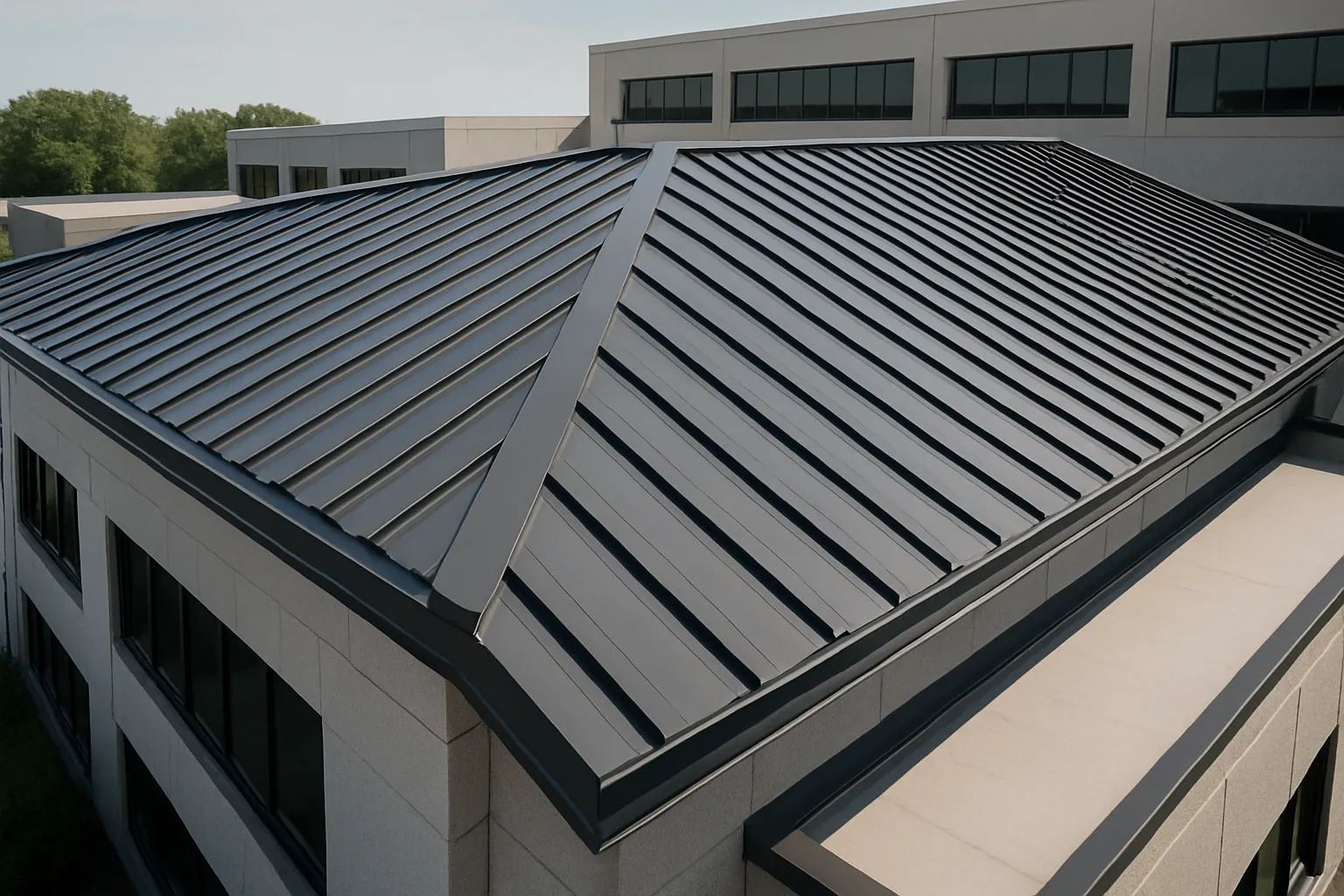
For commercial roofing professionals, this deal reflects a broader market pattern: larger platforms are continuing to build scale in maintenance, restoration, and replacement work. That can be beneficial for owners who need national coverage, but it also raises the bar for accountability. Facility managers should expect more from contractors, not less, because larger companies should bring better reporting, better logistics, and stronger technical consistency.
In the near term, the smartest move is to review service agreements, verify warranty alignment, and make sure your roof is being maintained to the standard required by the manufacturer and the building’s risk profile. The acquisition may change who owns the company, but it does not change the need for disciplined roof management.
Frequently Asked Questions
Does a roofing acquisition usually affect warranty coverage?
An acquisition does not automatically void or improve warranty coverage, but it can affect how warranty service is administered. Facility managers should confirm who will handle inspections, repairs, claim documentation, and approved materials after the ownership change. The most important factor is still compliance with the original manufacturer’s installation and maintenance requirements.
What should a property manager review before approving more work from the combined company?
Review the contractor’s safety record, insurance, manufacturer qualifications, documentation process, and experience with your specific roof system. Also confirm how emergency response, recurring maintenance, and multi-site reporting will work after the acquisition. For commercial portfolios, service consistency is often more valuable than company size alone.
How can consolidation affect roof maintenance budgets?
Consolidation can cut both ways. A larger company may offer more standardized pricing, better logistics, or broader coverage, but pricing may also shift as the organization integrates systems and overhead. The best approach is to compare service scope, inspection quality, and warranty support—not just the headline price of the contract.
What roof systems are most relevant for this kind of contractor acquisition?
For commercial properties, the most relevant systems are low-slope membranes such as TPO, PVC, EPDM, and modified bitumen, plus BUR, metal roofing, and roof coatings. Facility managers should verify that the contractor has documented experience with the specific assembly on each building, including penetrations, flashings, and drainage details.
What is the biggest risk for commercial building owners during a contractor transition?
The biggest risk is loss of continuity: missed inspections, delayed leak response, incomplete roof records, or unclear responsibility for warranties and open work orders. That is why owners should document current conditions, confirm account leadership, and keep preventive maintenance on schedule during any acquisition-related transition.
Related Reading on My Roofing Tech
- Commercial Roof Leak Repair: Step‑By‑Step Guide for Facility Managers
- 9 Major Commercial Roofing Developments Facility Managers Must Watch
Find a Qualified Commercial Roofing Contractor
Need help acting on this? Browse roofing contractors in your area, or explore commercial roofing services like preventative maintenance, inspections, and emergency response. Are you a contractor? List your business on My Roofing Tech to reach property and facility managers actively searching for help.
Sources
Originally sourced from Yahoo Finance