 My Roofing Tech
Commercial Flat Roofing: A Practical Guide to Systems, Maintenance, Repairs, and Replacement
Quick Answers for Property & Facility Managers
What is the best commercial flat roofing system?
The best commercial flat roofing system depends on the building’s climate, drainage, rooftop equipment, chemical exposure, traffic, fire requirements, budget, and warranty objectives. TPO and PVC provide heat-welded seams; EPDM offers flexible rubber membrane performance; modified bitumen and BUR provide asphalt-based multi-layer construction; and metal systems suit selected low-slope applications. A qualified commercial roofing consultant should compare assemblies, not just membrane prices.
How often should a commercial flat roof be inspected?
Schedule commercial flat roof inspections at least twice annually, commonly in spring and fall, and after significant storms or rooftop work by other trades. The inspection should document membrane condition, seams, flashings, drains, scuppers, penetrations, rooftop equipment, ponding water, and safety conditions. Promptly correcting small defects can reduce interior damage, disruption, and premature replacement risk.
Commercial Flat Roofing: What Facility Managers Need to Know
Commercial flat roofing generally refers to low-slope roof assemblies designed to shed water through drains, scuppers, and controlled drainage paths rather than through a steep roof slope. The National Roofing Contractors Association defines low-slope roof systems as assemblies installed at slopes less than or equal to 3 inches in 12 inches. For facility managers, the important issue is not whether a roof is visually flat; it is whether the entire assembly, drainage design, flashings, and penetrations work together.
Commercial roofs protect offices, retail properties, warehouses, healthcare facilities, multifamily buildings, and institutional spaces. A leak can damage finishes, inventory, electrical systems, medical areas, tenant improvements, or production operations. Treat the roof as a managed building asset: maintain records, control access, track recurring defects, and plan capital work before failure becomes an emergency.
Compare TPO, PVC, EPDM, Modified Bitumen, BUR, and Metal Systems
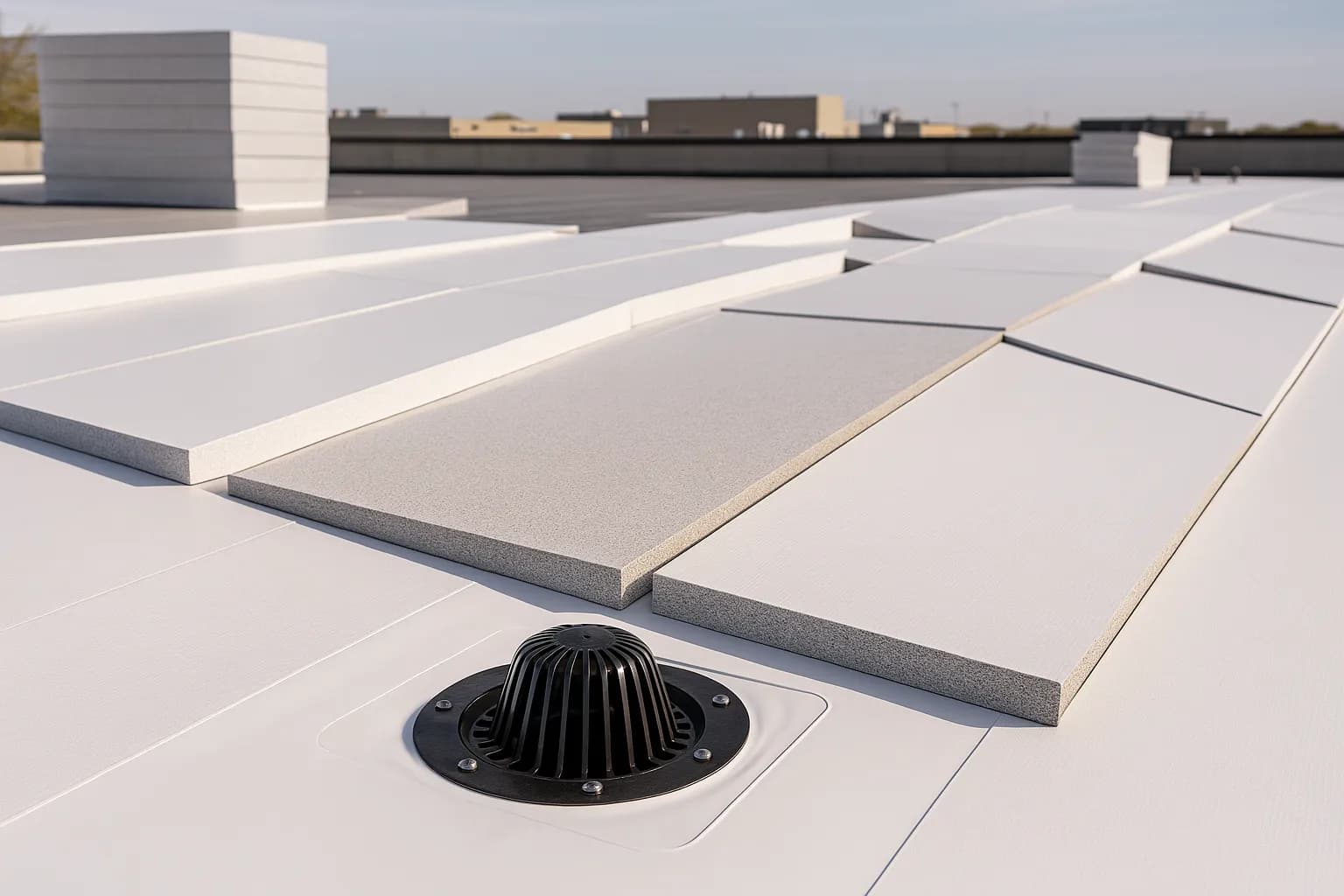
- TPO: Thermoplastic polyolefin membranes use heat-welded seams and are widely used on low-slope commercial buildings. Evaluate membrane thickness, cover board, attachment method, seam quality, details, and the manufacturer’s approved assembly.
- PVC membrane: Polyvinyl chloride membranes also use heat-welded seams and can be useful where chemical exposure, grease, or demanding rooftop conditions affect material selection. Confirm compatibility with exhaust systems, cleaners, sealants, and adjacent materials.
- EPDM: Ethylene propylene diene monomer is a flexible rubber membrane commonly installed ballasted, mechanically attached, or fully adhered. Inspect seams, tapes, adhesive transitions, punctures, shrinkage, flashing, and exposed areas vulnerable to traffic.
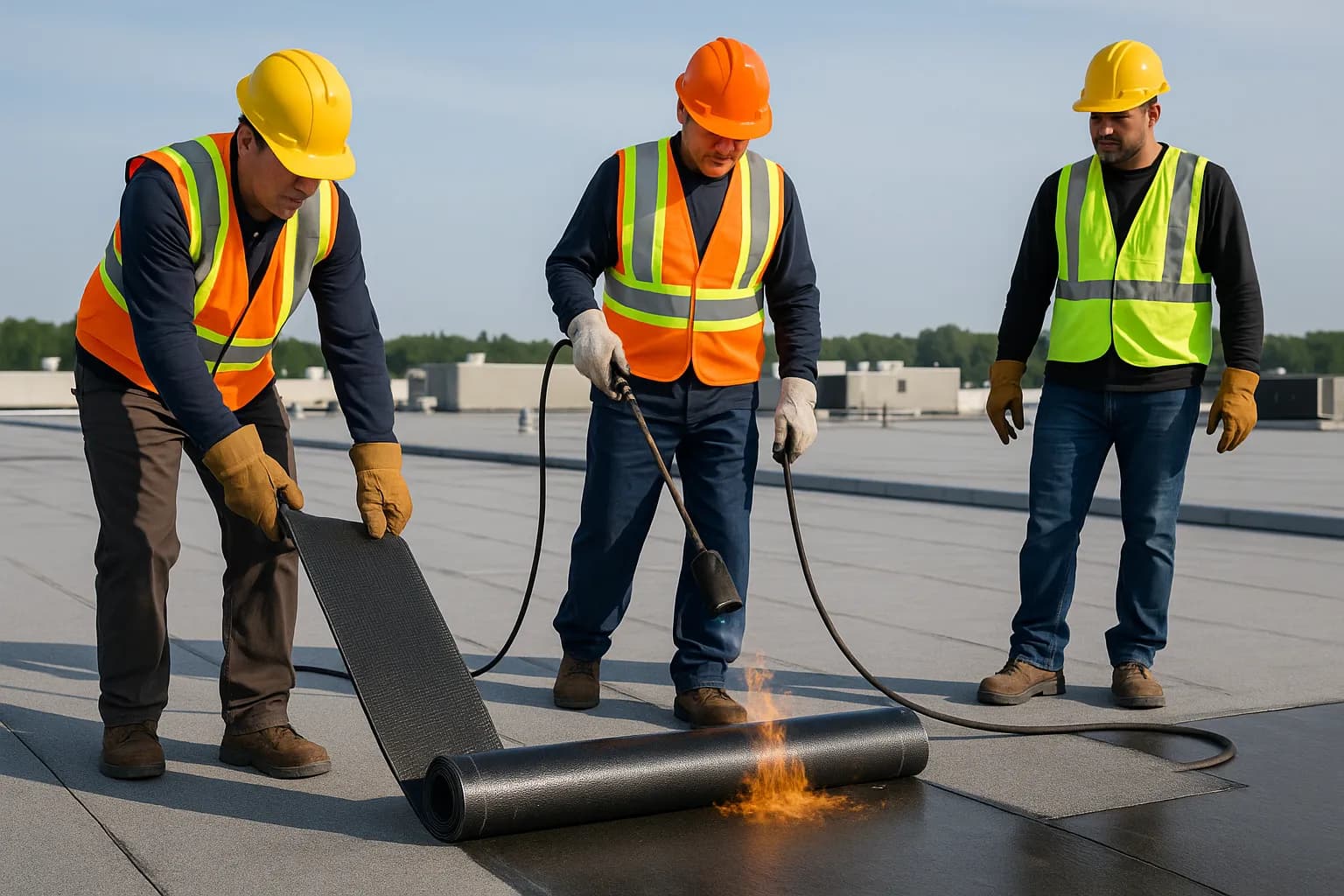
- Modified bitumen: Polymer-modified asphalt sheets may be installed using torch-applied, hot-asphalt, cold-adhesive, or self-adhered methods. Confirm the existing base, cap sheet, edge details, fire controls, and compatibility before specifying repairs.
- BUR: Built-up roofing uses multiple plies of asphalt-saturated reinforcing felts with asphalt and a surfacing layer. Look for blistering, alligatoring, exposed reinforcement, splits, wet insulation, deteriorated flashing, and failed surfacing.
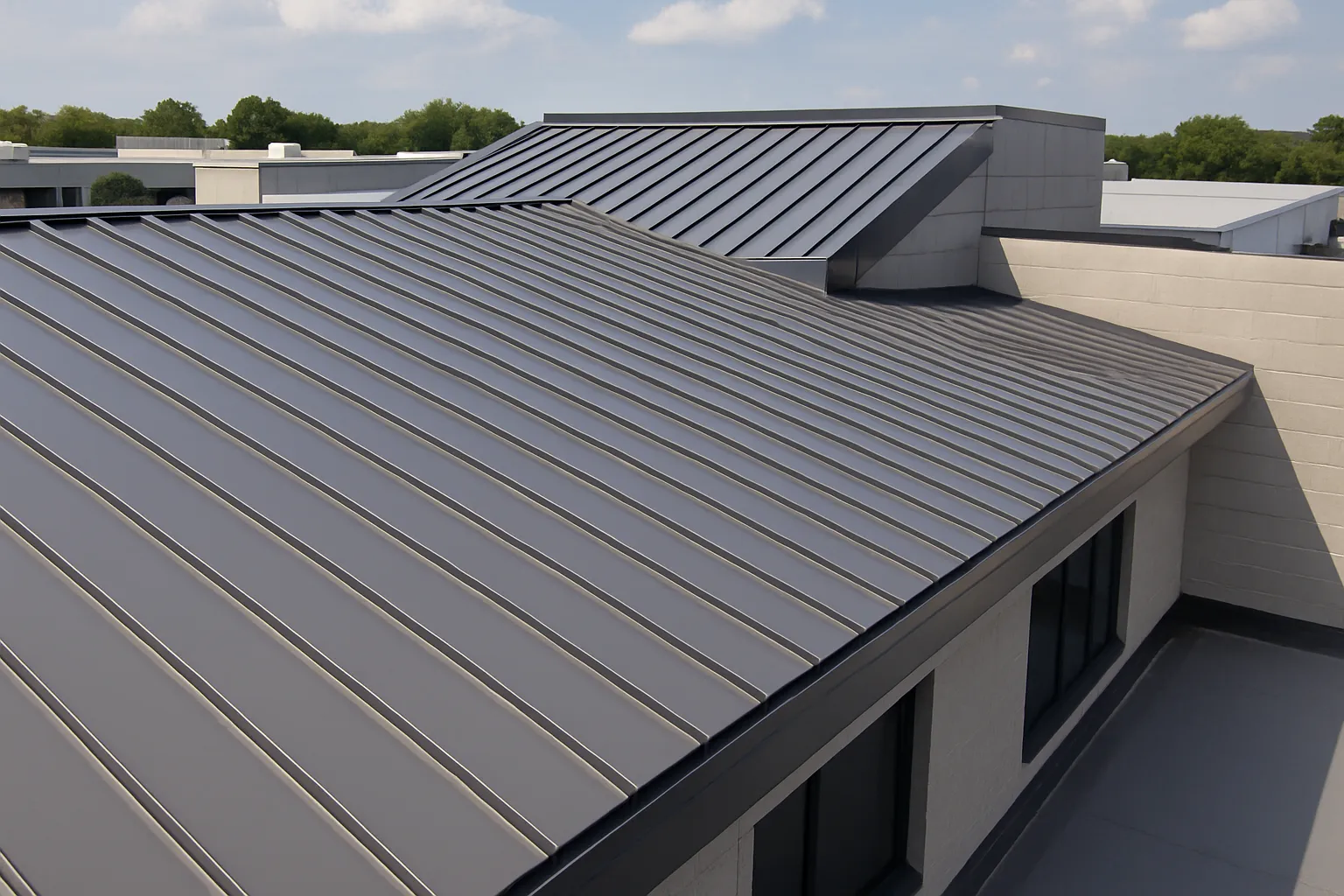
- Metal and standing seam: Metal roofs may be appropriate for certain low-slope commercial applications, but panel seams, fasteners, penetrations, oxidation, movement, curbs, and transitions require specialized evaluation. A coating may extend service life only when the substrate and details are suitable.
System selection should account for the complete roof assembly, including insulation, vapor control, cover board, attachment, edge securement, flashing, drainage, fire classification, wind uplift, and warranty requirements. Do not select a membrane solely because it has the lowest bid price.
Use a Commercial Flat Roofing Inspection Checklist
Arrange inspections with a qualified commercial roofing professional and require a written report with photographs, roof-plan locations, severity ratings, recommended actions, and budget ranges. Rooftop access and work must be planned under applicable workplace safety requirements; OSHA fall-protection obligations can apply to roof work and maintenance activities.
- Verify safe access at hatches, ladders, stairs, doors, and service paths.
- Walk membrane areas for punctures, cuts, ridges, blisters, wrinkles, erosion, exposed reinforcement, and abnormal wear.
- Inspect TPO and PVC seams for edge lifting, incomplete welds, contamination, and failed patches.
- Inspect EPDM seams, splice tapes, adhesives, flashing, shrinkage, and punctures.
- Inspect modified bitumen and BUR cap sheets, laps, surfacing, blisters, splits, and asphalt-related defects.
- Check drains, strainers, scuppers, gutters, overflows, and nearby debris.
- Document ponding water and determine whether the cause is blocked drainage, deflection, inadequate slope, insulation movement, or structural movement.
- Inspect perimeter metal, copings, gravel stops, counterflashings, pitch pockets, pipe boots, curbs, skylights, expansion joints, and equipment supports.
- Record rooftop traffic, unauthorized penetrations, abandoned equipment, and damage caused by mechanical or electrical contractors.
- Review interior ceilings, walls, insulation, and tenant complaints for evidence of active or concealed moisture.
Repair Commercial Flat Roofing in the Correct Sequence
When a leak is reported, protect occupants and contents first, then document the condition. Interior staining does not always identify the roof entry point because water can travel through insulation, decks, joints, and building cavities.
- Establish the affected area, urgency, operational impact, and temporary protection needs.
- Review roof plans, prior inspection reports, warranties, repair invoices, and maintenance history.
- Trace the likely source from the interior and roof side, checking nearby seams, penetrations, flashings, drains, and perimeter details.
- Use system-compatible materials and manufacturer-approved repair methods. Heat-welded membranes, EPDM accessories, asphalt sheets, sealants, and coatings are not interchangeable.
- Inspect the repair after installation, photograph it, and record its location, materials, installer, date, and warranty implications.
- Schedule a follow-up inspection after the next significant rain or within the contractor’s recommended interval.
Emergency repairs can stop active water entry, but repeated leak calls in the same area may indicate wet insulation, membrane fatigue, failed flashing design, deck movement, or broader system deterioration.
Manage Drainage, Ponding Water, and Preventative Maintenance
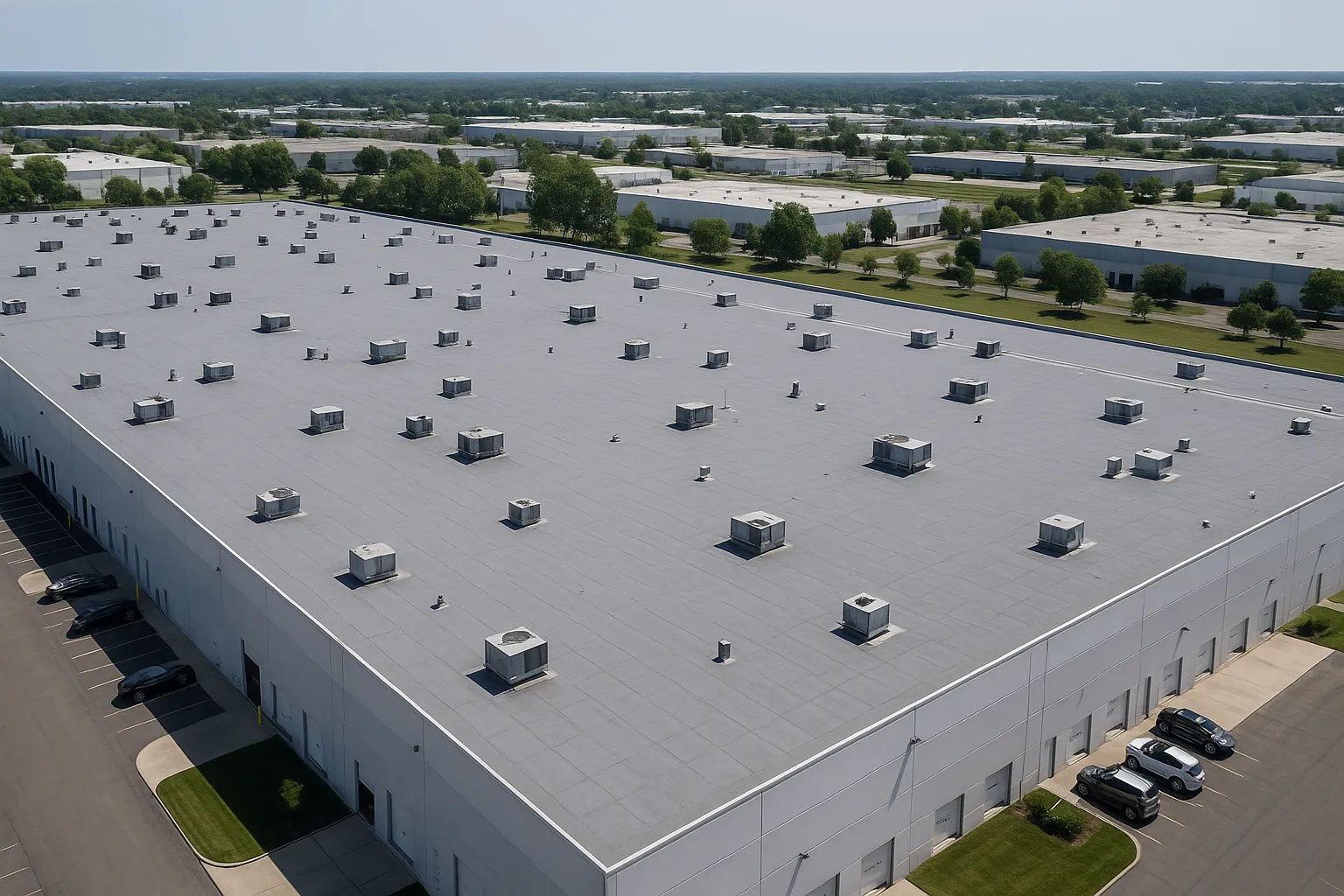
Standing water is a management issue, not merely a cosmetic concern. Ponding can increase membrane stress, expose defects, overload drainage components, promote biological growth, and conceal deteriorating insulation or decking. Have a roofing professional identify the cause before adding drains, crickets, tapered insulation, or overlays.
Create a written preventative-maintenance program for each building. Keep drains and scuppers clear, remove damaging debris, maintain rooftop equipment access paths, repair exposed fasteners and flashing defects, and coordinate all penetrations with the roofing contractor. Require non-roofing trades to protect the membrane and report damage immediately. Avoid unapproved pressure washing, solvents, adhesives, or coatings that may void a manufacturer warranty.
For portfolio managers, use a roof register showing system type, installation date if known, manufacturer, warranty expiration, square footage, insulation assembly, drainage concerns, leak history, inspection dates, and projected capital needs.
Decide Between Repair, Maintenance, Restoration, and Replacement
Repair is generally appropriate when defects are localized, the surrounding membrane and substrate remain serviceable, and the repair method is compatible. Preventative maintenance addresses routine cleaning, minor detailing, drainage, flashing, and documentation before defects become leaks.
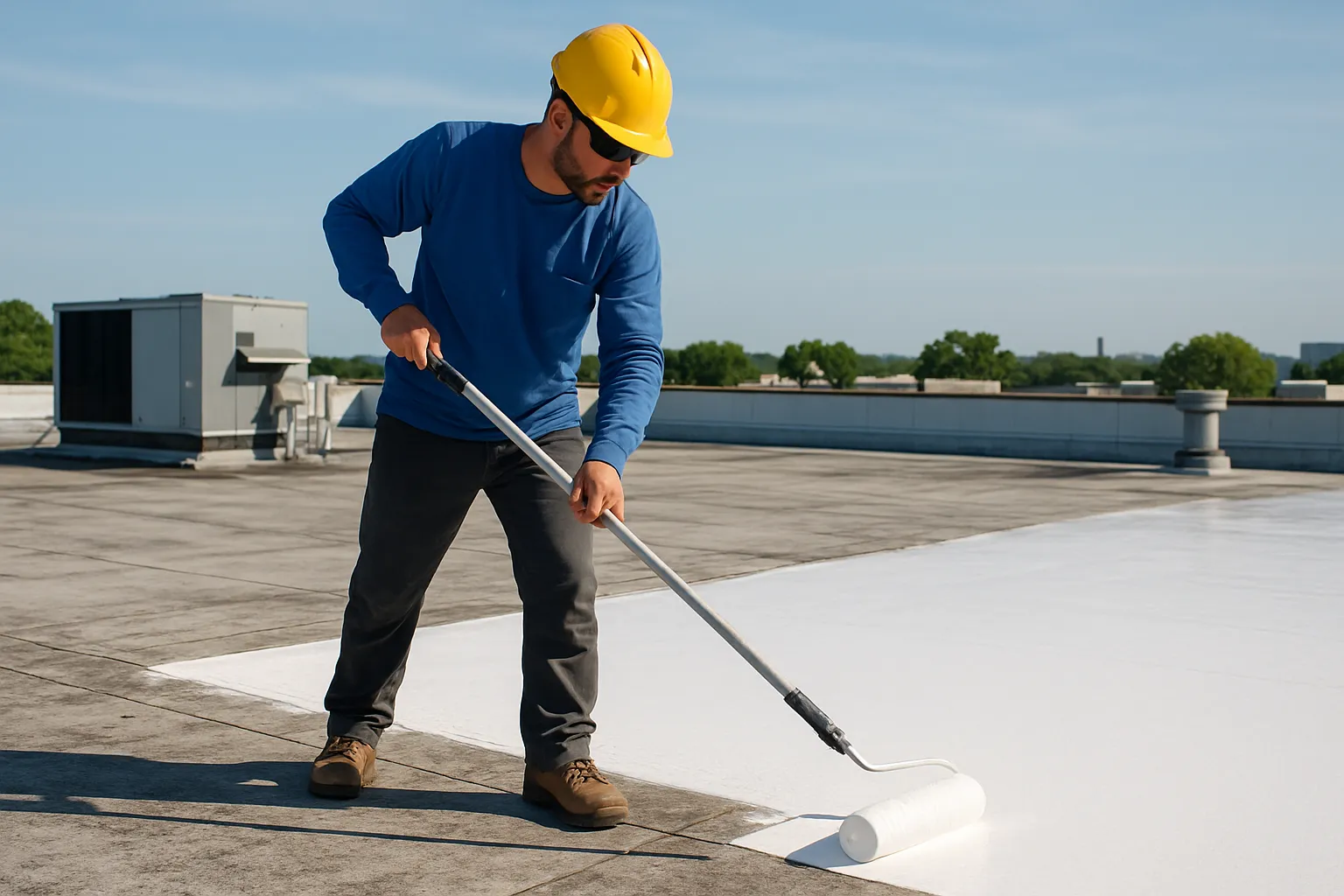
Restoration or coating may be suitable when the existing roof is substantially sound, dry, properly attached, and compatible with the proposed system. The contractor should verify substrate condition, adhesion, reinforcement, drainage, detailing, and warranty terms. Coatings do not correct structural deflection, widespread wet insulation, unstable membranes, or fundamentally failed flashings.
Replacement becomes more defensible when deterioration is widespread, moisture is present throughout the assembly, repairs are frequent, the roof has limited remaining serviceability, insulation performance is poor, drainage problems are persistent, or warranty and code objectives cannot be met through repair. A replacement plan should address phasing, tenant protection, business continuity, disposal, insulation, edge securement, fire and wind requirements, and commissioning.
Compare options using total cost of ownership rather than invoice price alone. Include emergency service, interior damage, tenant disruption, energy performance, maintenance labor, warranty value, expected serviceability, financing, and the consequences of delaying capital work. Reflective roof products may reduce heat gain in suitable climates and assemblies, but energy outcomes depend on building use, insulation, HVAC efficiency, weather, and roof condition. Request project-specific calculations instead of assuming a universal savings figure.
Build a Better Commercial Roofing Scope and Bid
- Provide bidders with roof plans, access rules, tenant constraints, known leaks, warranty documents, and inspection reports.
- Require each proposal to identify the existing and proposed assemblies, membrane thickness, insulation, cover board, attachment, flashing, edge metal, drainage work, and disposal.
- Request a repair map, moisture investigation method, manufacturer requirements, safety plan, schedule, and emergency-response process.
- Compare warranty terms carefully, including workmanship coverage, manufacturer coverage, exclusions, maintenance obligations, inspection requirements, and transfer conditions.
- Ask how the contractor will protect occupants, inventory, HVAC equipment, landscaping, vehicles, and active business operations.
- Evaluate commercial roofing companies by relevant building experience, trained installers, references, insurance, safety record, documentation quality, and ability to service the property after installation.
For a small retail or office roof, a targeted repair and maintenance program may be the most practical choice. For a large warehouse, healthcare campus, or multifamily portfolio, phased replacement, standardized specifications, and centralized inspection data can improve budget control and reduce operational surprises.
Frequently Asked Questions
How much does commercial flat roofing cost?
Commercial flat roofing costs vary by system, roof size, access, insulation, tear-off requirements, drainage, substrate condition, labor market, building occupancy, and warranty level. A small repair, preventative-maintenance visit, restoration, and full replacement are different scopes and should not be compared by a single square-foot figure. Request a written roof assessment, detailed scope, allowances, alternates, and lifecycle assumptions from qualified commercial contractors.
Is it better to repair or replace a commercial flat roof?
Repair is usually appropriate for isolated defects in an otherwise serviceable assembly. Replacement becomes more likely when moisture, membrane deterioration, failed flashings, ponding, or recurring leaks are widespread. Property managers should compare repair frequency, interior-loss exposure, maintenance obligations, remaining serviceability, energy objectives, warranty requirements, and business disruption. An independent moisture investigation can help separate localized repairs from a capital replacement need.
Can a commercial roof coating stop leaks and extend roof life?
A coating can be part of a restoration strategy when the existing roof is structurally sound, dry, adequately attached, properly detailed, and compatible with the coating system. It cannot reliably correct saturated insulation, major deck problems, active movement, widespread membrane failure, or inadequate drainage. Require substrate preparation, adhesion testing where appropriate, detail treatment, thickness verification, and written warranty conditions before approving the work.
What commercial flat roofing system is best for a warehouse or industrial building?
There is no universal best system. Warehouses and industrial buildings require evaluation of roof size, rooftop traffic, chemical or grease exposure, exhaust, interior humidity, wind, hail, fire requirements, drainage, insulation, and future equipment plans. TPO, PVC, EPDM, modified bitumen, BUR, and metal can each be appropriate in specific assemblies. Specify performance requirements and complete assemblies, then compare qualified bids.
How do commercial roof warranties affect maintenance and repairs?
A warranty may require approved materials, qualified installers, documented inspections, prompt reporting, and regular maintenance. Unauthorized penetrations, incompatible sealants, neglected drainage, unapproved coatings, or repairs by nonqualified parties can create coverage disputes. Keep the warranty, as-built drawings, closeout documents, inspection reports, repair logs, photographs, and contractor contacts in the property’s permanent asset file.
What should a facility manager do after a commercial roof leak?
Protect occupants and contents, place temporary containment, notify the responsible property contacts, and document the date, weather, affected areas, and operational impact. Contact a qualified commercial roofing contractor promptly. Do not assume the ceiling stain marks the entry point, and do not authorize incompatible materials or broad roof alterations before the system is identified. Track the investigation and repair through closeout.
Related Reading on My Roofing Tech
- ABC Supply CEO Transition: What It Means for Commercial Roofing Buyers
- ABC Supply CEO Change: What It Means for Commercial Roofing Buyers
Find a Qualified Commercial Roofing Contractor
Need help acting on this? Browse roofing contractors in your area, or explore commercial roofing services like preventative maintenance, inspections, and emergency response. Are you a contractor? List your business on My Roofing Tech to reach property and facility managers actively searching for help.