 My Roofing Tech
Section 179D Commercial Roofing Incentive Faces June 2026 Deadline
Quick Answers for Property & Facility Managers
What does the Section 179D deadline mean for commercial roofing projects?
Section 179D currently does not apply to eligible commercial building property whose construction begins after June 30, 2026. Facility managers should review planned roof replacements, recoveries, insulation upgrades, and energy-efficiency retrofits now, document project timing, and coordinate with tax advisers before relying on the deduction for project economics.
Can a commercial roof replacement qualify for Section 179D?
A roof project may contribute to a qualifying energy-efficient commercial building improvement when it is part of an eligible building project and satisfies applicable technical and tax requirements. Eligibility depends on the complete project, construction timing, energy modeling, documentation, and ownership structure—not simply on installing a TPO, PVC, EPDM, metal, or coated roof.
Why is NRCA asking Congress to restore Section 179D?
NRCA says Section 179D encourages private investment in commercial infrastructure upgrades and supports work across roofing, construction, engineering, architecture, and manufacturing. Restoring the deduction could give building owners greater certainty when evaluating energy-efficient roof assemblies, insulation, daylighting, HVAC coordination, and other capital improvements.
Section 179D Deadline Creates Planning Pressure for Commercial Building Owners
The National Roofing Contractors Association joined industry partners in urging Congress to restore the Section 179D deduction for energy-efficient commercial buildings. Under current law, Section 179D does not apply to property whose construction begins after June 30, 2026.[3]
For facility managers, property managers, and commercial real estate professionals, the issue is larger than a tax line item. The deduction can affect how owners evaluate roof replacements, energy retrofits, insulation improvements, and coordinated building-system upgrades. The deadline creates uncertainty for projects that are still in budgeting, design, procurement, or approval.
NRCA has supported Section 179D because the incentive can encourage private investment in commercial infrastructure upgrades. The association is urging Congress to restore the incentive for future projects rather than allowing the current construction-start limitation to shape long-term capital planning.[3]
What Section 179D Means for Commercial Roofing and Energy Projects
Section 179D is a federal deduction for qualifying energy-efficient commercial building property and certain retrofit projects. The U.S. Department of Energy identifies applicable building energy modeling methodologies and references standards such as ANSI/ASHRAE/IES Standard 90.1 and California’s Title 24 Alternative Calculation Method for certain project dates and conditions.[2]
A roofing project is not automatically eligible because it uses a reflective membrane or high-performance insulation. Commercial roof work must be evaluated as part of the applicable building project, including the building envelope, energy performance, placed-in-service timing, ownership structure, and required certification or modeling.
That distinction matters when comparing a conventional roof replacement with a larger capital program. A TPO or PVC membrane, EPDM system, modified bitumen assembly, built-up roof, metal roof, or roof coating may be included in an energy-efficiency strategy, but the material alone does not establish Section 179D eligibility.
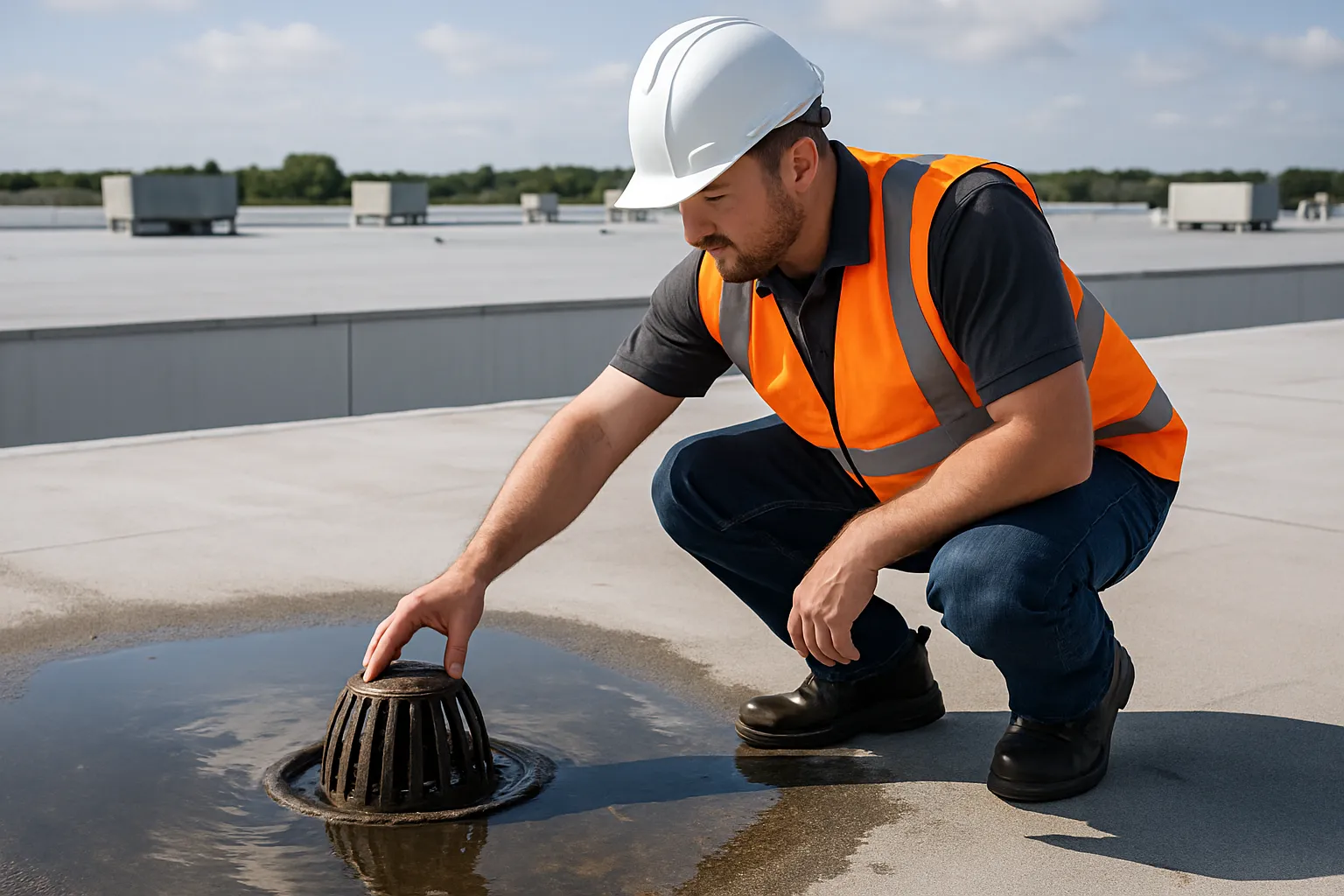
Commercial Roof Projects That Deserve Immediate Review
Property teams should identify projects whose schedules could be affected by the current deadline or by Congress changing the law. The review should include:
- Full roof replacements on office, retail, industrial, warehouse, healthcare, multifamily, and institutional buildings.
- Roof recoveries that add insulation or alter the thermal performance of an existing low-slope assembly.
- Large-scale membrane replacement programs involving TPO, PVC, EPDM, modified bitumen, or BUR.
- Metal roof replacement, retrofit, or restoration projects that are coordinated with insulation and air-barrier improvements.
- Roof coating programs intended to extend service life while improving reflectivity or reducing heat gain.
- Projects that combine roofing with HVAC upgrades, lighting, controls, solar readiness, or broader building-envelope work.
Roofing work should be screened early because design changes can affect insulation thickness, drainage, flashing details, rooftop equipment curbs, wind-uplift resistance, fire performance, and manufacturer warranty requirements.
How Facility Managers Should Evaluate Project Timing and Documentation
The construction-start deadline makes project documentation especially important. Facility managers should not assume that a purchase order, design contract, permit application, or budget approval alone establishes eligibility. The applicable tax rules and a qualified tax professional should determine what constitutes the relevant construction start and what records are required.
Project files should clearly identify the building, scope, ownership, design basis, construction milestones, invoices, energy calculations, product data, and commissioning or closeout records. Maintain records for the roof assembly, insulation values, membrane specification, approved shop drawings, manufacturer warranty, and any energy model or certification supporting the project.
Construction schedules should also distinguish preliminary planning from physical work. The legal treatment of project timing can be technical, and a roofing contractor, design professional, energy modeler, and tax adviser may each have different documentation responsibilities. Owners should resolve those questions before accelerating work or changing procurement decisions.
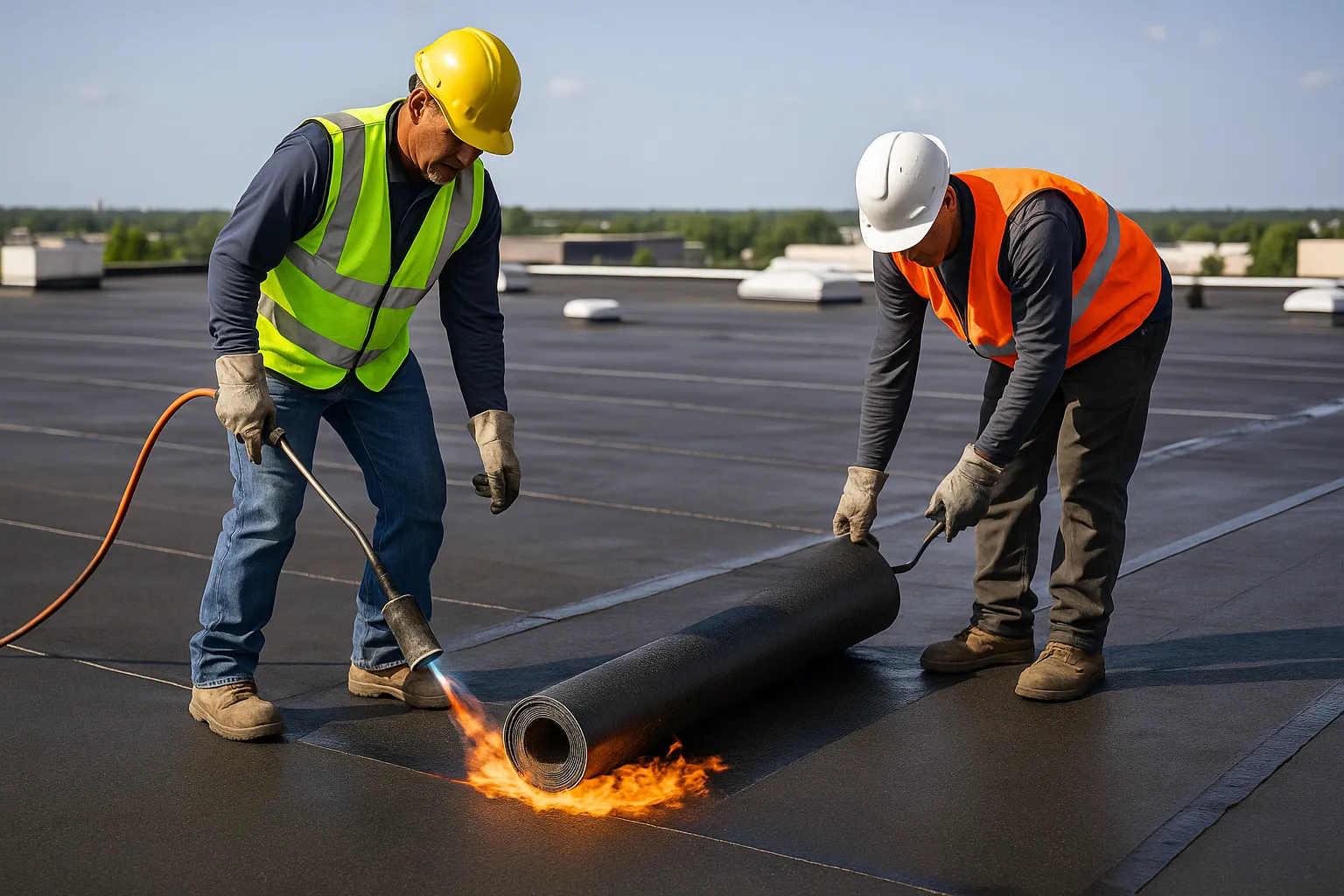
Roof System Selection Still Requires Code, Warranty, and Performance Review
Tax treatment should never replace sound commercial roofing due diligence. A project must still satisfy applicable building-code requirements, including relevant International Building Code roofing provisions, fire classifications, drainage rules, and wind-uplift requirements. Local amendments and adopted energy codes can change the design criteria.
For low-slope roofs, the design team should evaluate insulation continuity, vapor control, tapered insulation, crickets, drains, scuppers, and the consequences of ponding water. Membrane seams, penetrations, perimeter metal, edge securement, and flashing details are critical to long-term performance regardless of whether the project involves TPO, PVC, EPDM, modified bitumen, BUR, or coatings.
Owners should also confirm that the proposed assembly is compatible with the manufacturer’s warranty. Some warranties require approved components, specified attachment methods, enhanced inspections, or manufacturer involvement. FM Global property-loss-prevention criteria, ASTM roofing standards, and insurer requirements may add project-specific performance expectations.
Energy Efficiency Must Be Balanced With Roof Service Life
An energy-efficient roof strategy should support the building’s operating needs rather than pursue reflectivity or insulation in isolation. Facility managers should consider climate, HVAC interaction, interior conditions, tenant use, roof access, maintenance traffic, rooftop equipment, and future solar or mechanical upgrades.
For example, a reflective membrane or coating may be appropriate for one building but less suitable where substrate conditions, ponding water, chemical exposure, foot traffic, or warranty limitations create greater risk. Additional insulation may improve thermal performance, but it can affect fastener lengths, edge geometry, drainage elevations, flashing heights, and existing roof-load or structural assumptions.
Energy modeling and code compliance should be coordinated with roofing design. Title 24, ASHRAE-based methods, local energy codes, and project-specific owner standards may apply depending on the building location and project timing.[2] A commercial roofing consultant can help connect the roof assembly to the broader envelope and mechanical strategy.
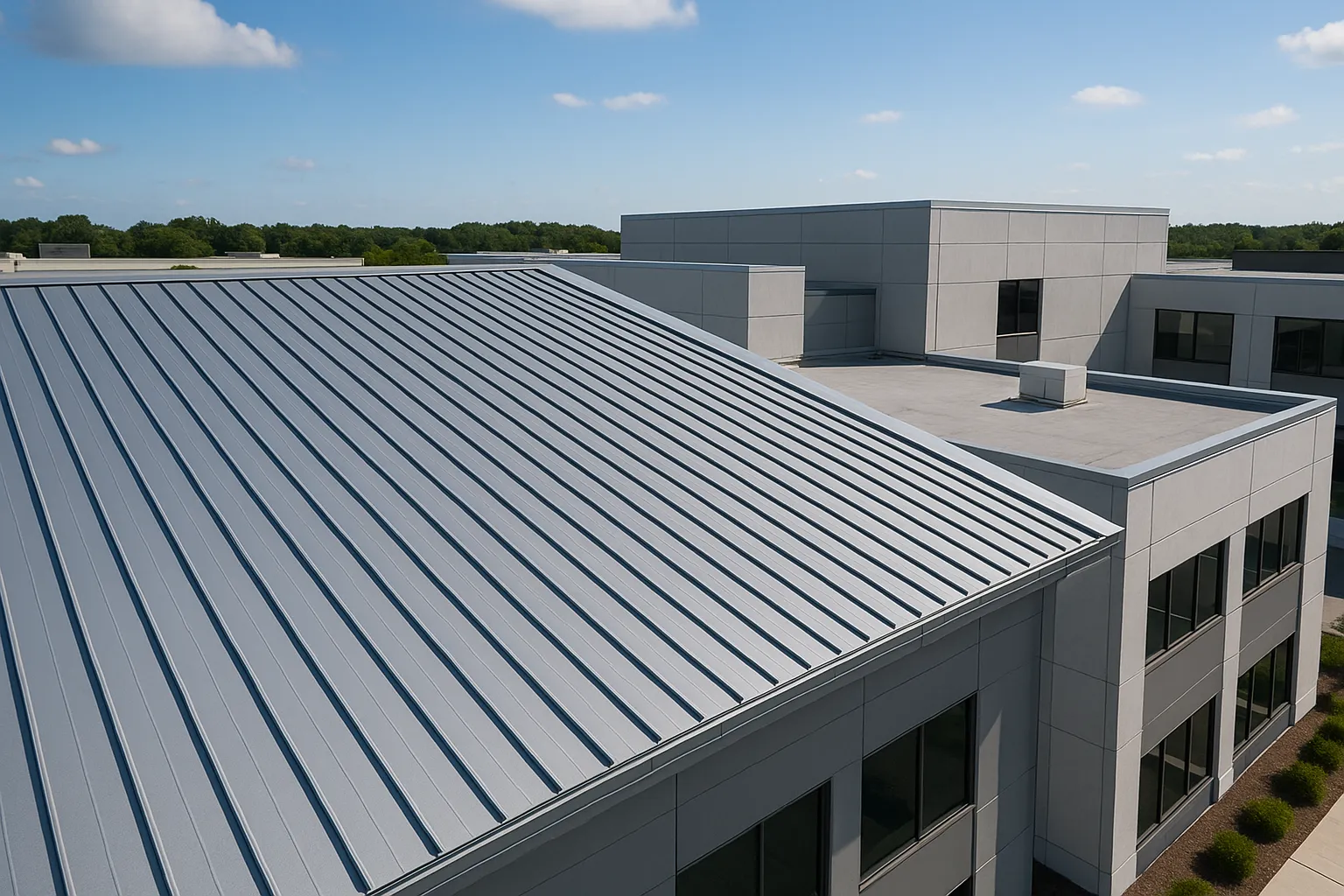
Action Plan for Property and Facility Management Teams
Owners do not need to wait for congressional action to improve project readiness. The following steps can reduce avoidable delays and improve decision quality:
- Inventory planned roof replacements, recoveries, coatings, and envelope retrofits through the current capital-planning cycle.
- Separate emergency leak response and maintenance work from capital projects that may require design, modeling, permits, or manufacturer review.
- Ask the roofing consultant and tax adviser to review Section 179D applicability independently; do not treat contractor estimates as tax advice.
- Request an assembly-level comparison covering energy performance, service life, drainage, wind uplift, fire classification, maintenance, and warranty terms.
- Confirm whether the proposed work must coordinate with HVAC, lighting, controls, solar, or other energy-efficiency improvements.
- Preserve construction-start, procurement, inspection, modeling, and closeout documentation in the property’s permanent asset records.
The current policy uncertainty reinforces the value of disciplined roof asset management. Whether Congress restores Section 179D or the deduction remains limited, owners still benefit from prioritizing roofs by condition, failure risk, energy impact, occupancy requirements, and total life-cycle cost.
Frequently Asked Questions
Does Section 179D apply to commercial roof replacements after June 30, 2026?
Under current law, Section 179D does not apply to property whose construction begins after June 30, 2026.[1][2] Congress could change that outcome, which is why NRCA and industry partners are seeking restoration. Owners should not assume future eligibility; they should have a tax adviser review construction timing, project scope, building ownership, energy modeling, and required records before incorporating the deduction into a roof replacement or retrofit budget.
Can a reflective commercial roof qualify for the 179D deduction by itself?
Not necessarily. A reflective TPO, PVC, coating, or other roof surface does not automatically qualify for Section 179D. Eligibility depends on statutory requirements and the performance of the complete commercial building project. The owner should evaluate insulation, envelope performance, energy modeling, applicable standards, construction timing, and certification requirements with qualified tax and design professionals.
What commercial roofing upgrades should property managers evaluate for energy efficiency?
Review insulation upgrades, tapered insulation and drainage corrections, reflective membranes or coatings, air-sealing details, roof-to-wall transitions, curb and penetration flashing, and coordination with HVAC or solar work. The best option depends on climate, existing assembly, ponding water, rooftop equipment, occupancy, code requirements, insurer criteria, and manufacturer warranty conditions.
How should owners document a commercial roofing project for potential tax review?
Maintain the scope, construction contract, project schedule, construction-start evidence, invoices, product data, energy calculations, drawings, inspection reports, commissioning records, and final roof warranty. Keep roof assembly details and insulation values with the building’s permanent asset records. A tax professional should determine which documents substantiate Section 179D eligibility and how the deduction is claimed.
Does Section 179D replace commercial roofing code and warranty requirements?
No. Tax incentives do not replace the International Building Code, adopted energy codes, fire and wind-uplift requirements, insurer standards, ASTM-based specifications, or manufacturer warranty conditions. A qualifying project still needs a properly designed and installed roof assembly with effective drainage, compliant flashing, suitable materials, and documentation that supports long-term building performance.
Related Reading on My Roofing Tech
- TPO Roofing Installation: A Commercial Building Owner’s Guide
- TPO Roofing Material: A Commercial Facility Manager’s Guide to Selection, Repair, and ROI
Find a Qualified Commercial Roofing Contractor
Need help acting on this? Browse roofing contractors in your area, or explore commercial roofing services like preventative maintenance, inspections, and emergency response. Are you a contractor? List your business on My Roofing Tech to reach property and facility managers actively searching for help.
Sources
Originally sourced from National Roofing Contractors Association