 My Roofing Tech
Tecta America Commercial Roofing Acquires Babilla Roofing in Indiana
Quick Answers for Property & Facility Managers
What does Tecta America’s acquisition of Babilla Roofing mean for commercial property managers?
Tecta America’s acquisition expands its commercial roofing network in Indiana while Babilla Roofing continues operating under its existing name and leadership. For property managers, the transaction may provide continuity with local personnel while adding access to the resources of a larger commercial roofing platform. Existing contracts, warranties, and service arrangements should still be reviewed directly with the contractor.
Will Babilla Roofing continue providing commercial roof repair and maintenance after the acquisition?
Yes. Babilla Roofing is expected to continue providing commercial roofing services under the Babilla Roofing name, with Chuck Babilla remaining president and the existing leadership team and employees staying in place. Facility managers should confirm service contacts, emergency leak-response procedures, warranty administration, and billing details during any operational transition.
Why are commercial roofing acquisitions important to building owners?
Commercial roofing acquisitions can change a contractor’s geographic reach, staffing resources, purchasing capacity, and ability to support multi-property portfolios. Building owners should evaluate whether local service continuity remains intact, who is responsible for manufacturer warranties, and whether the contractor can meet project, safety, scheduling, and documentation requirements across office, retail, industrial, warehouse, healthcare, and institutional facilities.
Tecta America Acquires Gary, Indiana Commercial Roofing Contractor Babilla Roofing
Tecta America announced on September 28, 2026, that it acquired Babilla Roofing, a commercial roofing company headquartered in Gary, Indiana. The transaction is Tecta America’s third acquisition of 2026 and expands the company’s commercial roofing operations in the region.
Babilla Roofing was founded in 1985 and provides commercial re-roofing, new construction, service, and maintenance throughout Indiana. The company will operate as Babilla Roofing, a Tecta America Company, LLC. Chuck Babilla will remain president and continue leading the business with the existing leadership team, while employees remain in place.
For facility managers, property managers, and commercial real estate professionals, the most important issue is not the transaction itself but how the change affects roof performance, service response, warranty administration, project delivery, and long-term asset planning.
What the Babilla Roofing Acquisition Means for Facility Managers
The announced operating structure indicates an emphasis on local continuity. Babilla Roofing is retaining its name, leadership, and employees rather than immediately being absorbed into a different local brand. That can reduce friction for commercial clients that already rely on established contacts for leak response, inspections, maintenance, and capital planning.
Facility managers should nevertheless request updated business information in writing. Important details include the legal contracting entity, accounts-payable instructions, emergency contact numbers, insurance certificates, safety documentation, and the person responsible for active projects. These records are particularly important for portfolios with multiple buildings or properties managed under separate ownership entities.
The acquisition should not automatically be treated as a change to an existing roof warranty. Manufacturer warranties, contractor workmanship warranties, maintenance agreements, and service-level commitments depend on their specific terms. Property teams should verify whether any notice, assignment, or administrative update is required.
Commercial Roofing Services and Building Types Affected
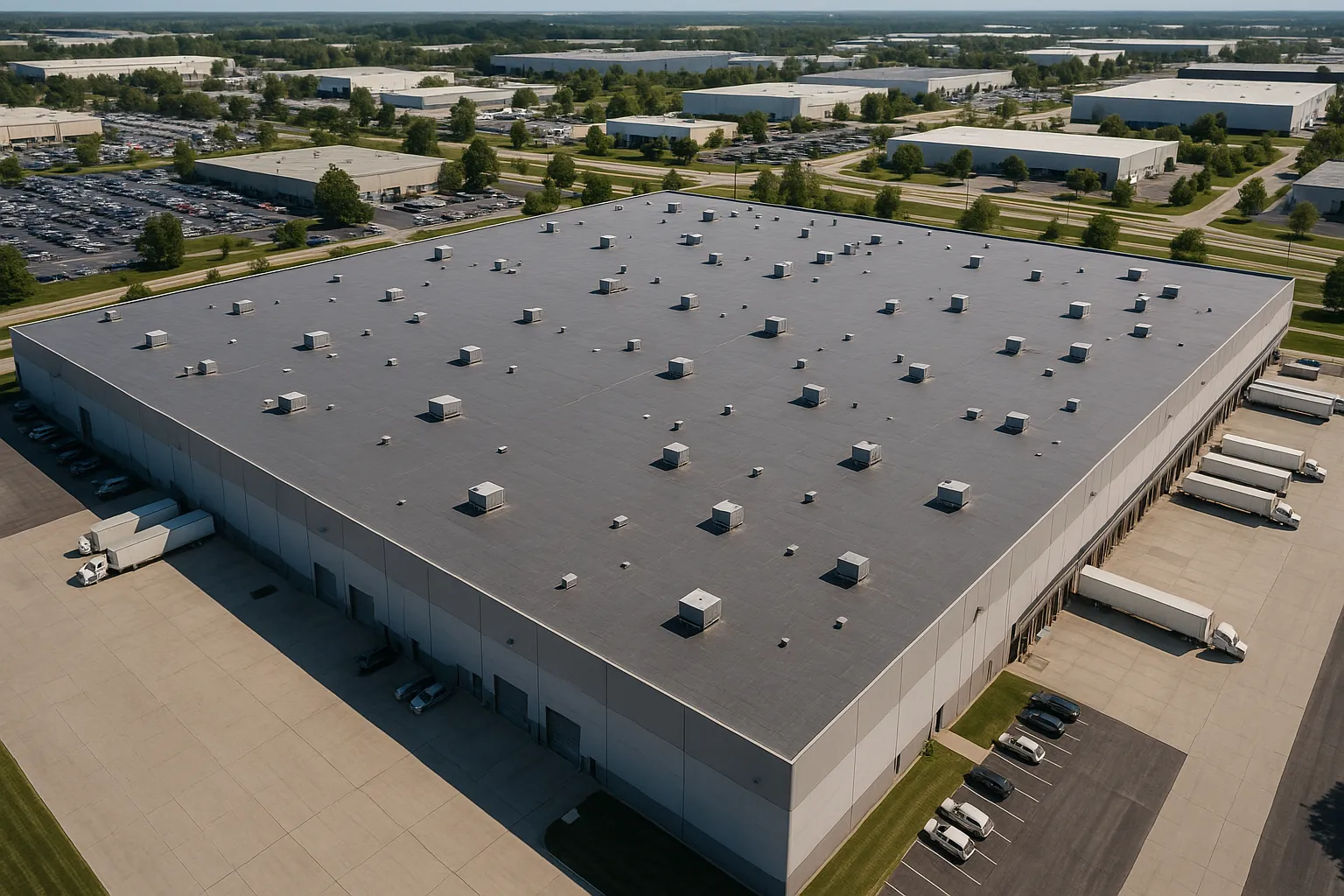
Babilla Roofing’s stated services include re-roofing, new construction, service, and maintenance. Those categories cover the work most relevant to commercial building owners, including planned membrane replacement, localized leak repair, flashing work, preventive inspections, and response to storm or weather-related damage.
The practical implications vary by property type. Office and retail buildings often require work to be phased around tenants and operating hours. Industrial and warehouse facilities may involve large low-slope roof areas, rooftop equipment, loading operations, and complex fall-protection coordination. Healthcare and institutional facilities typically require stricter infection-control, access, noise, and scheduling procedures. Multifamily properties require coordination among owners, managers, occupants, and other building-service vendors.
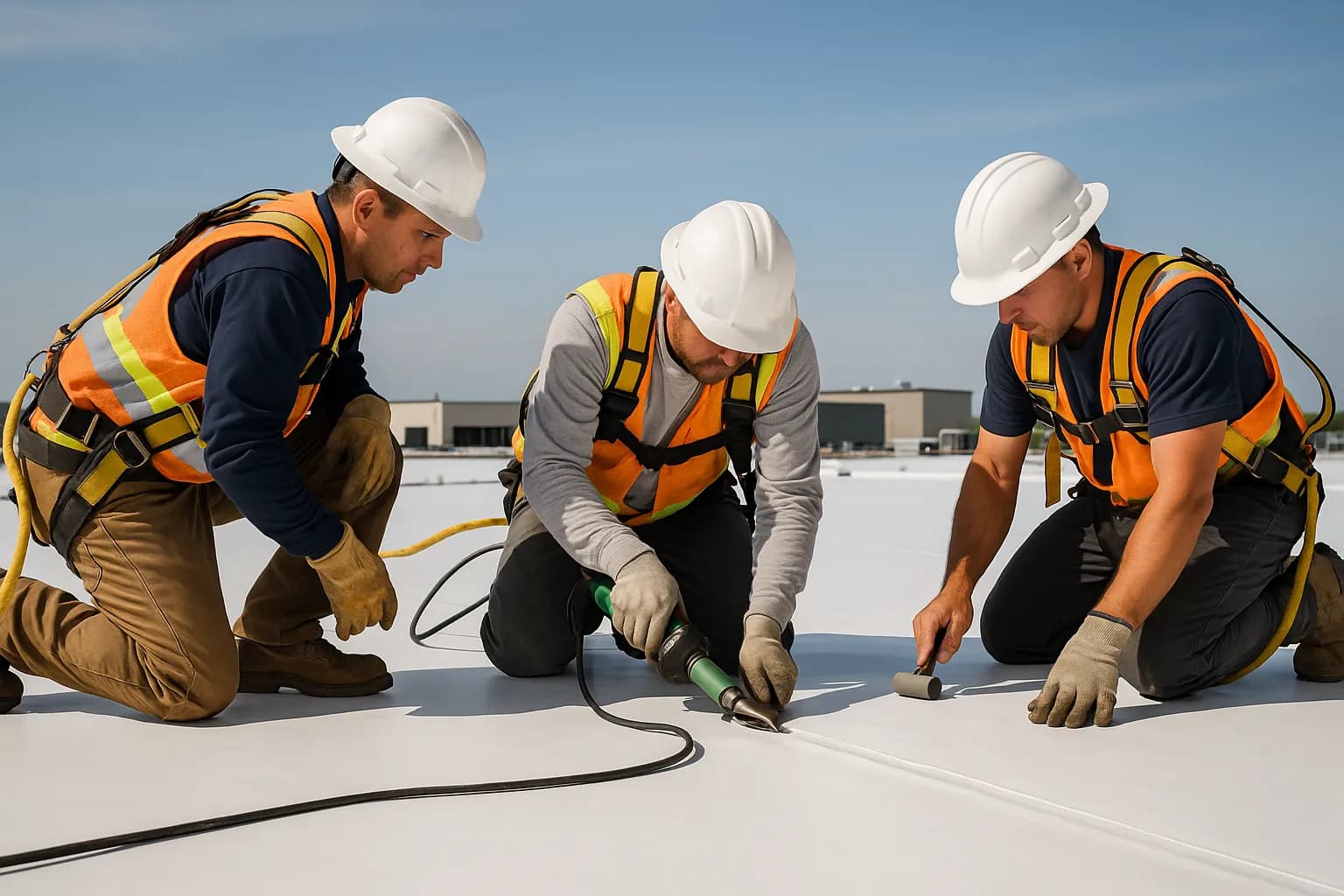
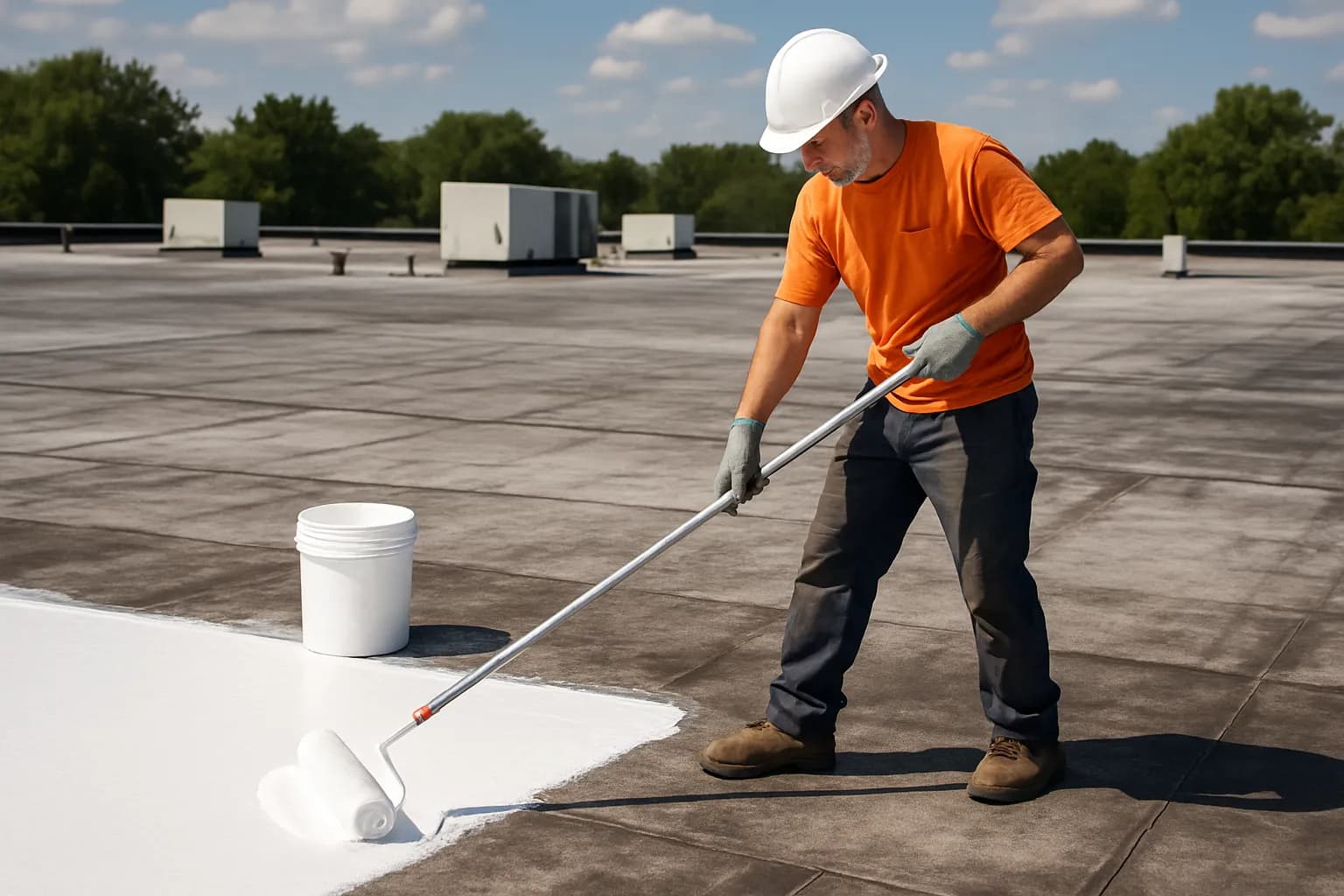
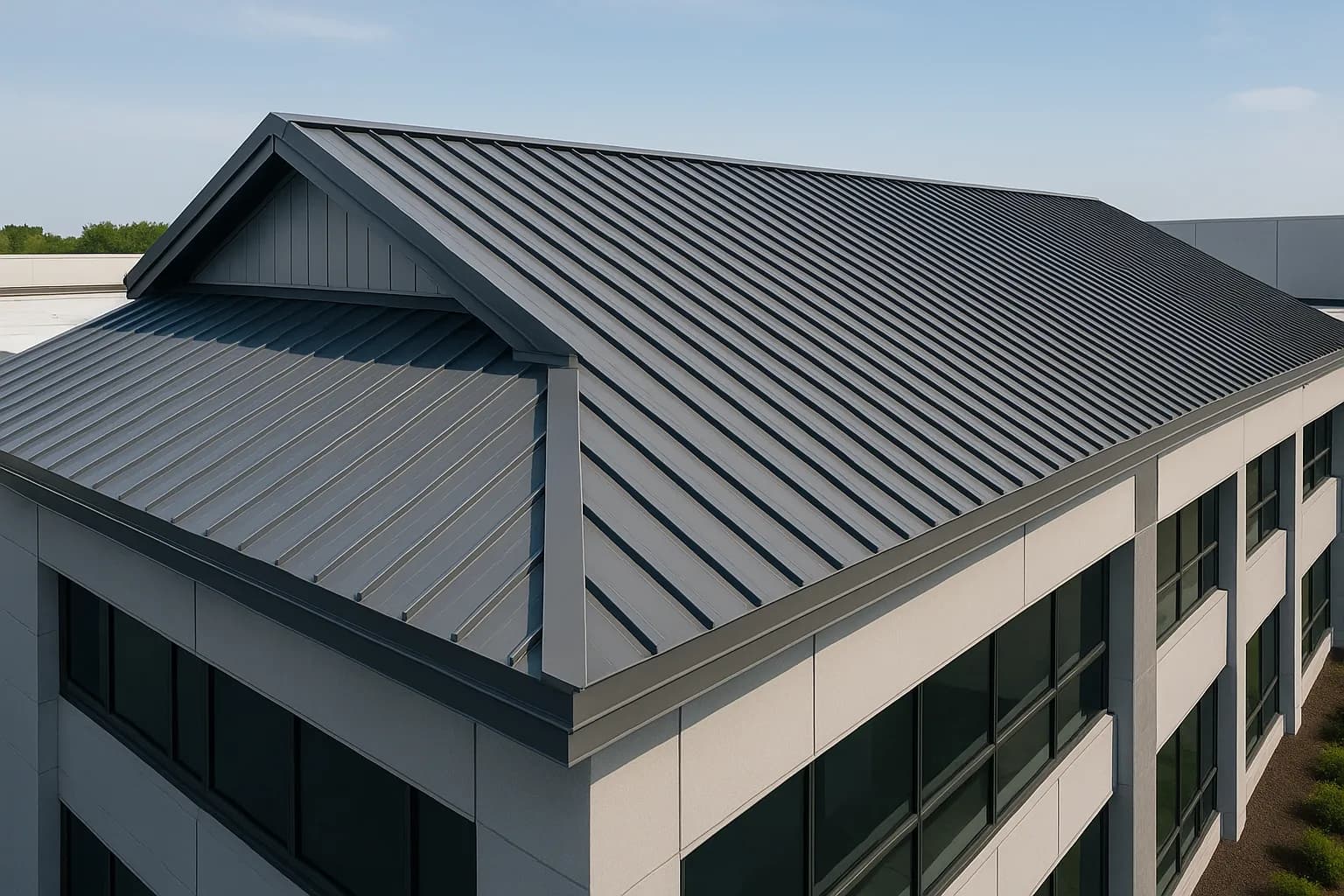
Roof system considerations should remain project-specific. TPO and PVC membranes may require attention to seams, penetrations, edge metal, and flashing transitions. EPDM systems commonly require inspection of seams, pipe boots, perimeter details, and repairs. Modified bitumen and built-up roofing require evaluation of membrane condition, surfacing, flashings, and concealed moisture. Metal roofs require review of fasteners, panel joints, oxidation, penetrations, closures, and wall interfaces. Coating projects require suitable substrate conditions, adhesion, drainage evaluation, and documented preparation.
How Owners Should Review Existing Roof Contracts and Warranties
Commercial real estate professionals should inventory every active agreement involving Babilla Roofing before the next budgeting or renewal cycle. The review should include inspection contracts, preventive-maintenance programs, open repair authorizations, re-roofing proposals, construction contracts, retainage, warranty documents, and unresolved punch-list items.
- Confirm the contractor and contracting entity named in each agreement.
- Identify manufacturer warranties for TPO, PVC, EPDM, modified bitumen, BUR, metal, and coating systems.
- Document the required inspection, maintenance, and repair procedures for each warranty.
- Confirm who will perform emergency leak response and how after-hours calls are escalated.
- Request updated certificates of insurance, licenses, safety records, and subcontractor information where applicable.
- Compare service coverage with the geographic needs of the property portfolio.
Manufacturer warranties may require approved materials, authorized installers, periodic inspections, and documented maintenance. A property team should not assume that a corporate acquisition changes those obligations or eliminates them. The owner’s roof records should identify the membrane manufacturer, installation date, warranty number, system assembly, insulation, cover board, fasteners, edge details, and repair history.
Roof Asset Management Standards That Still Apply After an Acquisition
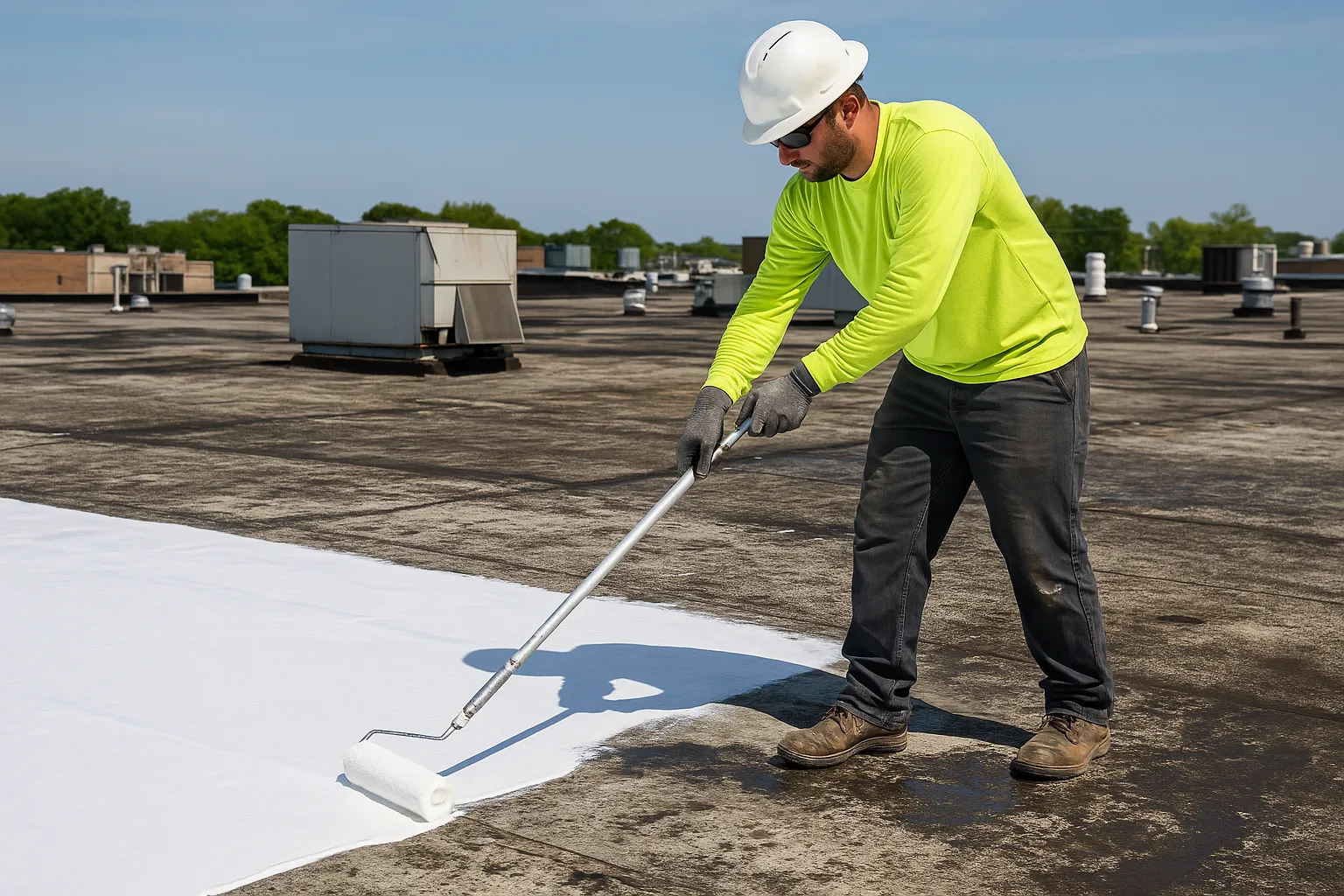
A change in ownership or corporate affiliation does not change the technical requirements for a sound commercial roof program. Facility managers should continue using condition assessments, roof plans, photo documentation, moisture investigations where appropriate, and prioritized capital plans.
The National Roofing Contractors Association provides widely used guidance for commercial roof design, installation, inspection, and maintenance. Applicable building-code requirements may include the International Building Code roofing provisions, local amendments, wind-resistance criteria, fire classifications, drainage requirements, and requirements for rooftop equipment and penetrations.
FM Global requirements may apply to insured properties or facilities designed around FM approvals. ASTM roofing standards are commonly used for evaluating materials, test methods, and system performance. Cool-roof and energy-code requirements may also affect replacement decisions, particularly in jurisdictions applying rules such as California Title 24. The applicable requirements depend on the property location, occupancy, project scope, and adopted code edition.
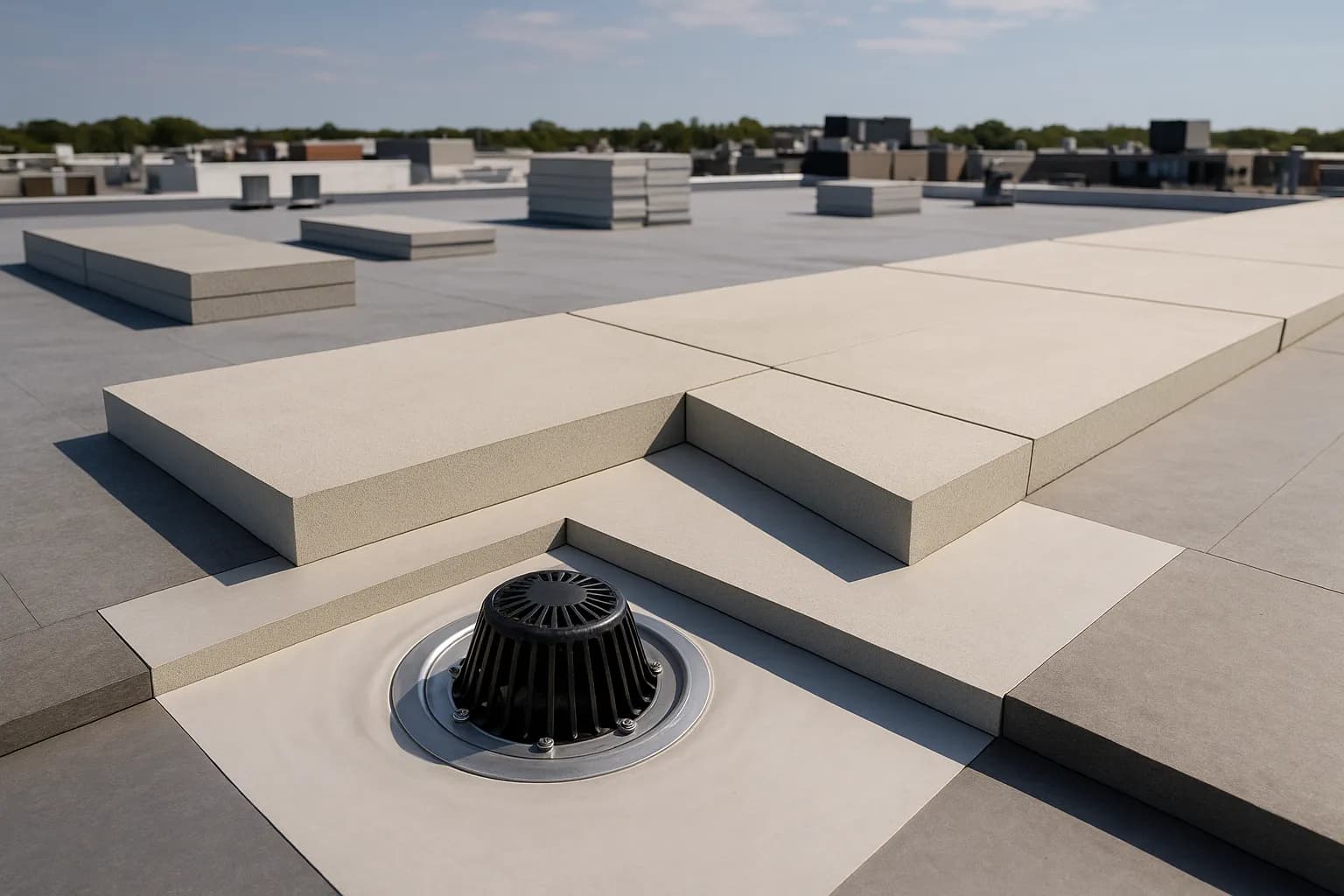
Wind-uplift design deserves particular attention on low-slope roofs. The roof assembly, perimeter and corner zones, fastener patterns, edge securement, adhesives, membrane, insulation, and cover board must be evaluated as a system. A replacement or major repair should not be specified solely from the visible membrane condition when wind exposure, existing assembly, or code requirements may have changed.
Practical Action Plan for Indiana Commercial Property Portfolios
Property managers overseeing Indiana buildings can use the acquisition announcement as a prompt to update their roofing records and vendor controls. The following actions are appropriate whether the property has a single warehouse or a regional portfolio of office, retail, industrial, healthcare, or institutional buildings.
- Ask Babilla Roofing for a written transition contact sheet covering service, estimating, warranty, billing, and emergency response.
- Reconcile open work orders, proposals, purchase orders, retainage, and unresolved leaks.
- Schedule a roof condition review for assets lacking a current inspection or documented maintenance history.
- Verify that active manufacturer and contractor warranties remain properly documented and administered.
- Update the property’s roof asset register with system type, age, warranty status, drainage concerns, penetrations, and previous repairs.
- Prioritize ponding water, deteriorated flashings, failed seams, damaged metal edges, wet insulation, and recurring leak locations.
Recurring leaks should be investigated rather than repeatedly patched without identifying the source. On low-slope roofs, water may travel beneath membranes or insulation before appearing inside the building. Drainage, scuppers, crickets, tapered insulation, rooftop equipment supports, parapets, expansion joints, and wall flashings should be reviewed as part of a complete diagnosis.
What Commercial Buyers Should Evaluate in a Roofing Partner
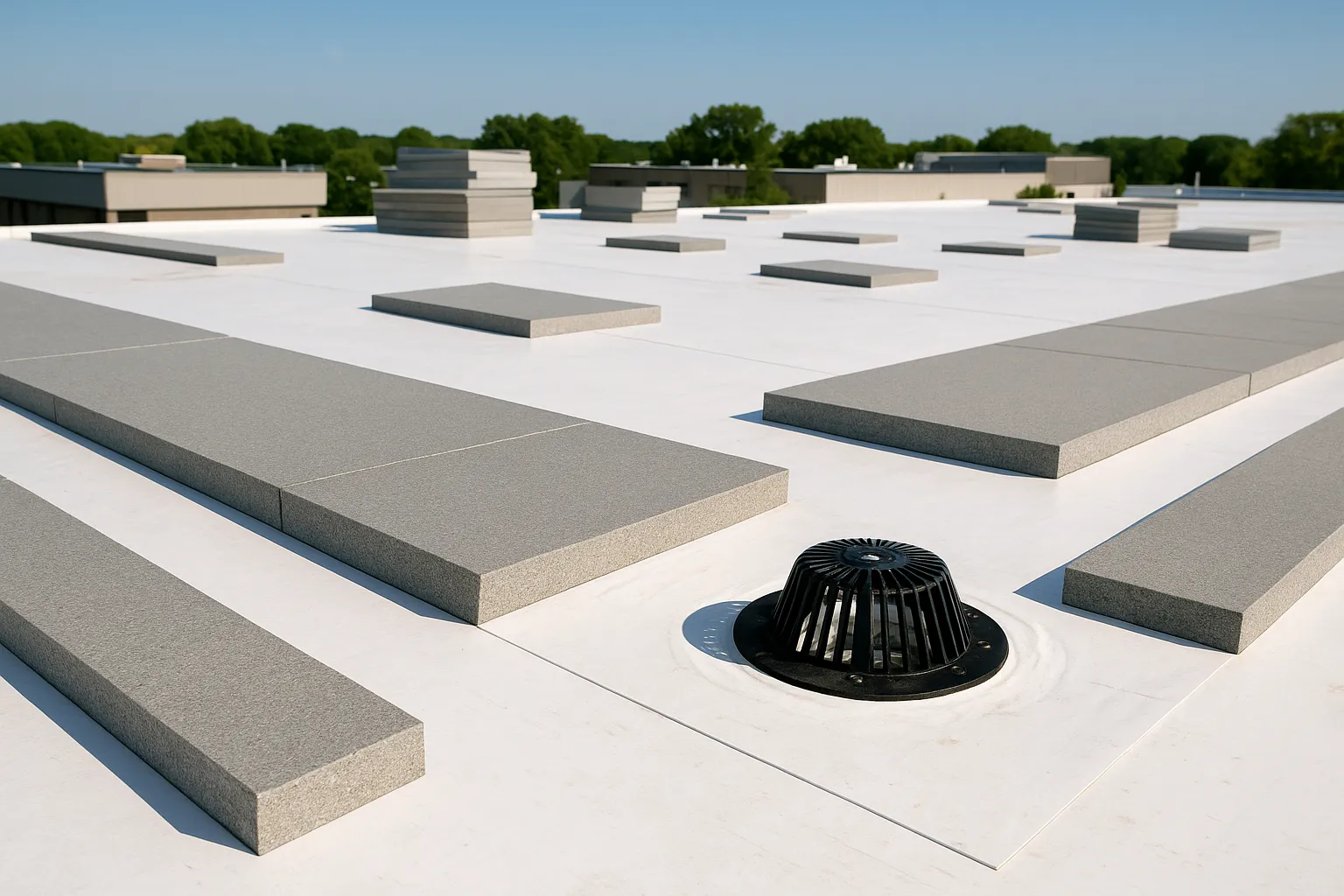
The acquisition creates a relevant due-diligence question for owners and general contractors: can the roofing provider deliver consistent service at the required scale while preserving local accountability? The answer should be assessed through documented capabilities rather than corporate size alone.
Buyer criteria should include experience with the specific roof system, manufacturer credentials, response times, estimating and project-management capacity, safety performance, quality-control procedures, warranty support, references for comparable buildings, and the ability to provide closeout documentation. For larger re-roofing or new-construction projects, review submittals, shop drawings, roof assembly approvals, wind-uplift data, material storage plans, sequencing, temporary weather protection, and inspection responsibilities.
For portfolio owners, a larger platform may offer broader geographic coverage and additional resources, while a local operating team may preserve market knowledge and established relationships. The right evaluation depends on the building’s risk profile, roof complexity, occupancy, capital budget, and required response time. The Babilla Roofing transaction provides a reason to confirm those factors before the next roof emergency or capital project.
Frequently Asked Questions
Should a property manager change roofing vendors after Tecta America acquires Babilla Roofing?
Not automatically. The announcement states that Babilla Roofing will retain its name, president, existing leadership team, and employees. Property managers should first confirm service continuity, contract administration, warranty responsibilities, insurance documentation, and emergency response procedures. A vendor change may be appropriate only if the provider no longer meets the property’s requirements for expertise, coverage, responsiveness, safety, documentation, or cost control.
How should commercial building owners protect manufacturer roof warranties during a contractor acquisition?
Owners should review the warranty language and confirm whether assignment, contractor-status, inspection, or notification requirements apply. Request written confirmation of the responsible warranty contact, maintain required inspections and repairs, use approved materials and procedures, and retain invoices, photographs, reports, and closeout documents. Manufacturer requirements vary by roof system and warranty type, so the actual warranty controls.
Does a larger commercial roofing platform necessarily provide better return on investment?
No. A larger platform may offer broader resources, geographic coverage, purchasing capacity, and administrative support, but return on investment depends on execution. Owners should compare total lifecycle cost, service response, repair quality, warranty support, project controls, energy and code compliance, and expected roof service life. A lower initial bid is not necessarily the lowest-cost option for a commercial roof asset.
What should be included in a commercial roof acquisition-transition checklist?
The checklist should include active contracts, open work orders, proposals, warranties, inspection history, roof plans, system specifications, emergency contacts, billing instructions, insurance certificates, safety records, licenses, subcontractor information, and unresolved claims. Managers should also confirm who owns project closeout documents and who will administer manufacturer and contractor workmanship warranties after the transition.
What roof systems should facility managers evaluate during a commercial roofing service review?
Facility managers should identify whether each building has TPO, PVC, EPDM, modified bitumen, built-up roofing, metal roofing, or a coating system. The review should cover membrane or panel condition, seams, flashings, penetrations, perimeter securement, drainage, insulation, rooftop equipment, ponding water, and prior repairs. The appropriate inspection and repair approach depends on the assembly and warranty requirements.
Related Reading on My Roofing Tech
- How to Get Insurance to Pay for Roof Replacement: A Commercial Guide
- Industrial Roof Project Planning: What Facility Managers Need to Know
Find a Qualified Commercial Roofing Contractor
Need help acting on this? Browse roofing contractors in your area, or explore commercial roofing services like preventative maintenance, inspections, and emergency response. Are you a contractor? List your business on My Roofing Tech to reach property and facility managers actively searching for help.
Sources
Originally sourced from EIN Presswire